


 Back
BackDoes Renters Insurance Cover Water Damage?
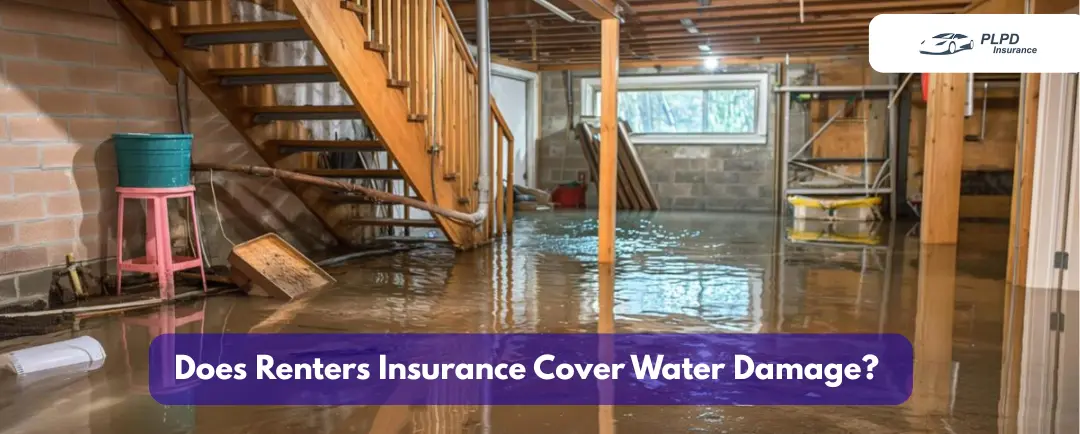
Whether it’s a minor water leak or a burst pipe, uncontrolled water flow in your rental unit can severely damage your personal belongings and even lead to mold infestation. In fact, water damage is among the most common and expensive claims for renters.
According to the Insurance Information Institute (III), about 22% of all renters insurance claims are due to water damage. Does that mean renters insurance covers water damage?
Renters insurance covers certain types of water damage, which typically depends on the source of the damage. If the water damage is due to covered perils like a burst pipe, damaged ceiling from a storm, overflowing toilet, or leakage from appliances like a washing machine or AC, your renters insurance may cover the damage.
However, if the water damage is caused by excluded perils like a flood, sewer water overflow, or earthquake-related damage, it won’t be covered by a standard renters insurance policy.
Understanding when renters insurance covers water damage can help you better protect your personal belongings, pay for temporary living expenses if your rental becomes uninhabitable, and handle potential liability claims.
When Does Renters Insurance Cover Water Damage?
The standard renters insurance may cover water damage, depending on how it occurred. Simply put, if the water damage results from a covered peril, your renters insurance policy may pay for the repair or replacement of your personal belongings.
If you’re shopping for renters insurance or planning to file a claim for water damage, review your policy terms or contact your insurance provider to understand when coverage applies.
Here’s a detailed breakdown of the causes when renters insurance covers water damage.
Water Leak from Appliance
If there’s water leaking from any household appliance, such as a washing machine or dishwasher hose, your renters insurance policy may cover the resulting damage to your personal belongings.
Burst Water Pipe
A burst water pipe can rapidly spray water and severely damage your furniture, electronics, appliances, and other personal belongings. Additionally, it can even make your rented home temporarily unlivable and cause water to spread to neighboring units.
If a burst pipe leads to property damage, liability claims, or temporary relocation expenses, your renters insurance policy may cover these costs up to your policy limits.
Accidental Discharge of Water or Steam from HVAC System or Fire Sprinklers
If there’s an accidental water discharge or steam from your HVAC system, it can lead to mold buildup and even damage wooden furniture and various household appliances. Just like your HVAC system, fire sprinklers can malfunction, causing uncontrolled water flow, resulting in similar damage.
In the process, if any of your personal belongings at your home or storage unit gets damaged, your renters insurance policy may cover the damages up to your policy’s coverage limits.
Rainwater Entering Through Storm Damage
A severe windstorm can break the windows and even damage your ceiling, which can cause rainwater to enter your home. Even small openings caused by storm damage can lead to significant rainwater intrusion, which may destroy important documents and damage furniture, household appliances, and other personal belongings.
Since windstorms are typically covered perils, renters insurance may cover the loss of your personal belongings if rainwater enters your home through storm-related damage to the roof, windows, or walls.
Frozen Pipes
During extremely cold winter temperatures, water inside your plumbing system can freeze and expand inside the pipes. This pressure can cause the pipes to crack or burst, allowing water to leak into your rental unit and damage furniture, electronics, appliances, and other personal belongings.
Power outages during winter storms can also increase the risk of frozen pipes. When the heating system stops working, the temperature inside your home can drop significantly, causing water in the pipes to freeze.
When the power is restored, the frozen water inside the pipe can instantly start thawing; however the pressure can force the pipes to burst and the excess water spillover can damage your personal belongings.
If any of your personal belongings get damaged due to a frozen pipe disaster, your renters insurance policy may cover the repair or replacement costs of your personal belongings up to your policy limits.
Toilet Overflow
If your toilet accidentally gets clogged or your flush malfunctions and continues to spill water into the bowl, it can cause the toilet water to overflow. When this happens, the excess water can spread across your bathroom floor and seep into nearby areas, damaging items such as rugs, cabinets, electronics, and other personal belongings.
If the overflow occurs suddenly and results in water damage to your belongings, your renters insurance policy may cover the repair or replacement costs up to your policy’s coverage limits.
Your Home Becomes Temporarily Unlivable
Severe water damage can sometimes make your rental home or apartment unsafe to live in while repairs are being completed. For example, extensive damage from a burst pipe, overflowing appliance, or another covered water-related incident may require you to temporarily relocate until your rental unit is restored.
If this happens due to a covered peril, your renters insurance policy may provide financial assistance through loss of use coverage, which can help pay for eligible temporary living expenses while your rental is being repaired.
Water Damage Caused by a Covered Peril
Your renters insurance policy will cover any water damage as long as it’s caused by a covered peril. For example, incidents like an accidental fire, theft, or vandalism can sometimes lead to water damage inside your home.
If such events cause water to leak or spread inside your rental unit and damage your personal belongings, your renters insurance policy may cover the resulting loss up to your policy’s coverage limits, as these are covered perils under the standard renters insurance policy.
Learn More: What is Renters Insurance and What Does it Cover?
What Does Renters Insurance Cover After Water Damage?
If water damage results from a covered peril, your renters insurance policy may provide more than just reimbursement for damaged belongings. Depending on your policy, different types of coverage may help reduce the financial impact of a covered water damage claim. The table below provides a quick overview before we explain each coverage in more detail.
| Coverage Type |
What It Covers |
Example |
| Personal Property |
Repairs or replaces damaged belongings. |
Furniture damaged by a burst pipe |
| Additional Living Expenses (Loss of Use) |
Pays for temporary living costs if your rental is uninhabitable. |
Hotel stay while your apartment is repaired |
| Personal Liability |
Covers damage you accidentally cause to someone else's property. |
Water from your apartment damages a neighbor's ceiling |
Here's a closer look at what each type of coverage includes and how it may help after a covered water damage claim.
Personal Property Coverage
Personal property coverage helps pay to repair or replace your belongings if they're damaged by a covered water-related event.
This may include items such as:
- Furniture
- Clothing and shoes
- Electronics
- Mattresses
- Rugs
- Small kitchen appliances
- Books and other personal items
The amount your insurer pays depends on your policy limits, deductible, and whether your policy provides actual cash value (ACV) or replacement cost coverage. While replacement cost coverage reimburses you for the cost of buying a similar new item, actual cash value takes depreciation into account before paying your claim.
Additional Living Expenses (Loss of Use)
If a covered water damage incident makes your rental home or apartment temporarily uninhabitable, your renters insurance may help pay for additional living expenses through loss of use coverage, also known as additional living expenses (ALE).
Depending on your policy, this coverage may help pay for:
- Hotel accommodations
- Temporary rental housing
- Restaurant meals
- Laundry expenses
- Other reasonable living costs that exceed your normal expenses while repairs are being completed
Coverage limits and eligible expenses vary by insurer, so it's important to review your renters insurance policy to understand what's included.
Personal Liability Coverage
Water damage doesn't always affect only your own rental unit. If water from your apartment accidentally spreads into a neighboring unit and damages someone else's property, your renters insurance may help through personal liability coverage.
For example, if a burst washing machine hose or overflowing bathtub in your apartment damages your neighbor's ceiling, walls, or personal belongings, your liability coverage may help pay for covered repair costs, legal expenses, or settlements if you're found legally responsible.
However, liability coverage generally won't apply if the damage resulted from intentional acts or ongoing negligence. Reporting leaks promptly and maintaining your rental unit can help reduce the risk of liability claims.
When Does Renters Insurance Not Cover Water Damage?
Renters insurance coverage for water damage depends largely on what caused the damage. In most cases, your renters insurance policy will only cover damage to your personal belongings when it results from a covered peril.
However, certain types of water damage are caused by events that are excluded from a standard renters insurance policy. Let’s explore these exclusions to help you understand the situations where renters insurance does not cover water damage.
Flood
Flood damage is typically not covered under a standard renters insurance policy. Flooding can occur due to heavy rainfall, overflowing rivers, storm surges, or rapid snowmelt, and the resulting water damage to your personal belongings is usually excluded from renters insurance coverage.
If you live in an area that is prone to flooding, you may consider purchasing a separate flood insurance policy through the National Flood Insurance Program (NFIP). This program offers flood insurance policies that can help cover damage to your personal belongings caused by flooding, providing an extra layer of financial protection that renters insurance does not include.
Earthquake
Water damage caused by an earthquake is typically not covered under a standard renters insurance policy. Earthquakes can damage plumbing lines, water heaters, and other parts of the building’s infrastructure, which may lead to water leaks that damage your personal belongings.
If you live in an area prone to seismic activity, you may need to purchase a separate earthquake insurance policy or add an earthquake endorsement to your renters insurance policy to protect your belongings from earthquake-related damage.
Sewer Water Overflow
Sewer water can back up into your rental unit due to clogged municipal sewer lines, heavy rainfall, or drainage system failures, which can damage furniture, rugs, electronics, and other personal belongings. If your personal belongings get submerged and damaged by overflowing sewer water, the standard renters insurance policy won’t cover the loss.
However, some insurers offer a sewer backup endorsement that can be added to your renters insurance policy for an additional premium. This optional coverage may help pay for the repair or replacement of your personal belongings if they are damaged due to sewer water overflow.
Long-Term Water Damage Due to Negligence
If your furniture, carpet, household appliances, and other personal belongings get damaged due to long-term water leakage that hasn’t been addressed, your renters insurance policy won’t cover any loss.
Typically, allowing any water damage to persist is a maintenance-related issue. Moreover, if it's found that you haven’t reported the issue to your landlord or haven’t taken any steps to fix the leakage, it can be considered negligence on your end, which is another reason that your claim can get denied.
Sump Pump Failure
A sump pump helps remove excess water from basements or other low-lying areas of a building. If it fails because of a mechanical issue, power outage, or excessive water buildup, water can enter your rental unit and damage furniture, electronics, rugs, and other personal belongings.
Damage caused by sump pump failure typically isn't covered under a standard renters insurance policy. However, some insurers offer optional endorsements that may provide coverage for these situations.
Should You Consider Additional Water Damage Coverage?
A standard renters insurance policy covers many sudden and accidental water damage incidents, but it doesn't protect against every water-related risk. Depending on where you live and the type of rental property you occupy, you may want to consider optional coverage that provides additional financial protection against excluded water damage events. Flood Insurance
Standard renters insurance doesn't cover flood damage caused by rising water from heavy rainfall, overflowing rivers, storm surges, or flash floods. If you live in a flood-prone area, purchasing a separate flood insurance policy can help protect your personal belongings from these types of losses.
Many renters obtain flood insurance through the National Flood Insurance Program (NFIP), although some private insurers also offer flood insurance policies. Unlike renters insurance, flood insurance specifically covers damage caused by flooding, helping pay to repair or replace covered personal property after a flood.
Sewer Backup Endorsement
Water backing up through drains, toilets, or sewer lines is typically excluded from a standard renters insurance policy. However, many insurance companies offer a sewer backup endorsement that can be added for an additional premium.
This optional coverage may help pay to repair or replace your personal belongings if they're damaged by water from a sewer or drain backup. It's especially worth considering if your rental property has experienced drainage issues in the past or is located in an area where sewer backups are more common.
Sump Pump Overflow Coverage
If your rental unit has a basement or relies on a sump pump to prevent water accumulation, you may also want to consider sump pump overflow coverage. Standard renters insurance generally doesn't cover damage caused when a sump pump fails due to mechanical problems, power outages, or overwhelming amounts of water.
Adding this endorsement may help cover damage to your personal belongings if water enters your rental because the sump pump stops working. Since coverage options vary by insurer, review your policy carefully or speak with your insurance agent to determine whether this endorsement is available and appropriate for your situation.
How to Prevent Water Damage in Your Rental Home
While renters insurance can help cover many unexpected water damage incidents, preventing water damage whenever possible can save you the hassle of filing a claim and protect your belongings from unnecessary loss. Taking a few simple precautions can also reduce the risk of expensive repairs and potential liability issues.
Check faucets, exposed pipes, and appliance hoses for signs of leaks, cracks, or corrosion. Washing machines, dishwashers, refrigerators with water lines, and water heaters are common sources of unexpected leaks. If you notice any issues, report them to your landlord or property manager as soon as possible.
Report Leaks Promptly
Even a small leak can lead to significant water damage if left unattended. Water can seep into flooring, walls, and furniture, creating conditions for mold growth and additional property damage. Promptly notifying your landlord of plumbing issues may also help prevent disputes over responsibility if damage worsens over time.
Protect Valuable Belongings
Store important documents, electronics, and other valuable items away from areas that are more susceptible to water damage. Whenever possible, keep belongings off the floor in basements or lower-level rooms and use waterproof storage containers for important records.
Understand Your Lease Responsibilities
Review your lease agreement to understand your responsibilities for reporting maintenance issues and preventing property damage. Some leases require tenants to notify landlords immediately after discovering leaks or plumbing problems. Failing to do so could affect your liability if the damage becomes more severe.
Consider Water Leak Detection Devices
Water leak detectors can provide an early warning when moisture is detected near appliances, sinks, water heaters, or other plumbing fixtures. These inexpensive devices can alert you before a small leak becomes a major water damage incident, allowing you to take action quickly and minimize potential losses.
Does Renters Insurance Cover Water Damage to Others?
Yes, renters insurance may cover water damage to others through the personal liability coverage. If a water leak from your rental unit spreads to your neighbor’s apartment and damages their belongings or causes an injury, your renters insurance policy may help pay for the repair or replacement costs as well as medical expenses.
Similarly, if a guest or visitor experiences property damage or injury due to water issues originating from your rental unit, your liability coverage may help cover those expenses up to your policy’s limits.
Will Renters Insurance Cover Walls, Paintings, and Other Building Structures Due to Water Damage?
No, renters insurance does not cover walls, painting, or any structural damage in your rental unit, as it’s your landlord’s responsibility to fix these issues with the landlord’s insurance or at their own expense.
However, if the water damage occurred due to negligence on your part, such as failing to report a leak or allowing the problem to persist, you could be held responsible for the damage. In such cases, you may have to compensate for the repairs out of pocket, depending on the circumstances and your policy coverage.
How to File a Renters Insurance Claim for Water Damage?
If your personal belongings were damaged, and if your rental unit becomes unlivable due to severe water leakage, you should promptly claim renters insurance to cover the loss.
When filing a claim for water damage, it is important to provide proper documentation showing that the incident occurred due to a covered peril. Here’s a step-by-step guide to help you file a renters insurance claim if you experience any loss due to water damage.
- Document the damage: Take photos and videos of the water damage to your personal belongings and the affected areas in your rental unit.
- Stop further damage: If possible, shut off the water source or take temporary steps to prevent the damage from worsening.
- Notify your insurer: Contact your renters insurance provider as soon as possible to report the incident and begin the claims process.
- Provide necessary documentation: Submit details such as photos, receipts, and a list of damaged items to support your claim.
- Work with the claims adjuster: Your insurer may send an adjuster to inspect the damage and determine the claim payout based on your policy coverage limits.
- Receive claim payment: Once your claim is approved, your insurer will issue the payment to cover the repair or replacement of your damaged belongings according to your policy terms.
The Bottom Line: Should You Consider Renters Insurance for Water Damage?
An accidental water leakage in your home or storage unit can significantly damage your furniture, carpet, electronics, household appliances, and various other personal belongings.
Even a few drops of water can destroy your TV, refrigerator, microwave, toaster, and it can even spoil your sofa. On the other hand, if someone visits your home and accidentally slips and gets injured, you may be held liable to cover their medical expenses.
Additionally, if there’s a severe leakage in your rented apartment, it can seep into neighboring units, and if they suffer any loss, you may have to compensate them as well.
Without renters insurance, you may have to pay all these expenses out of pocket. So, yes, you should consider having renters insurance as it can provide financial protection against many unexpected perils that cause water damage and help you avoid significant financial loss.
If you need help getting a personalized renters insurance policy to cover water damage with endorsement options at an affordable rate, you should contact us to get expert advice and a free quote.
Frequently Asked Questions (FAQs)
What type of water damage does renters insurance cover?
Renters insurance typically covers water damage that occurs due to sudden and accidental incidents, such as burst pipes, leaking appliances, overflowing toilets, or rainwater entering through storm damage. However, the damage must result from a covered peril listed in your policy. Water damage caused by floods, sewer backups, or long-term leaks is usually not covered under a standard renters insurance policy.
How long after water damage can you claim on insurance?
You should report water damage to your renters insurance provider as soon as possible after the incident occurs. While the exact timeframe may vary depending on the insurer and policy terms, delaying the claim could affect your chances of receiving coverage. It’s best to document the damage and notify your insurer promptly to start the claims process.
Does renters insurance cover water damage from a leaking ceiling?
Renters insurance may cover damage to your personal belongings if water leaks through the ceiling due to a covered peril, such as storm damage or a burst pipe in an upper unit. However, the repair of the ceiling itself is usually the landlord’s responsibility.
Does renters insurance cover water damage to clothing?
Yes, renters insurance may cover damage to clothing if it results from a covered peril such as a burst pipe, appliance leak, or accidental discharge of water. The claim payout will typically depend on your policy limits and deductible.
Does renters insurance cover water damage to a mattress?
Yes, renters insurance may cover damage to a mattress if the water damage results from a covered event like a pipe burst, appliance leak, or sprinkler discharge. The coverage will apply to the cost of repairing or replacing the damaged item.
Recent Posts

How Does Car Insurance Work After a Hit-and-Run in Michigan?

Are Older Cars Cheaper to Insure?

How to File a Renters Insurance Claim?
Categories
Life Insurance

Auto insurance
Insurance
Motorcycle Insurance
Renters Insurance
Homeowners Insurance
RV Insurance
Boat Insurance
Snowmobile Insurance
Follow Us