

 Back
BackDoes Renters Insurance Cover Appliances?
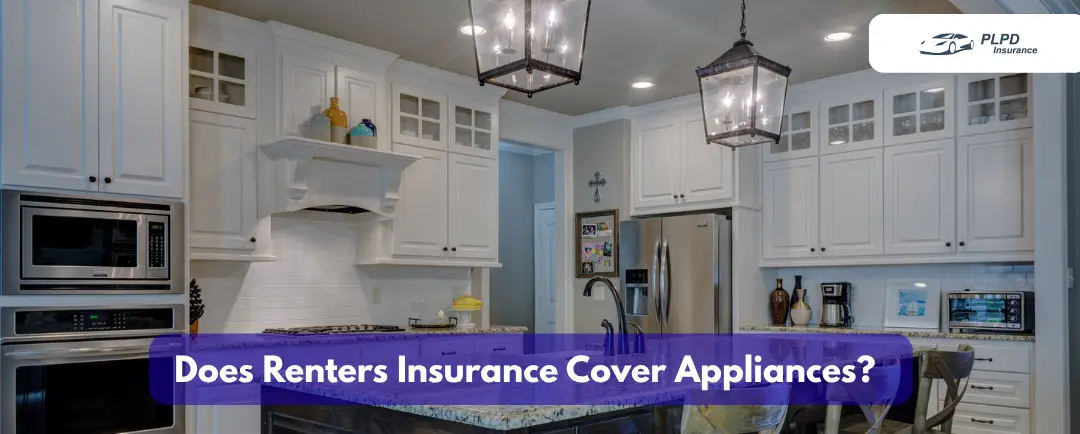
If your TV, refrigerator, air conditioner, and other household appliances get damaged or burned in an accidental fire, or if your microwave gets stolen, does renters insurance help?
Yes, renters insurance does cover household appliances as long as you own them, and the damage is caused by fire, theft, leaky pipes, and other covered perils outlined in your policy. However, it won’t cover gradual wear and tear damage or sudden mechanical failure.
If you’re considering purchasing renters insurance to secure your appliances, or you’re thinking of filing a claim, it is important to understand when renters insurance covers household appliances and when it doesn’t.
What Appliances Do Renters Insurance Cover?
Renters insurance covers appliances you own under your personal property coverage, as long as they are damaged or lost due to a covered peril. If the appliances are in your home, you may get coverage for a higher sublimit compared to off-premises coverage if your appliances are kept in a storage unit or another building.
Here are some of the common appliances covered by renters insurance.
- Refrigerators
- Microwaves
- Dishwashers
- Televisions
- Toasters and Sandwich Makers
- Computers, Laptops, and Other Electronic Gadgets
- Gaming Consoles
- Air Conditioners and Space Heaters
- Coffee Makers and Espresso Machines
- Washing Machines and Dryers
- Blenders, Mixers, and Cookers
Typically, your renters insurance policy will cover your appliances up to the coverage limits of your personal property coverage. If you need coverage for any expensive appliance, like a high-end computer or TV, you should explore endorsements to extend coverage limits for those particular appliances.
If you want to ensure adequate coverage for your appliances, your choice of insurer here plays a crucial role, as some insurers offer extensive coverage options with add-ons and endorsements, while others mainly offer the standard renters insurance coverage.
When Does Renters Insurance Cover Household Appliances?
Renters insurance specifically covers household appliances when it’s due to a covered peril that’s listed in your policy. Household appliances fall under the personal property portion of your renters insurance policy.
Most standard policies reimburse losses at actual cash value (ACV), meaning the insurer pays the depreciated value of the appliance after your deductible is applied and up to your coverage limits.
In a nutshell, renters insurance covers household appliances, particularly when:
- You own the household appliances
- The appliance is covered under your policy’s personal property coverage
- The damage or loss of your appliances is due to a covered peril
Standard renters insurance policies typically include 16 named perils, and if your household appliances are damaged due to any of the covered perils listed below, your policy may help cover the loss.
- Fire
- Smoke damage
- Lightning
- Windstorm damage (such as hurricanes, tornadoes, or cyclones)
- Explosion
- Falling objects
- Theft
- Vandalism or malicious mischief
- Riots or civil commotion
- Damage caused by aircraft
- Damage caused by vehicles
- Weight of ice, snow, or sleet
- Accidental discharge or overflow of water or steam (such as from plumbing, heating, or air conditioning systems)
- Sudden tearing, cracking, burning, or bulging of a heating or hot water system
- Freezing of plumbing, heating, air conditioning, or household appliances
- Sudden and accidental damage from artificially generated electrical current (such as a power surge, and outage)
When Does Renters Insurance Not Cover Your Appliances?
Renters insurance will not cover your appliances if the damage or loss is caused by an excluded event or something that isn’t listed as a covered peril in your policy. Some of the most common situations where renters insurance does not cover appliances include the following.
- Normal wear and tear due to aging
- Mechanical or electrical breakdown of the appliance
- Poor maintenance or neglect
- Manufacturer defects or product recalls
- Damage caused by pests, insects, or rodents
- Intentional damage caused by the policyholder
- Flood damage (unless you have separate flood insurance)
- Earthquake damage (unless additional earthquake coverage is purchased)
- War or nuclear hazards
Does Renters Insurance Cover Landlord-Owned Appliances?
No, renters insurance does not cover landlord-owned appliances because they are specifically your landlord’s responsibility, not yours. However, if you’re responsible for any accidental damage that has damaged your landlord’s appliance, then the liability coverage of your renters insurance policy may cover the repair or replacement costs.
For example, the HVAC (heating, ventilation, and air conditioning) system of your rental unit is usually provided by the landlord. Now, if the HVAC system malfunctions or gets damaged even due to a covered peril such as an accidental fire or a storm, your landlord’s insurance policy should cover the damages.
If your landlord does not have adequate landlord insurance coverage, then they will have to pay the remaining costs out of pocket. But if you’re responsible for damaging their appliance, like a common refrigerator or washing machine, then you will be held liable to cover the loss.
In such situations, the liability portion of your renters insurance policy may cover the damage up to your policy’s liability limits, depending on the circumstances of the incident.
Does Renters Insurance Cover Roommate, Guest, or Neighbor’s Appliance Damage?
Just like the liability coverage of your renters insurance policy may cover your landlord, it can also cover your roommate, guest, or neighbor’s appliance damage. Let’s explore situations when renters insurance protects you from liability costs when someone files a claim, where you’re responsible for the appliance damage.
Roommate
Renters insurance generally does not cover your roommate’s personal belongings, including their appliances, because each tenant is expected to have their own renters insurance policy. However, if you accidentally damage your roommate’s appliance, your liability coverage may help pay for the repair or replacement costs.
For example, if you accidentally spill water on your roommate’s laptop or gaming console and damage it, your renters insurance liability coverage may help cover the cost of repairing or replacing the device.
Guest
If a guest brings an appliance or electronic device into your home and you accidentally damage it, your renters insurance liability coverage may help cover the loss. This coverage applies when you are responsible for damaging someone else’s property.
For example, if your friend brings a portable projector to your apartment and it gets damaged after you accidentally knock it off a table, your renters insurance liability coverage may help pay for the damage.
Neighbor
Renters insurance liability coverage may also apply if you accidentally damage your neighbor’s appliance. This can happen when an incident in your apartment causes damage to your neighbor’s property.
For example, if an accidental fire starts in your kitchen and spreads to your neighbor’s apartment, damaging their refrigerator, TV, washing machine, etc., your renters insurance liability coverage may help pay for the repair or replacement costs of the damaged appliances, up to your policy limits.
How Much Coverage Can You Get for Your Appliances with Renters Insurance?
The amount of coverage you receive for appliance damage or loss depends on the personal property coverage limit in your renters insurance policy. Appliances are considered personal belongings, so they are covered under the same overall coverage limit rather than having separate limits for each appliance.
For example, suppose you have $30,000 in personal property coverage, and your TV, laptop, and washing machine are damaged in an accidental fire in your rental unit. Your renters insurance policy may help pay for the repair or replacement costs of these appliances, up to your coverage limit and after your deductible is applied.
However, most standard renters insurance policies reimburse losses at actual cash value (ACV). This means the insurer pays the depreciated value of the damaged appliances rather than the full cost of buying brand-new replacements, unless you have special endorsements like replacement cost coverage, and equipment breakdown coverage.
Should You Consider Renters Insurance Add-Ons or Endorsements for Enhanced Protection for Appliances?
If you have expensive appliances at home or your storage unit, which has a significantly higher replacement value compared to the limits on your renters insurance policy, then it's important to consider add-ons or endorsements for adequate protection.
Here are three renters insurance add-ons/endorsements that you may consider exploring to get enhanced coverage to secure your household appliances.
For example, if you own a high-end gaming computer or a premium home theater system worth $5,000, your standard renters insurance policy may not fully cover its replacement cost.
By scheduling that item through a scheduled personal property endorsement, you can insure it individually for its full value, ensuring you receive adequate compensation if it gets damaged or stolen.
Equipment Breakdown Coverage
Electronic appliances can suddenly stop working due to mechanical or electrical failure, such as a motor burnout or a power surge that damages internal components. Standard renters insurance policies typically do not cover these types of breakdowns.
However, equipment breakdown coverage is an optional add-on that helps cover the repair or replacement costs if a household appliance suddenly malfunctions due to mechanical or electrical failure.
For example, if a sudden power surge damages the internal circuitry of your refrigerator or washing machine, equipment breakdown coverage may help pay for the repair or replacement costs.
Water Backup/Sump Backup Coverage
Water backup or sump backup coverage is an optional endorsement that protects your belongings if water backs up through drains, sewers, or sump pumps and damages your appliances. Standard renters insurance policies usually do not cover damage caused by sewer or drain backups.
This add-on can help cover the repair or replacement costs of appliances and other personal belongings damaged by sudden water backup incidents.
For example, if a clogged drain or failed sump pump causes water to back up into your apartment and damages your washing machine, refrigerator, or other appliances, water backup coverage may help pay for the repair or replacement costs, up to the coverage limits of the endorsement.
How to File a Renters Insurance Claim for Appliances?
If any of your appliances gets stolen or damaged due to a covered peril, you need to file a renters insurance claim to cover the loss. Filing a renters insurance claim properly and promptly can help ensure you receive compensation for damaged or stolen appliances without unnecessary delays.
Here’s a step-by-step guide to file renters insurance for your appliances.
- Document the Damage Immediately: Take clear photos or videos of the damaged appliance and the surrounding area. Proper documentation helps prove the extent of the damage when you file your claim.
- Prevent Further Damage: Take reasonable steps to stop additional damage. For example, turn off the water supply if a leaking appliance caused the damage or unplug electrical devices if a power surge occurred.
- Review Your Insurance Policy: Check your renters insurance policy to confirm that the damage was caused by a covered peril and that the appliance falls under your personal property coverage.
- Contact Your Insurer: Notify your insurer as soon as possible. Most insurers allow you to file a claim through their website, mobile app, or customer support line.
- Submit Required Documentation: Provide your insurer with the necessary information, such as photos or videos of the damage, purchase receipts or proof of appliance ownership, model and serial numbers (if available), and a detailed description of how the incident occurred.
- Work With the Insurance Adjuster: Your insurer may assign an adjuster to inspect the damage or request additional details about the incident before approving the claim.
- Receive Your Claim Payment: If your claim is approved, the insurer will issue a payout based on your policy terms, after the deductible is applied and up to your coverage limits.
The Bottom Line: Is Renters Insurance Worth it for Appliances?
Household appliances are vulnerable to several perils that are covered by the standard renters insurance. Just take a moment and ask yourself if your appliances get damaged or destroyed due to an accidental fire, pipe leakage, or if they get stolen, would you be able to cover the damages out of pocket?
If the answer’s no, wouldn’t it be helpful to have a renters insurance policy to cover the loss? On the other hand, even if you can, it can be financially overwhelming to cover repair or replacement costs of your household appliances, especially if you need to cover multiple appliances, or ones that are expensive.
Typically, renters insurance offers valuable protection for household appliances against theft, certain natural disasters, and accidental damage. Additionally, if you’re liable for damaging someone else’s appliance, the liability coverage can protect you against liability claims and lawsuits.
Simply put, renters insurance can be a worthwhile investment for protecting your appliances and reducing unexpected financial risks, which makes it a reliable financial safety net to secure your appliances.
If you’re considering getting renters insurance, you can contact us to help you acquire the right coverage that adequately covers your appliances based on your needs and budget.
Frequently Asked Questions (FAQs)
Will renters insurance cover broken appliances?
It depends on how the appliance broke. If it stops working because of a covered peril—like a fire, theft, or certain types of accidental damage, renters insurance may help cover the repair or replacement costs.
But if the appliance breaks down due to age, internal malfunction, or regular wear and tear, a standard renters insurance policy typically won’t cover the loss, unless you have a scheduled personal property endorsement or equipment breakdown coverage.
Does renters insurance cover a broken refrigerator?
Renters insurance may cover a broken refrigerator if the damage is caused by a covered peril, such as a fire, theft, or certain types of water damage. However, it typically does not cover mechanical breakdowns, wear and tear, or age-related malfunctions unless you have additional coverage like equipment breakdown protection.
Will renters insurance cover a washing machine?
Yes, renters insurance can help pay for the repair or replacement of a washing machine if it is damaged by a covered event, such as a fire, theft, or vandalism. However, problems caused by aging, mechanical failure, or poor maintenance are generally not covered under a standard policy.
Does renters insurance cover appliances in a storage unit?
Yes, renters insurance may cover appliances stored in a storage unit if they are damaged or stolen due to a covered peril. However, off-premises coverage is often limited to 10% percentage of your total personal property coverage.
Does renters insurance cover appliances damaged by water leaks?
Yes, renters insurance may cover appliances damaged by sudden and accidental water leaks, such as from burst pipes or plumbing failures. However, damage caused by flooding or poor maintenance is typically excluded.
Are built-in appliances covered by renters insurance?
Usually, built-in appliances like ovens, dishwashers, or HVAC systems belong to the landlord and are covered under the landlord’s insurance policy. Renters insurance typically only covers appliances that you own.
Does renters insurance replace appliances with new ones?
Most standard renters insurance policies reimburse losses at actual cash value (ACV), which accounts for depreciation. If you want coverage for the full cost of a new appliance, you may need replacement cost coverage.
Does renters insurance cover appliance damage caused by roommates?
If your roommate accidentally damages your appliance, their renters insurance liability coverage may help cover the loss. However, your own renters insurance usually does not cover your roommate’s belongings unless they are listed on your policy, or you’re at-fault for the accident, which is covered through liability coverage.
Recent Posts

Does Renters Insurance Cover Bike Theft?
Does Renters Insurance Cover Vandalism?
Does Renters Insurance Cover Temporary Housing?
Categories
Life Insurance

Auto insurance
Insurance
Motorcycle Insurance
Renters Insurance
Homeowners Insurance
RV Insurance
Boat Insurance
Snowmobile Insurance
Follow Us