


 Back
BackDoes Renters Insurance Cover Fire?
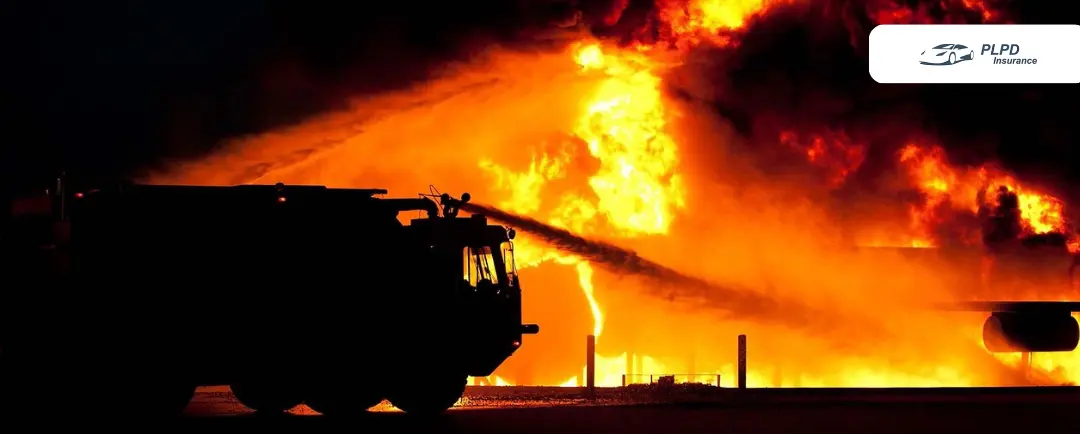
Yes, renters insurance does cover an accidental fire, especially as it’s among the named perils that are covered by a standard renters insurance policy. Typically, renters' insurance covers fire damage for your personal belongings and liability costs. It also provides additional living expense coverage when your rented home is uninhabitable after it is burned down by a fire.
The scariest thing about fire accidents is, it's very uncertain, and it can happen at any moment, which makes it extra necessary to have renters' insurance. It's alarming how common residential fires are in the U.S. In 2024, an estimated 351,000 residential structure fires caused about $11.7 billion in direct property damage.
Compared to any other named peril, accidental fire damage is covered by renters' insurance for most cases, unless you have intentionally caused the fire, or it has stemmed from an illegal activity that you were involved in. Apart from that, there are certain conditions where renters’ insurance coverage may not apply to accidental fire damage.
Now that it’s established that renters insurance covers accidental fire, it's even more essential to know when renters insurance covers fire damage, and when it doesn’t. This article provides a detailed breakdown to help you learn everything you need to know about renters insurance and accidental fire coverage.
What Fire Damage Does Renters Insurance Cover?
If there’s an accidental fire in your rented apartment, it can destroy your belongings, lead to liability claims, and even force you to live elsewhere temporarily. Renters’ insurance financially protects you from these losses, which makes it important to understand exactly what types of fire damage it covers.
Pro Tip: It’s ideal to refer to a reliable insurance agency in your state if you need help finding the best renters’ insurance coverage for fire damage and other covered perils. For instance, if you’re located in Michigan, you should explore a trusted Michigan Insurance Agency that offers an affordable renters insurance policy with extensive coverage options.
Personal Belongings Damaged by Fire
One of the main components of a renters’ insurance policy is the personal property coverage. When your personal belongings get damaged or destroyed due to an accidental fire, the personal property coverage of your renters insurance will pay the repair and replacement costs up to your coverage limits.
For example, if your belongings are worth $30,000 and you have at least $30,000 in personal property coverage, your claim may be fully covered. However, your reimbursement depends on the type of coverage you selected:
- Replacement cost coverage pays the brand-new price of your damaged belongings.
- Actual cash value coverage deducts depreciation, so you receive a payout based on the current market value.
To ensure a smooth claim, it’s smart to keep a home inventory and receipts that prove ownership and value.
Liability for Injuries or Property Damage to Others
In case of an accidental fire in your rented home, a guest or another person could get burned or injured. In this case, your renters insurance may help cover eligible medical expenses or liability costs, depending on the circumstances and your policy's coverage.
Moreover, if the fire damages their personal belongings, whether it’s inside your rental property or anywhere within the building premises, your liability coverage will pay the repair/replacement expenses.
The amount of liability coverage you need depends on your circumstances and the limits available under your policy. Your policy's liability limit determines how much coverage may be available for covered claims.
Additional Living Expenses (ALE) if Your Home Becomes Unlivable
If your rented home catches fire, there’s a high chance that it will no longer be inhabitable until it’s repaired and renovated. So, in the meantime, you will have to stay somewhere else.
If you have additional living expense coverage, your renters insurance may reimburse eligible additional expenses when a covered fire makes your home uninhabitable. These may include hotel stays, temporary housing, and meals, subject to your policy's limits and terms.
On the other hand, if your rented home is completely destroyed or takes a long time to repair, then the ALE coverage will cover the initial rental cost of your new rented home.
Smoke Damage Coverage
Smoke can sometimes cause more damage than the flames themselves. Luckily, smoke damage is typically covered under the personal property portion of renters insurance when the smoke comes from a covered fire.
This coverage can help pay to clean, repair, or replace items affected by smoke, such as your clothes, carpet, furniture, and electronics. Even if the fire started in another unit and smoke spread into your space, your belongings will still be protected by your renters insurance.
Note: Damage to the building itself (walls, ceilings, flooring) is usually covered by your landlord’s insurance, not your renters policy.
Does Renters Insurance Cover Fire if it Occurs Due to Another Peril?
Yes, renters insurance can still cover fire damage even when the fire is caused by another covered peril. For example, if a lightning strike or an electrical short circuit sparks a fire in your rental home, your policy can help pay for damaged belongings, liability costs, and additional living expenses.
Fire damage that results from vandalism caused by someone else is generally covered as well as long as you were not involved in the criminal act. The best thing about renters insurance is, it will cover accidental fire for any named peril as long as you didn’t start the fire intentionally.
When Does Renters Insurance Not Cover Fire?
While renters insurance covers fire damage in many scenarios, there are exceptions. Your insurer can deny a claim if the fire involves certain actions or circumstances that fall outside your policy. Here's an overview of the most common situations where renters insurance does not cover fire damage.
Intentional Fire
If you’ve intentionally set up the fire, and if there’s substantial evidence that you’ve actually done it, your claim will get denied, especially because you’ve clearly violated the terms and conditions of the renters insurance policy.
Plus, your insurance policy may even get cancelled by your insurer, and you will most likely be classified as a high-risk applicant with a policy lapse. This can make it harder to find coverage and may lead to significantly higher premiums later on.
Illegal Activities
If the cause of the fire is due to an illegal activity that you were involved in, your renters insurance claim will be denied with an immediate termination of your policy. Depending on the crime that you’ve committed, legal actions may proceed, and you will not get any coverage for the legal proceedings either.
Plus, you will even get profiled as a high-risk policyholder with a crime record in your insurance history, which will make it difficult and expensive to purchase renters insurance in the future.
Fire Damage to the Building Structure (Landlord’s Responsibility)
Typically, any structural damage to the building is your landlord’s responsibility. So, if a fire damages the building structure, your landlord is entitled to pay for the repairs and renovations either from their landlord’s insurance coverage or out of pocket. Now, if you are at fault for causing the fire, then the liability coverage of your renters insurance policy will pay for the damages.
But, if you were not responsible for the fire, and it makes its way to your unit, and damages the interior, walls, and other building structures, it is your landlord’s responsibility, not yours. In these cases, your renters insurance only covers your personal belongings and additional living expenses, not the building itself.
Car Damage Due to Fire
Remember, any damage to your car is specifically covered by auto insurance. So, if your car gets damaged by an accidental fire, it won’t be covered by your renters insurance policy.
Your car itself is not covered by renters insurance for fire damage. Fire damage to a vehicle is generally handled through the comprehensive coverage of an auto insurance policy. However, if any of your personal belongings get damaged due to the fire, your renters insurance will cover their repair/replacement costs up to 10% of your personal property coverage.
Gross Negligence
Negligence does not automatically mean a fire claim is excluded. Coverage depends on the circumstances of the loss and the exclusions in your policy. To be more specific, if you have avoided the responsibility of removing a hazardous item or fixing an issue that could lead to a fire regardless of being well aware, then it won’t be considered an accident, rather an act of negligence.
For example, if a fire results from a known hazard such as a gas leak, faulty wiring, or an overheating appliance, the insurer may investigate the circumstances and determine coverage based on the policy's terms and exclusions.
Fire Damage Before Coverage Starts
If there’s a fire at your rented home before your renters insurance policy gets activated, you will not be covered for any loss due to the fire damage. Even if you’ve paid for the renters insurance policy, and while processing your application, your personal belongings get damaged, unfortunately, you will not be covered.
So, that’s why it’s essential to ensure having an active renters insurance policy, and while purchasing renters insurance, make sure to confirm whether your policy is active or not.
You should receive an email confirmation from your insurer after your policy is activated. If you still haven’t received any confirmation email from your insurer, contact them to find out the exact date and time of policy activation.
What Happens if the Fire Spreads from Your Home to Another Unit or Building?
If the fire spreads from your rented home to your neighbor’s unit, the liability coverage of your renters insurance policy will cover their medical bills and the repair costs of their personal belongings, if you are found legally responsible for the fire.
Moreover, if it causes any structural damage to the building, your liability coverage will even compensate the building’s owners, once they claim insurance, up to your policy limits.
Do You Still Get Covered if the Fire Originated Outside Your Rented Space?
Yes, your renters insurance may cover your personal belongings if a covered fire originates outside your rented space and damages your belongings, subject to your policy's terms and limits.
In this case, there’s a high chance that someone else is responsible for the fire. So, when you claim insurance, the liability coverage of their homeowners/renters insurance coverage will pay your property damage and medical bills.
If no is at-fault, let’s say the fire started due to lighting strike or random accident, and as a result originated outside and later spreads into your rented home, in that case, your renters insurance coverage will reimburse your personal belongings, liability costs if someone else gets injured, and provide additional coverage if you need to relocate elsewhere.
Is Renters Insurance Necessary in Michigan for Fire Damage?
Residential fire accidents are quite common here in Michigan, which makes it essential to have an active renters insurance policy with adequate coverage. According to MFIS (Michigan Fire Inspector's Society), there have been a series of fatal residential fire accidents across Michigan in recent years, as follows.
- 112 fatal fires with 125 deaths in 2023
- 92 fatal fires with 96 deaths in 2024
- 22 fatal fires with 25 deaths as of March 2025
Another report by Michigan’s Licensing and Regulatory Affairs shows there were 14,509 residential fires in 2023 and 2024 throughout the state.
The common causes of the fire include cooking, heating, careless smoking, heating, and explosion. Based on the climate conditions in Michigan, it is highly prone to severe natural disasters, which can also lead to residential fire accidents at any time.
No matter how cautious you are, a single accident can lead to a deadly fire hazard. Even the data above shows that fire accidents do occur in Michigan every year. So, to keep your belongings and your finances secure, renters insurance is necessary in Michigan even though it is not legally required.
The Bottom Line: Should You Get Renters Insurance to Stay Protected from Fire Damage?
A single fire can destroy the belongings you’ve worked hard for, and recovering from that loss could cost thousands. Renters insurance gives you a reliable financial safety net, helping cover your belongings, liability claims, and even temporary housing if you ever face a fire.
If you don’t already have coverage, there’s no better time to protect yourself. And if you’re in Michigan and need help finding an affordable, reliable renters insurance policy, you can contact us anytime to get a free quote today.
Frequently Asked Questions (FAQs)
How does renters insurance work with a fire?
If a covered fire damages your rental, renters insurance can help pay to repair or replace your belongings, cover liability costs if someone else is injured or their property is damaged, and provide temporary living expenses if your home becomes uninhabitable. Your coverage applies up to the limits listed in your policy and only once the policy is active.
Will insurance pay out for fire?
Yes, renters insurance typically pays out for accidental fires that damage your belongings, cause liability issues, or make your home unlivable. However, coverage can be denied if the fire was intentional, involved illegal activity, or falls outside your policy’s terms.
What happens if a tenant causes fire?
If the fire’s accidental, you will get reimbursed by your renters insurance policy. However, if you have intentionally started the fire, then your claim will be denied, and your policy may get cancelled as well.
Why would insurance deny a fire claim?
A fire claim may be denied if the fire was set intentionally, caused by illegal activities, or resulted from gross negligence. Claims can also be rejected if the damage occurred before the policy was active, or if it involves property the policy doesn’t cover, such as the building structure or vehicles.
Recent Posts

Does Renters Insurance Cover Bike Theft?
Does Renters Insurance Cover Vandalism?
Does Renters Insurance Cover Temporary Housing?
Categories
Life Insurance

Auto insurance
Insurance
Motorcycle Insurance
Renters Insurance
Homeowners Insurance
RV Insurance
Boat Insurance
Snowmobile Insurance
Follow Us