


 Back
Does Car Insurance Cover Damage Caused by Rodents?
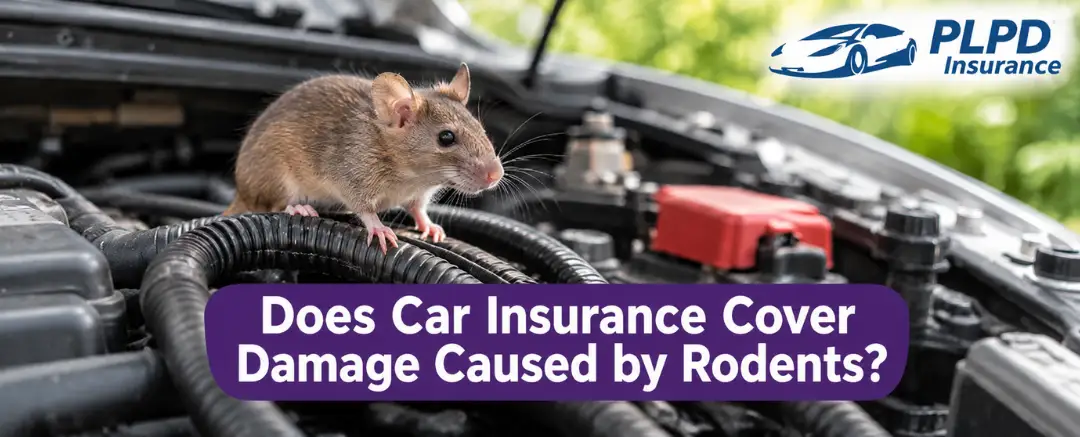
Yes, car insurance typically covers rodent damage if your policy includes comprehensive coverage. This protection may help pay for chewed wiring, damaged hoses, and other covered losses, minus your deductible. However, liability-only car insurance does not cover rodents damaging your own vehicle. Your policy terms and the cause of damage determine whether your insurer pays.
Discovering mice under your hood can turn an ordinary morning into an expensive problem. For example, a damaged wiring harness can leave your car unable to start. Meanwhile, hidden nesting materials can affect parts you cannot easily inspect yourself. Even a small animal can create a repair bill that deserves careful attention.
Before paying for repairs, check which coverage applies and what your deductible means for the bill. Also, avoid driving until you understand whether the damage affects safe operation. The right next step depends on both your policy and the vehicle’s condition. Read on for a straightforward explanation of coverage, exclusions, claims, and prevention.
Which Auto Insurance Coverage Applies to Rodent Damage?
Comprehensive coverage is the main protection to check when rodents damage your vehicle. According to the Insurance Information Institute, 80% of insured drivers purchased comprehensive coverage. That finding comes from its analysis of 2023 NAIC data. However, this national statistic measures coverage purchases, not the frequency of rodent damage.
Therefore, having an active insurance policy does not automatically mean you have animal damage coverage. Your declarations page identifies the coverages you purchased for each listed vehicle. Additionally, it shows the deductible associated with comprehensive protection. Check that page before assuming your policy includes this coverage.
Comprehensive Coverage for Rodent Damage
Does comprehensive car insurance cover rodent damage? Generally, yes, when the damage qualifies under your policy. Comprehensive coverage addresses covered non-collision damage, including many animal-related losses. However, it does not cover every problem that happens while your vehicle sits parked.
Comprehensive coverage often includes damage from squirrels and other rodents. This coverage is optional, although a lender or leasing company may require it. Therefore, owning your vehicle outright does not tell you whether you currently carry comprehensive protection. You must confirm your actual policy selections.
When reviewing auto insurance in Michigan, look beyond the monthly premium. For example, compare comprehensive deductibles and applicable exclusions alongside the price. Also, avoid relying on the phrase “full coverage” without checking its meaning. Your written policy determines your protection.
Why Liability and Collision Coverage Do Not Cover This Damage
Does liability insurance cover rodent damage? No, liability coverage does not pay for rodents damaging your own vehicle. Likewise, Michigan’s required no-fault coverages do not replace comprehensive protection against chewing or nesting damage. Therefore, a basic Michigan PLPD insurance policy without comprehensive coverage leaves this loss outside its protection.
Does collision insurance cover rodent damage? Collision coverage generally addresses damage from crashes involving another vehicle or object. However, rodents chewing wires or building nests cause a different type of loss. Consequently, collision coverage alone does not cover these repairs.
If you need help understanding these coverage differences, our PLPD Insurance agents can explain your options. We can help you review comprehensive coverage and deductibles based on your needs. Connect with our team in Flint, Saginaw, or Mt. Pleasant for guidance.
What Types of Rodent Damage May Insurance Cover?
Rodents can damage several vehicle systems during the same infestation. For example, chewing may affect electrical connections while nesting damages nearby insulation. Comprehensive coverage may address qualifying physical damage across these areas. However, discovering an animal inside your car does not automatically establish a covered loss.
Chewed Wiring, Cables, and Hoses
Does car insurance cover mice chewing wires? Comprehensive coverage may help pay for qualifying damage to wires, cables, and related components. Depending on the damage, repairs might involve individual connections or a damaged wiring harness. Additionally, chewed hoses can leak coolant or other fluids.
Does insurance cover rat damage to a car? Generally, comprehensive coverage provides relevant protection for covered rat damage to cars. Similarly, the answer to “Does car insurance cover squirrel damage?” depends on coverage and your policy terms. The animal’s identity alone does not determine whether the insurer pays.
Damaged Upholstery, Insulation, and Interior Trim
Rodents may tear seats, insulation, and interior trim while building nests. Comprehensive coverage may help with qualifying damage to those vehicle materials. However, coverage for damaged upholstery does not automatically establish coverage for every associated expense. Ask your insurer how it handles the specific work your shop recommends.
Replacing torn seats and upholstery differs from removing odors or cleaning contaminated surfaces. Therefore, ask whether your policy covers each proposed service. Also, distinguish built-in vehicle materials from loose belongings inside the car. Coverage for damaged trim does not automatically extend to clothing, bags, or other personal items.
Engine and Ventilation Damage From Nesting
Rodents may collect leaves, paper, and other nesting materials beneath the hood. These nests can cause blockages, odors, and fire risks. However, finding a nest does not automatically mean the engine needs replacement. Coverage depends on the resulting damage and applicable policy terms.
Air intake systems and filters also deserve attention after rodent activity. A mechanic can determine whether nesting materials have damaged or contaminated the filter. However, a recommended filter replacement does not automatically qualify for insurance coverage. Ask your insurer how the policy applies to the documented damage.
When Might Rodent Damage Not Be Covered?
Missing comprehensive coverage is one clear reason your insurer may not pay. Pre-existing damage can also fall outside your current protection. For example, adding coverage after discovering chewed wires does not insure that earlier loss. Your coverage effective date matters when the insurer reviews the claim.
Additionally, policy exclusions may affect maintenance-related damage or problems involving a known, unresolved rodent issue. However, the duration of an infestation alone does not establish whether coverage applies. The insurer must evaluate the damage against the applicable policy language. Therefore, an older nest does not automatically mean every related repair falls outside coverage.
If your insurer denies coverage, request the explanation and relevant policy provision in writing. Then, compare that explanation with the mechanic’s diagnosis and supporting photographs. Also, distinguish rodent damage from unrelated wear and tear on the estimate. Accurate details help you understand whether the dispute concerns coverage, causation, or repair scope. For more context, read our guide on whether car insurance covers repairs.
How Do Deductibles and Repair Costs Affect Your Claim Payment?
Your comprehensive deductible affects how much you pay toward covered repairs. For example, assume the insurer approves $1,500 in rodent-related repairs. With a $500 deductible, the potential insurance payment would equal $1,000. However, this illustration assumes no other applicable adjustments or limitations.
Illustrative covered repair cost | Comprehensive deductible | Potential insurance payment |
$350 | $500 | $0 |
$1,500 | $500 | $1,000 |
$3,000 | $1,000 | $2,000 |
If covered repairs fall below your deductible, you pay those costs yourself. However, a bill slightly above the deductible may produce only a small insurance payment. For example, $600 in approved repairs leaves $100 after a $500 deductible. Compare those figures while following your policy’s reporting requirements.
For extensive losses, the vehicle’s value also matters. Comprehensive coverage generally pays up to actual cash value, minus the deductible. Actual cash value reflects factors such as age, mileage, and condition. Consequently, extensive damage may lead to a total-loss evaluation rather than repairs.
What Should You Do If You Suspect Rodent Damage?
First, leave the vehicle off if you notice damaged wiring, leaks, smoke, or substantial nesting. Dashboard warning lights and starting problems can also justify a professional inspection. However, those symptoms alone do not establish the cause. Ask a mechanic whether the vehicle needs towing rather than testing it yourself.
Next, avoid disturbing rodent droppings or nesting materials unnecessarily. According to the CDC, you should disinfect contaminated materials before removal. Its vehicle guidance advises against vacuuming or pressure-spraying untreated rodent waste. Additionally, it recommends professional automotive assistance when needed.
If transportation becomes necessary, ask whether your policy includes applicable towing coverage. Confirm any service limits before arranging the tow when circumstances allow. Meanwhile, keep children and pets away from the affected area. These immediate steps address safety while you arrange the insurance and repair process.
How to File a Car Insurance Claim for Rodent Damage
Once you address immediate safety concerns, you can begin the insurance process. Reporting the damage starts a review rather than guaranteeing approval. Your insurer will evaluate coverage, the cause of loss, and the proposed repairs. The following steps explain how to move through that process.
Document the Damage and Contact Your Insurer
First, take photos of the damage from safe, accessible positions. Include close views of chew marks and wider images showing their location. Additionally, note the discovery date and when you last used the vehicle normally. If you cannot establish when the damage occurred, explain that uncertainty to your insurer.
Next, contact your insurer through its claims phone number, website, or app. Provide your policy number and a brief description of the issue. Then, ask whether the insurer needs an inspection before the shop removes damaged parts. Confirm which documents you should submit and how to send them.
Keep the claim number and adjuster’s contact information together. Also, save copies of submitted documents and written responses. Ask which expenses need advance approval. Organized records help you track decisions throughout the claim.
Obtain a Mechanic’s Diagnosis and Repair Estimate
Ask the repair shop for a written explanation of the damage. The diagnosis should identify affected components and evidence of rodent activity. Additionally, request an itemized estimate showing parts, labor, and diagnostic charges. This detail helps distinguish necessary repairs from unrelated work.
For example, “electrical problem” provides less information than a description of chewed wiring at a specific connector. Therefore, ask the shop to document its findings clearly. Photographs of concealed damage may also help explain replacement recommendations. Keep those images with the estimate.
Also, ask whether the estimate includes diagnostic testing and any necessary disassembly. A quoted repair price may exclude charges needed to locate concealed damage. Therefore, request a clear explanation of any additional inspection fees. Confirm what you would owe if the insurer does not cover those charges.
Coordinate the Inspection, Repairs, and Settlement
Before approving major work, confirm the insurer’s coverage decision and accepted repair scope. Also, ask how the shop will handle additional damage discovered during repairs. An initial estimate may not capture every affected component. Therefore, make sure the shop knows how to request further review.
Next, confirm who receives the insurance payout and how you will pay your share. Depending on the claim, payment may go to you or the repair shop. Additionally, ask whether the insurer needs your lender involved in the payment process. Do not assume every claim follows the same arrangement.
Finally, review the completed invoice against the authorized work. Keep the repair warranty and relevant receipts with your records. If something remains unresolved, explain the issue promptly to the shop and adjuster. This closes the claim with a clear record of the completed repairs.
How to Prevent Rodent Damage to Your Car
Rodent damage prevention starts with reducing food and shelter near your parking area. Remove food wrappers and regularly clean crumbs from the passenger compartment. Additionally, secure pet food, birdseed, and trash near the vehicle. A garage offers limited protection if it also provides easy access and food.
Useful habits include:
- Remove unnecessary cardboard, paper, and clutter near parked vehicles.
- Address gaps that allow rodents into the garage.
- Schedule an under-hood inspection when you notice signs of activity.
- Check infrequently used vehicles before starting them.
For stored vehicles, inspect air intakes and filters before restarting after an extended idle period. If you find nesting materials, arrange professional removal before using the vehicle. Additionally, avoid modifying vehicle openings or electrical components without professional advice. Prevention measures should preserve the vehicle’s safe operation.
Also, treat repellents as supplemental products rather than guaranteed protection. Follow product instructions and seek vehicle-specific advice before applying anything near components. If activity continues, consider professional pest management. Regular inspection remains useful even after you address an infestation.
The Bottom Line
Does car insurance cover rodent damage? Comprehensive coverage typically provides the relevant protection, subject to your deductible and policy terms. However, the repair decision depends on documented damage and the insurer’s review. Knowing your coverage before a problem appears makes those decisions easier.
When comparing affordable auto insurance in Michigan, consider what the policy actually includes. A cheap car insurance quote may leave out comprehensive coverage altogether. At PLPD Insurance, we can help you review coverage options and deductibles for your needs. For personalized guidance, connect with an expert agent at PLPD Insurance to discuss comprehensive coverage for rodent damage.
Frequently Asked Questions (FAQs)
Does Car Insurance Cover Rodent Damage While a Vehicle Is in Storage?
It may, if you retained comprehensive coverage and the loss qualifies under your policy. However, “stored vehicle coverage” does not describe one universal package. Before storing your car, ask which coverages will remain active and whether any restrictions apply. Additionally, confirm the requirements for restoring coverage before driving again. Do not assume that reducing coverage for storage automatically preserves every benefit. Keep written confirmation of any changes with your policy documents. Your agent can help you identify the coverage that applies to the specific vehicle.
Will a Rodent Damage Claim Increase My Insurance Premium?
A rodent damage claim may affect your premium, but an increase is not automatic. The outcome depends on the insurer, applicable rating rules, and your policy circumstances. Additionally, a claim could affect eligibility for certain discounts. Ask how your insurer handles comprehensive claims before assuming the renewal price will stay unchanged. However, your agent may not know the exact future premium when you report the damage. Compare any potential payment with your out-of-pocket repair expenses while following your policy’s reporting requirements. Avoid relying on a blanket promise that comprehensive claims never affect rates.
Will Insurance Pay for a Rental Car During Rodent Damage Repairs?
Your insurer may help if you carry rental reimbursement coverage and the rodent damage qualifies as a covered loss. However, comprehensive coverage alone does not automatically include this benefit. Before booking, confirm your daily allowance, total limit, and eligible rental period. Additionally, ask whether the insurer requires advance approval or a particular reservation process. You must pay charges that fall outside your coverage. Therefore, keep receipts and choose transportation that fits the confirmed allowance.
References:
- Centers for Disease Control and Prevention. (2024, April 8). How to clean up after rodents. https://www.cdc.gov/healthy-pets/rodent-control/clean-up.html CDC
- Insurance Information Institute. (n.d.). Facts + statistics: Auto insurance. Retrieved November 13, 2026, from https://www.iii.org/fact-statistic/facts-statistics-auto-insurance
- Michigan Department of Insurance and Financial Services. (n.d.). Purchasing auto insurance FAQ. https://www.michigan.gov/difs/news-and-outreach/faq/insurance/info-purchasing-auto-insurance michigan.gov
- National Association of Insurance Commissioners. (2025). 2022/2023 auto insurance database report. https://content.naic.org/sites/default/files/publication-aut-pb-auto-insurance-database.pdf content.naic.org
- PLPD Insurance. (n.d.). Michigan’s most affordable auto insurance. https://plpd.com/auto-insurance-in-michigan
Recent Posts
Does Car Insurance Cover Damage Caused by Rodents?
Does Car Insurance Cover Aftermarket Parts and Modifications?
Do You Need Insurance to Rent a Car in Michigan?
Categories
Life Insurance

Auto insurance
Insurance
Motorcycle Insurance
Renters Insurance
Homeowners Insurance
RV Insurance
Boat Insurance
Snowmobile Insurance
Follow Us