


 Back
BackDoes Renters Insurance Cover Personal Injury?
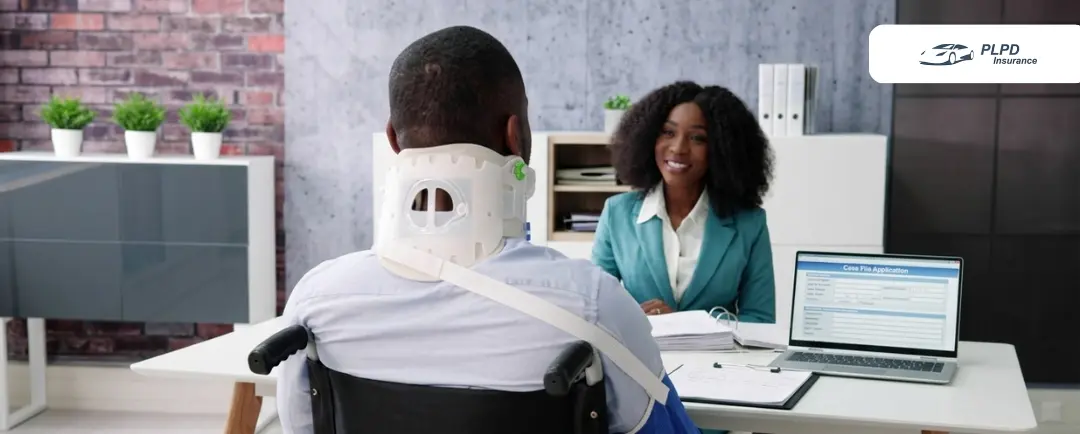
Yes, renters insurance does cover personal injury, but it applies to others, particularly non-household members. Simply put, in the event of an injury, the renters' insurance will cover a guest or any other person who isn’t a resident in your rented home.
If you’re responsible for the injury, the personal liability coverage of your renters insurance policy will cover the damages, and if it’s purely an accident where you’re not at fault, the medical payments coverage should cover the other person’s medical bills.
The best part is that the coverage extends beyond your home. If someone gets injured outside your home where you’re somehow responsible, the liability coverage of your renters insurance policy should cover their medical bills up to your policy limits.
Accidents can happen anywhere, and medical costs can escalate quickly. It’s important to understand what personal injury means in renters insurance, how liability coverage works, and when exclusions apply.
What Does Personal Injury Mean in Renters Insurance?
In renters insurance, personal injury typically refers to bodily injury to someone else for which you are legally responsible.
If a guest, neighbor, or another third party gets hurt and you’re found at fault, your personal liability coverage can help pay for their medical expenses, legal defense costs, and any damages you owe.
When renters insurance mentions personal injury, it means injuries to others that you’re legally liable for, not injuries to yourself or members of your household. To ensure you’re financially protected against these risks, consider choosing affordable renters insurance coverage through a reliable insurance agency.
How Does Renters Insurance Cover Personal Injury?
As a tenant, it is important to know what renters insurance is and how it protects you financially by covering another person’s medical expenses.
When it comes to covering another person’s accidental injuries, renters insurance pays their medical expenses through the personal liability and medical coverage.
When you’re legally responsible for the injury, the liability coverage protects you by paying their medical bills and legal defense costs up to your coverage limits.
If you are not found at fault, medical payments coverage may still help pay for minor injuries. To understand the specifics, let’s explore who is covered by renters insurance, where the coverage applies, the role of medical payments and liability coverage, and how your chosen coverage limits affect your protection.
Injuries to Guests or Neighbors
If a guest or neighbor is injured in your rental home and you are legally responsible, your renters insurance can help cover the costs through personal liability coverage. This coverage may pay for their medical bills, legal defense costs, and any settlement or court judgment up to your policy limits. It protects you financially if someone files a claim or lawsuit after being hurt on your rented premises.
In situations where you are not found legally at fault, medical payments coverage may still help cover minor medical expenses. This coverage is designed to handle smaller injuries quickly. It can apply to incidents such as slip-and-fall accidents or minor injuries that occur during a visit.
More importantly, this protection is not limited to just guests or neighbors. Renters insurance generally covers injuries to any non-household member, meaning anyone who does not live with you can be eligible for coverage if they are accidentally injured.
Injuries Outside Your Home
Renters insurance follows the policyholder, not just the rented property. So, if someone is injured outside your home, whether on the street, at a park, in a library, at a hotel, or elsewhere, the personal liability coverage of your renters insurance policy will cover their medical expenses when you’re responsible for the accident.
For example, if someone gets injured by slipping on a wet floor where you accidentally spilled some water, you can be held responsible for paying their medical expenses. In that case, the liability coverage of your renters insurance policy will cover their medical bills.
Or, if your pet bites someone even outside your home, you can be held liable to cover their bodily injuries. In a worst-case scenario, if a fire breaks out in your rented home, spreads to your neighboring units, and injures others at their home, the liability coverage will pay their medical bills if you were responsible for the accidental fire.
Medical Payments vs. Liability Coverage
There are two specific coverages that mainly cover personal injuries after an accident. While the medical payments coverage provides medical bills for minor injuries when you’re not at fault for the accident, the personal liability coverage pays significant medical expenses when you’re responsible for the accident.
The table below shows the core differences between medical payments and liability coverage to help you understand how these two renters' insurance coverages protect you financially.
Coverage Comparison | Medical Payments Coverage | Personal Liability Coverage |
Primary Purpose | Pays for minor medical expenses after an accidental injury | Protects you financially when you are legally responsible for someone’s injury |
Fault Requirement | No, applies even if you are not at fault | Yes, applies only when you are found legally liable |
What It Pays For | Emergency room visits, ambulance fees, X-rays, minor surgical treatment, doctor visits, hospital stays for minor injuries, and related immediate medical costs | Medical expenses (hospital bills, surgery, rehabilitation), ambulance services, legal defense costs, attorney fees, court costs, settlements, judgments, and in some cases lost wages or pain and suffering (if awarded) |
Lawsuit Required? | No, designed to resolve small claims without litigation | Often triggered when a claim or lawsuit is filed |
Typical Coverage Limits | Lower limits (commonly $1,000–$5,000) | Higher limits (commonly $100,000–$300,000 or more) |
Financial Impact Protection | Helps prevent small incidents from escalating | Protects against significant financial loss from serious injuries |
Personal Liability Coverage Limit
The personal liability coverage is a standard built-in component of the renters insurance policy. So, while purchasing renters insurance, you will be asked to choose your coverage limit of $100,000, $300,000, or $500,000. Some insurers offer up to $1 million personal liability coverage.
Choosing an appropriate limit is important because personal liability coverage applies when you are legally responsible for someone’s injuries or damages. If a claim or lawsuit exceeds your selected limit, you are responsible for paying the remaining amount out of pocket.
In serious cases, medical costs can quickly reach six figures, especially when severe injuries are involved. For example, if someone slips, falls, and suffers a traumatic brain injury, initial medical treatment alone can exceed $100,000.
While selecting a lower limit may reduce your premium slightly, insufficient coverage can expose you to significant financial risk. For many renters, a liability limit of $300,000 or more provides a stronger level of protection against unexpected claims.
When Does Renters Insurance Not Cover Injuries?
Although renters insurance offers financial protection for accidental injuries, certain situations and exclusions limit when coverage applies. Knowing what is not covered is just as important as understanding what is. Here’s a detailed overview of the exclusions and circumstances when renters insurance does not cover injuries.
You or Your Household Members Get Injured
Renters insurance personal liability coverage is designed to protect you against claims from third parties. It does not cover injuries to you or members of your household. If you or someone who lives with you is injured, those medical expenses would typically need to be covered by health insurance rather than your renters insurance policy.
Injury Due to Building’s Structural Issue
If you, your roommate, or another household member is injured due to a structural issue in the building, renters insurance generally does not cover those medical expenses under personal liability coverage. Structural maintenance and property conditions are typically the landlord’s responsibility.
If the landlord is found negligent, such as failing to repair known hazards, their liability insurance may apply. Otherwise, your own health insurance would usually cover your medical treatment.
Your Own Pet Gets Injured
Renters insurance does not cover veterinary expenses if your own pet is injured, whether the incident occurs inside your rental home or elsewhere. Personal liability coverage is designed to protect you when your pet injures someone else, not when your pet is injured.
If your pet’s injury is caused by a structural or maintenance issue in the building, the landlord may be responsible only if it's due to their negligence. In that case, your landlord would be liable to cover your pet’s medical expenses through the landlord‘s insurance, or at their own expense. Otherwise, veterinary costs would typically be your responsibility.
Dog Bites from Excluded Breeds
Some renters insurance providers restrict or exclude coverage for certain dog breeds. If your policy excludes your dog’s breed and your pet bites or injures a guest or neighbor, your liability coverage may not apply to that claim.
In that situation, you could be responsible for paying the injured person’s medical expenses out of pocket. It’s important to keep in mind that dog breed restrictions vary by insurer; so, you should review your policy carefully and confirm whether your dog is covered under your liability protection.
You Get Injured in a Motor Vehicle Accident
It’s already established that renters insurance specifically covers medical expenses to non-household members. So, by default, it does not cover your bodily injuries due to any accident.
However, if you end up in a motor vehicle accident injuring someone else, will the liability coverage of your renters insurance policy cover their medical bills? The answer is no, and that’s because motor vehicle accidents are specifically covered by car insurance or motorcycle insurance. So, that’s why any injury due to a motor vehicle crash is excluded from the renters insurance policy.
Injury While Conducting a Business Activity
While the personal liability, and medical payments coverage pays for the medical expenses of non-household members, if any client or customer gets injured in your rented home, your rental insurance policy won’t cover their medical expenses.
Typically, business activities are covered by a commercial insurance policy, while the standard renters insurance policy is specifically designed to protect your personal finances.
Deliberate Harm
If you intentionally hit or harm a guest, neighbor, or a non-household member, your renters insurance policy will not cover their medical expenses. The personal liability coverage and the medical payments coverage of the renters insurance policy are designed to protect you financially if someone gets injured in an accident, not when the injury is deliberately caused.
As you’re legally liable here, you will have to compensate their medical bills out of pocket, and if you get sued, you will also have to bear legal costs at your own expense.
Does Renters Insurance Cover Defamation or False Claims?
Standard renters insurance policies primarily cover bodily injury and property damage claims. If someone files a false liability claim alleging you caused their injury, your personal liability coverage typically includes legal defense costs while the claim is investigated or defended.
However, defamation, such as libel or slander, is not automatically covered under every renters insurance policy. Coverage for these offenses usually requires a personal injury endorsement. This endorsement may provide protection against claims involving libel, slander, false arrest, or similar non-physical injuries.
Why is it Essential to Have Renters Insurance Personal Liability Coverage?
Just one accidental injury is enough to incur a financial disaster. Starting from the cost of ambulance to emergency treatment, surgeries, and progressive medical treatment, it can cost you a hefty amount if someone claims a liability claim or sues you for an injury for which you’re at fault.
Whether the accident occurred in rented home or elsewhere, you’re legally liable to cover their medical expenses if you’re somehow responsible for the accident. So, to avoid a sudden financial setback as a tenant, it is crucial to maintain adequate personal liability coverage on your renters insurance policy.
If you need renters insurance to protect your finances from personal liabilities, you can contact us to get tailored coverage with a free quote.
Frequently Asked Questions (FAQ)
What is personal injury in renters insurance?
In renters insurance, personal injury typically refers to bodily injury to someone else for which you are legally responsible. This means if a guest, neighbor, or another non-household member is injured and you are found at fault, your personal liability coverage may help pay for their medical expenses, legal defense costs, and any damages up to your policy limits. In some cases, personal injury can also refer to non-physical offenses such as libel or slander, but this type of coverage usually requires a personal injury endorsement.
What happens if someone gets hurt on your rental property?
someone is injured in your rental home and you are found legally responsible, your renters insurance personal liability coverage may help pay for their medical expenses, legal defense costs, and any damages awarded against you, up to your policy limits.
If you are not at fault, medical payments coverage may still help cover minor medical expenses without requiring a lawsuit. However, if the injury was caused by a structural or maintenance issue that is the landlord’s responsibility, their insurance may apply instead.
What evidence do you need for a personal injury claim?
To support a personal injury claim, the injured person typically needs evidence showing that an accident occurred and that someone else was legally responsible. Common evidence includes medical records and bills, photos or videos of the accident scene, witness statements, incident reports, and any communication related to the incident.
Insurance companies may also review documentation that proves negligence, such as unsafe conditions or failure to maintain the property. Strong, well-documented evidence helps determine liability and the amount of compensation owed.
How much personal liability coverage should I have?
Many renters choose at least $300,000 in personal liability coverage to protect against serious injury claims. Higher limits may provide stronger financial protection, especially if you have significant assets.
Does renters insurance cover injuries to family members?
No, personal liability coverage does not apply to you or members of your household. Injuries to household members are typically covered by health insurance, not renters insurance.
Recent Posts

Does Renters Insurance Cover Bike Theft?

Does Renters Insurance Cover Vandalism?

Does Renters Insurance Cover Temporary Housing?
Categories
Life Insurance

Auto insurance
Insurance
Motorcycle Insurance
Renters Insurance
Homeowners Insurance
RV Insurance
Boat Insurance
Snowmobile Insurance
Follow Us