

 Back
Do You Need Insurance to Rent a Car in Michigan?
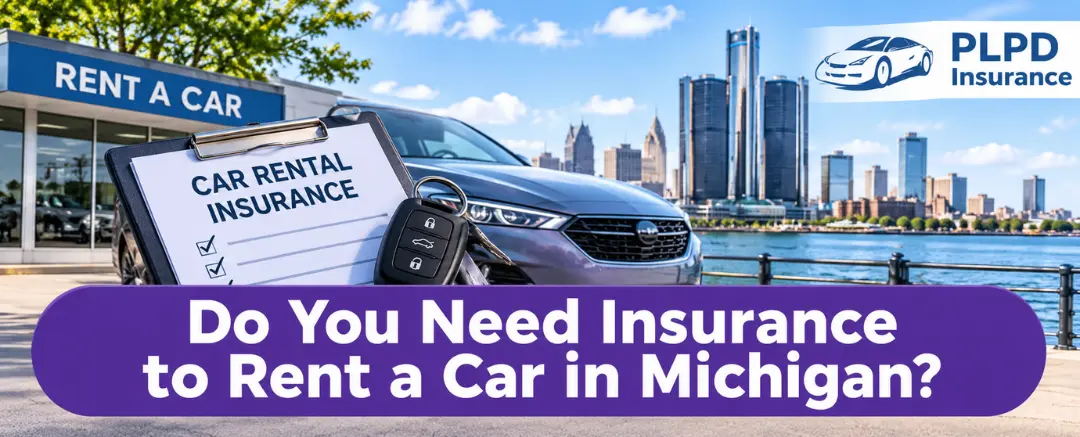
If you're about to rent a car in Michigan, you may be wondering whether you need auto insurance coverage. If you're only visiting the state for a few days, purchasing your own auto insurance policy may not be worthwhile. However, if you're a Michigan resident who frequently uses rental cars, having personal auto insurance can provide broader protection and peace of mind.
The simple answer is that you don't need your own auto insurance policy to rent a car in Michigan, but you do need insurance coverage to legally drive the vehicle. If you don't have personal auto insurance, rental car companies typically offer coverage options that can help protect you from financial liability in the event of an accident, theft, or vehicle damage. Now, if you're unsure whether it's better to purchase your own auto insurance policy or opt for rental insurance coverage, this guide will walk you through everything you need to know to choose the best option.
Why Insurance Matters When Renting a Car in Michigan?
From Michigan's mandatory auto insurance requirements to your financial protection, insurance plays an important role when renting a car. It helps you stay legally compliant and protects you from potentially costly expenses if the rental car is damaged or you are injured in an accident.
Based on Michigan's no-fault auto insurance system, drivers generally turn to their own insurance coverage for medical expenses and certain other losses after an accident, regardless of who caused it. As a result, understanding what coverage applies to a rental car is important before you get behind the wheel.
Without adequate insurance coverage, you could be responsible for repair costs, medical expenses, deductibles, or liability claims that arise from an accident. Whether the coverage comes from your personal auto insurance policy, a rental car company, or a credit card benefit, having the right protection can help you avoid unexpected financial burdens.
Does Your Personal Auto Insurance Cover a Rental Car?
In many cases, yes. If you already have a personal auto insurance policy, some of your existing coverages may extend to a rental car. Generally, the same types of coverage you carry on your personal vehicle, such as liability, collision, and comprehensive insurance, may also apply when you're driving a rental vehicle.
However, coverage can vary depending on your insurance provider, policy terms, and the purpose of the rental. For example, certain policies may not cover rental cars used for business purposes or rentals outside the coverage territory. So that's why it's important to review your policy documents or contact your insurance provider before renting a car.
If your personal auto insurance extends to rental cars, you may be able to decline some or all the coverage options offered by the rental company. Still, it's important to understand your deductibles, coverage limits, and exclusions, so you know exactly what protection you have while driving the rental car.
What Happens if You Don’t Have Auto Insurance While Renting a Car?
If you don't have auto insurance while renting a car, the rental car company may offer coverage options that can help protect you from financial responsibility if the vehicle is damaged, stolen, or involved in an accident. While you may still be able to rent a car, driving without adequate coverage can expose you to significant financial risks.
Some of the potential consequences of renting a car without insurance include:
- Paying out of pocket for repairs if the rental car is damaged.
- Being responsible for the vehicle's replacement cost if it is declared a total loss.
- Covering medical expenses resulting from an accident.
- Facing liability claims if you cause injuries or property damage to othersTypes of Personal Auto Insurance Coverage That Apply to Rental Cars in Michigan.
- Paying additional fees charged by the rental company, such as loss-of-use charges while the vehicle is being repaired.
- Fine of up to $500, and up to 1 year jail time.
To avoid these risks, it's important to verify whether your personal auto insurance, credit card benefits, or the rental company's coverage options provide adequate protection before you rent the car and drive it.
Tip: If you’re considering obtaining car insurance in Michigan, you can consider exploring a reliable Michigan-based insurance agency that offers a wide range of affordable coverage options based on your needs and budget.
Types of Personal Auto Insurance Coverage That Apply to Rental Cars in Michigan
If you already have a personal auto insurance policy, or you're considering purchasing one in Michigan, it's important to understand which coverages may extend to a rental car. Depending on your policy, certain mandatory and optional coverages can help protect you financially while driving a rental vehicle.
Let's take a closer look at the types of auto insurance coverage that may apply when renting a car in Michigan.
Liability Coverage
Liability coverage, commonly known as PLPD coverage (Personal Liability and Property Damage) insurance in Michigan, is one of the mandatory coverages that may extend to a rental car. This coverage helps pay for injuries or property damage you cause to others if you're found at fault in an accident while driving a rental vehicle.
According to the Michigan Legislature, the default mandatory liability coverage limits are $250,000 for bodily injury per person, $500,000 per accident, and $10,000 for property damage outside Michigan. You may choose lower limits of 50/100/10 by signing the required waiver. If your personal auto policy extends to rental cars, your liability coverage generally follows you when driving the rental vehicle.
PIP Coverage
Personal Injury Protection (PIP) is another mandatory coverage under Michigan's no-fault auto insurance system that may extend to a rental car. This coverage helps pay for medical expenses, rehabilitation costs, lost wages, and certain replacement services if you are injured in a car accident, regardless of who caused it.
You can choose from six different PIP coverage options in Michigan based on your eligibility and insurance needs, including:
- Unlimited PIP coverage
- $500,000 PIP coverage limit
- $250,000 PIP coverage limit
- $250,000 PIP coverage limit with exclusions
- $50,000 PIP coverage limit (for eligible Medicaid enrollees)
- PIP medical coverage opt-out (for eligible drivers)
If your personal auto insurance policy extends to rental vehicles, your selected PIP coverage may help cover accident-related injuries while driving a rental car. So, that's why it's important to review your policy and understand what level of protection applies before renting a vehicle.
PPI Coverage
Property Protection Insurance (PPI) is another mandatory coverage included in Michigan's no-fault auto insurance system. This coverage helps pay for damage you cause to another person's property in Michigan, such as buildings, fences, parked vehicles, or other structures, while operating a motor vehicle.
Here in Michigan, it is mandatory to have a PPI coverage of $1 million. If your personal auto insurance policy extends to rental cars, your PPI coverage may also apply while driving a rental vehicle. However, PPI generally applies only to property damage that occurs within Michigan, so it's important to review your policy and understand its limitations before renting a car.
Collision Coverage
Collision coverage is an optional auto insurance coverage that may extend to a rental car if it is included in your personal auto insurance policy. This coverage helps pay for damage to the rental vehicle if it is involved in a collision with another vehicle or object, regardless of who caused the accident.
If your policy includes collision coverage, it can help reduce your out-of-pocket expenses for repairing or replacing a damaged rental car. However, your deductible will typically apply, meaning you'll be responsible for paying a portion of the repair costs before your policy begins covering the remaining costs.
Comprehensive Coverage
While collision coverage protects against crash-related damage, comprehensive coverage protects your rental car from many unexpected events that can occur when the vehicle is parked or in use. This optional coverage may extend to a rental car if it is included in your personal auto insurance policy.
Comprehensive coverage typically helps pay for losses caused by theft, vandalism, fire, hail, flooding, falling objects, and animal collisions. For example, if a tree branch falls on your rental car during a storm or the vehicle is stolen from a parking lot, comprehensive coverage may help cover the resulting damage or loss. Like collision coverage, a deductible usually applies before your insurer pays for a covered claim.
Non-Owner Car Insurance Coverage
If you don't own a vehicle but frequently rent cars, a non-owner car insurance policy may be worth considering. This type of insurance provides liability coverage for drivers who do not own a car but regularly drive borrowed or rented vehicles.
A non-owner policy can help pay for bodily injury and property damage you cause to others in an accident. However, it typically does not include collision or comprehensive coverage for damage to the rental vehicle itself. For that reason, you may still need to purchase additional auto insurance coverage or coverage options offered by the car rental company.
Other Optional Coverage
In addition to collision and comprehensive coverage, there are several optional coverages that may provide extra protection when renting a car. Depending on your insurance provider and policy terms, some of these coverages may also extend to rental vehicles.
For example, roadside assistance can help if the rental car experiences a breakdown, flat tire, or dead battery during your trip. Rental reimbursement coverage may help pay for a temporary rental vehicle if your personal car is being repaired after a covered claim. Some insurers may also offer uninsured/underinsured motorist coverage, which can provide additional financial protection if you're involved in an accident caused by a driver with little or no insurance.
Before renting a vehicle, review your policy and speak with your insurance provider to determine which optional coverages apply and whether they offer meaningful benefits for your rental period.
Can You Rent a Car Without Auto Insurance in Michigan?
Yes, it is generally possible to rent a car without having your own auto insurance policy in Michigan. However, you still need insurance coverage to legally drive the vehicle. If you don't have personal auto insurance, you'll need to obtain coverage through another source, such as the rental car company or an eligible insurance policy that extends to the rental vehicle.
When renting a car, the rental company may ask for proof of insurance or offer its own coverage options. If you cannot demonstrate that you have adequate coverage, some rental companies may require you to purchase their protection plans or may refuse to rent the vehicle altogether. This helps protect the company from financial losses if the rental car is damaged, stolen, or involved in an accident.
If you don't have a personal auto insurance policy, there are still a few ways to obtain coverage before driving a rental car. The most common options include purchasing protection from the rental car company or checking whether your credit card provides rental car coverage benefits
Get Coverage from the Car Rental Company
One of the easiest ways to obtain insurance coverage when renting a car is to purchase protection directly from the rental car company. Most rental companies offer several coverage options that can help protect you from financial responsibility if the vehicle is damaged, stolen, or involved in an accident.
While purchasing rental car insurance will increase the overall cost of your rental, it can provide peace of mind if you don't have a personal auto insurance policy or other coverage that extends to rental vehicles. Depending on the rental company, you may be able to choose from options such as a Loss Damage Waiver (LDW), Supplemental Liability Insurance (SLI), Personal Accident Insurance (PAI), and Personal Effects Coverage (PEC).
Before purchasing any coverage, take the time to review what is included and compare it with any existing protection you may already have. This can help you avoid paying for duplicate coverage while ensuring you have adequate protection during your rental period.
Check Whether Your Credit Card Provides Rental Car Coverage
Another option is to check whether your credit card offers rental car coverage benefits. Many credit card issuers provide rental car protection when you use the card to pay for the rental and decline the rental company's damage waiver or similar coverage.
Depending on the card issuer and benefits package, rental car coverage may help pay for damage to or theft of the rental vehicle. However, most credit card benefits do not provide liability coverage for injuries or property damage you cause to others, so additional protection may still be necessary.
Before relying on credit card coverage, review your card's terms and conditions carefully. Coverage limits, exclusions, eligible vehicle types, and rental periods can vary significantly between credit card providers. Understanding these details beforehand can help you avoid unexpected coverage gaps during your rental period.
Rental Car Insurance Options Offered by Rental Companies
If you don't have personal auto insurance or simply want additional protection, most rental car companies offer several optional coverage products. Each type of coverage is designed to protect you from specific financial risks, ranging from vehicle damage and liability claims to medical expenses and personal property loss.
Understanding what each coverage includes can help you decide whether it's worth the additional cost or if you're already protected through your personal auto insurance policy or credit card benefits. Here are the most common rental car insurance options offered by rental companies.
Loss Damage Waiver (LDW) or Collision Damage Waiver (CDW)
A Loss Damage Waiver (LDW) or Collision Damage Waiver (CDW) is one of the most common protection options offered by rental car companies. While it is not technically insurance, it may waive your financial responsibility if the rental vehicle is damaged, stolen, or declared a total loss during the rental period.
Purchasing an LDW or CDW can help you avoid paying for costly repairs or replacement expenses. However, coverage terms, exclusions, and deductibles can vary by rental company, so it's important to review the agreement carefully before accepting the waiver.
Supplemental Liability Insurance (SLI)
Supplemental Liability Insurance (SLI) provides additional liability protection if you cause bodily injury or property damage to another person while driving a rental car. This coverage is designed to supplement any existing liability coverage you may already have through your personal auto insurance policy.
SLI can be particularly beneficial if your personal liability limits are low or if you don't have an auto insurance policy. By increasing your liability protection, SLI can help reduce your financial exposure following an at-fault accident.
Personal Accident Insurance (PAI)
Personal Accident Insurance (PAI) helps cover medical expenses resulting from injuries sustained in a rental car accident. Depending on the policy, this coverage may apply to the driver and passengers occupying the rental vehicle at the time of the accident.
If you already have health insurance, medical payments coverage, or Personal Injury Protection (PIP), you may already have similar protection. Reviewing your existing coverage can help you determine whether purchasing PAI is necessary.
Personal Effects Coverage (PEC)
Personal Effects Coverage (PEC) helps protect personal belongings kept inside the rental vehicle. If your luggage, electronics, clothing, or other covered items are stolen from the rental car, PEC may help reimburse you for the loss up to the policy limits.
Before purchasing PEC, check whether your homeowners, renters, or travel insurance policy already provides coverage for personal belongings away from home. This can help you avoid paying for duplicate protection.
Which is a Better Option: Personal Auto Insurance or Rental Car Insurance (Table)
If you're not sure whether you should purchase a personal auto insurance policy or rely on rental car insurance, the comparison table below can help you make an informed decision. The right option depends on how often you drive, how frequently you rent vehicles, and the level of protection you need.
Factor | Personal Auto Insurance | Rental Car Insurance |
Coverage Availability | May extend to rental cars depending on the policy | Available directly from the rental company |
Cost | Included in your existing premium | Additional daily charge (usually between $12 to $35 per day) |
Liability Protection | Depends on your policy limits | Available through Supplemental Liability Insurance (SLI) |
Damage to Rental Car | May be covered by collision and comprehensive coverage | May be covered through LDW/CDW |
Deductible | Typically applies to covered claims | May reduce or eliminate out-of-pocket repair costs depending on the agreement |
Convenience | Requires reviewing your policy beforehand | Can be purchased at the rental counter |
Best For | Drivers who already have adequate auto insurance coverage | Drivers without auto insurance or those seeking additional protection |
If you rent cars regularly or plan to drive frequently, a personal auto insurance policy may provide broader and more cost-effective coverage. However, if you only need a vehicle for a short period, rental car insurance may offer a convenient way to get the protection you need without purchasing a separate policy.
Final Remarks: Do You Need Auto Insurance to Rent a Car in Michigan?
Again, while you don’t need car insurance to rent a car in Michigan, you do need adequate coverage to drive the vehicle. So, depending on your situation, that coverage may come from your personal auto insurance policy, a non-owner insurance policy, a credit card benefit, or the rental car company's protection plans.
Before renting a vehicle, take the time to review your coverage options and understand what protection applies. Having the right coverage can help you stay compliant with Michigan's auto insurance requirements while protecting you from unexpected financial losses. If you need help finding affordable auto insurance coverage to rent a car in Michigan, you can contact us for expert guidance with a free quote. Our team can help you find coverage that fits your needs and budget.
Frequently Asked Questions (FAQs)
Can I get a rental car without insurance?
Yes, you can often rent a car without having your own auto insurance policy. However, you still need insurance coverage to legally drive the vehicle in Michigan and most other states. If you don't have personal auto insurance, the rental car company may offer coverage options, or you may be covered through an eligible credit card benefit.
Should you get insurance when renting?
It depends on your existing coverage. If your personal auto insurance policy or credit card already provides rental car protection, additional rental car insurance may not be necessary. However, if you don't have adequate coverage, purchasing insurance from the rental company can help protect you from unexpected financial losses.
Do I need to call my insurance if I rent a car?
It's not always necessary, but it's a good idea. Contacting your insurance provider before renting a car can help you confirm whether your policy extends to rental vehicles, what coverages apply, and whether you need additional protection from the rental company.
Recent Posts
Do You Need Insurance to Rent a Car in Michigan?
Is Motorcycle Insurance Required in Michigan?
Does Car Insurance Cover Hail Damage?
Categories
Life Insurance

Auto insurance
Insurance
Motorcycle Insurance
Renters Insurance
Homeowners Insurance
RV Insurance
Boat Insurance
Snowmobile Insurance
Follow Us