


 Back
BackDoes Renters Insurance Cover Mold?
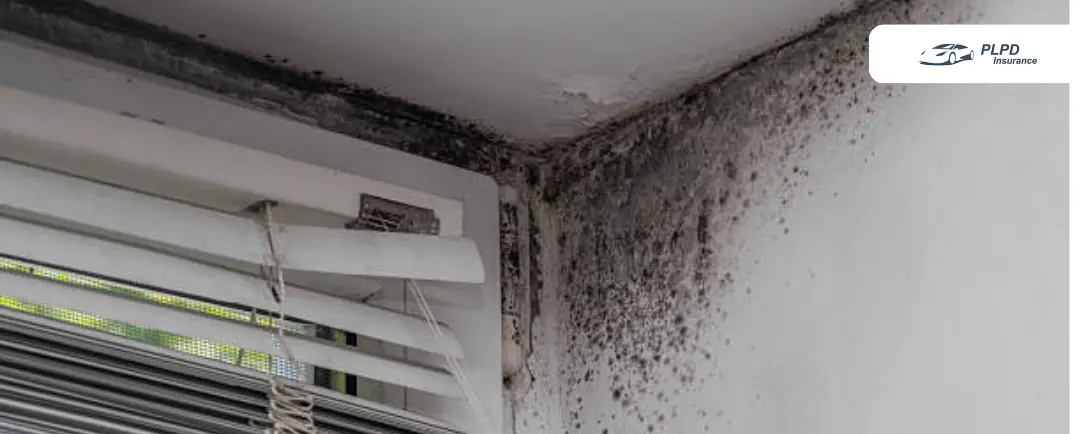
If your rented home has visible mold, addressing the moisture source quickly can help prevent the problem from spreading. Mold can damage personal belongings such as carpets, furniture, and electronics, while professional remediation costs can vary significantly depending on the extent of the damage.
What’s worse is, mold can completely destroy your personal belongings, starting from carpets to furniture and electronic appliances. Plus, it also poses substantial health risks, which can incur significant medical bills.
If you think about the financial toll, it can cost you hundreds to thousands of dollars to get rid of the mold, and you also need to invest in repairing or replacing your damaged belongings.
The problem is, there isn’t a straightforward answer to whether renters insurance covers mold, especially because the cause of mold is difficult to identify, and mold itself isn’t a covered peril.
If you’re wondering whether renters insurance covers mold, that actually depends on what’s causing the mold. If it’s a covered peril due to accidental water damage, you may get covered by renters insurance.
However, if the cause of the mold is due to poor maintenance, then your renters insurance won’t cover your loss. So, to help you understand under what circumstances renters insurance covers mold, this article breaks down the conditions and exclusions in detail.
Does Renters Insurance Cover Mold Inspection and Remediation?
According to the Insurance Information Institute, mold damage may be covered when it results from a covered peril, while mold caused by maintenance issues generally is not covered.
Renters insurance will cover mold inspection and remediation only if it's caused by a covered peril. However, getting renters insurance coverage can be a bit more complicated for mold inspection compared to remediation.
You’re only eligible to get a payout from your policy when you can prove the mold has occurred due to a covered peril, and not poor maintenance, which may typically require a mold inspection if you can’t prove it.
So, if that’s the issue, you may need to pay the inspection costs out of pocket. However, after getting the mold inspection, if it’s confirmed that it's due to a covered peril like a burst water pipe or storm damage, your renters insurance policy will reimburse the remediation cost up to your coverage limit.
Incidents like mold infestation are a serious concern, and that’s why it's important to choose an insurer that offers clear mold coverage terms, reasonable limits, or optional mold endorsements to protect you if a covered water event leads to mold growth.
If you’re looking for a trusted insurance agency in Michigan, PLPD can help you find affordable coverage that fits your needs. Explore their guide to auto insurance in Michigan to learn more about the coverage available.
When Does Renters Insurance Cover Mold?
When it comes to covering mold damage and remediation, it is essential to keep in mind that molds typically grow and infest damp and moist areas in your house. This means that you will most likely get covered if the mold in your rented home occurs due to covered water damage. Here are the common covered perils that can lead to mold and qualify for coverage.
Burst Water Pipe
If a pipe in your rental suddenly bursts and causes significant water leakage, the moisture it leaves behind can create ideal conditions for mold to grow. When mold develops as a direct result of this sudden and accidental water damage, your renters insurance may cover the loss. This typically includes reimbursement for damaged personal belongings, mold remediation, and temporary housing expenses (if your unit becomes uninhabitable).
Appliance Leak
If an appliance like a washing machine, refrigerator, or air conditioner suddenly leaks due to an accidental malfunction, the escaping water can create moisture that quickly leads to mold on nearby walls, floors, and surrounding areas. When this happens, renters insurance may cover the resulting mold damage and remediation as long as the leak was sudden and accidental.
Storm Damage
Storms can cause sudden water intrusion, such as wind-driven rain, ice buildup, or hail damage, that allows moisture to enter your rental unit. Once the water is absorbed into walls, floors, or insulation, it can create the perfect environment for mold to develop. In severe cases, freezing temperatures during a storm may even cause pipes to burst, leading to similar water issues.
When mold growth results directly from this sudden and accidental storm-related water damage, renters insurance typically covers mold remediation costs up to your coverage limits.
Sudden Water Damage from Neighboring Units
If sudden water damage occurs in a neighboring unit, such as from a burst pipe or an accidental appliance leak, and the water makes its way into your rented apartment, it can soak your walls, ceiling, or flooring and create ideal conditions for mold growth.
When mold develops as a direct result of this sudden and accidental water intrusion, your renters insurance will cover the mold remediation costs and any damaged personal property.
When Does Renters Insurance Not Cover Mold Damage?
While renters insurance usually covers mold remediation for covered perils, some water-related events are excluded from the standard renters insurance policy. This makes it essential to know when exactly renters insurance won’t cover mold damage, especially to avoid unexpected out-of-pocket costs and financially overwhelming situations.
Flood
While storm-related water damage may be covered, renters insurance does not cover mold caused by flooding. If a storm leads to rising water or an overflow that enters your rental and causes mold, your renters insurance will not pay for remediation. This is mainly because flooding is excluded from standard renters insurance policies and requires a separate policy for flood insurance.
Overflowing Sewage
Mold caused by sewage or drain backups may not be covered under a standard renters insurance policy, depending on the policy's exclusions. Some insurers offer a water backup or sewer backup endorsement that can provide additional coverage. Check your policy for the specific coverage and limits that apply.
Poor Hygiene and Maintenance
If mold develops due to long-term moisture, poor maintenance, or failure to address existing issues, renters insurance will not cover the damage. This is because renters insurance is designed to cover sudden and accidental events, not mold caused by neglect or ongoing hygiene or maintenance problems. In these cases, you will have to cover any damage or remediation costs out of pocket.
No Mold Endorsement
Mold coverage can vary by policy, and some renters insurance policies may exclude or limit coverage for mold. In some cases, an endorsement may be available to add coverage or increase the limits for mold-related losses. Check your policy to see whether mold is covered, excluded, or subject to a separate limit or endorsement.
Is it Difficult to Get Renters Insurance Coverage for Mold?
Yes, it is difficult to get renters insurance coverage for mold, unless you can prove that it happened due to a covered peril. Some insurers may require evidence that may require a professional mold inspection in your rented apartment.
Getting a professional mold inspection can cost anywhere from about $200 to $1,000 or more, depending on the size of the property and the scope of the inspection. Additional air or surface sampling may also increase the total cost, with prices varying by the type of sample and testing required.
Coverage for mold inspection costs depends on the policy and the circumstances of the claim. If the insurer needs an inspection to determine whether the mold resulted from a covered event, ask the insurer whether the inspection is covered before arranging one. If the inspection is not covered, you may need to pay the cost yourself.
Does Additional Living Expense (ALE) Coverage Apply for Mold?
If your rented home becomes unlivable, and if the mold occurs due to a covered peril then yes, your additional living expense coverage (ALE) will apply for the temporary housing expenses until the mold remediation is done, and it is safe to move back in.
However, if the mold occurs due to any other reason apart from the covered perils, and more importantly, if it’s due to policy exclusion like flood, or lack of maintenance then the ALE coverage won’t apply. So, if you need to relocate temporarily, you will have to cover the living costs out of your own pocket.
How to File a Mold Claim with Renters Insurance?
If you’re certain that the mold in your rented home is due to a covered peril, then you should file a renters insurance claim as soon as possible. Here’s a step-by-step guide to file a mold claim with renters insurance.
- Document the mold immediately by taking photos/videos of the affected areas and any damaged belongings.
- Stop further damage by addressing the source of water if possible (e.g., shut off water, and notify your landlord).
- Notify your landlord, as there are possibilities of property damage which may fixing structural issues.
- Contact your renters insurance company by reporting the mold and explaining what caused it.
- Provide evidence by sharing photos, receipts, and any documentation linking the mold to a covered peril.
- Schedule an adjuster inspection so that the insurer may send an adjuster for mold inspection.
- Follow the insurer’s instructions and complete any forms or provide additional info that they require.
- Receive approval and remediation guidance. If it's approved, proceed with mold cleanup and submit all receipts for reimbursement.
The Bottom Line: Should I Consider Renters Insurance to Cover Mold?
Renters insurance may cover mold when it results from a covered and sudden event, such as certain types of accidental water damage. However, mold caused by excluded events, long-term moisture, or maintenance issues may not be covered.
Because mold coverage, exclusions, limits, and endorsements can vary between policies, review your policy carefully and contact your insurer when you discover mold. Understanding what caused the mold and whether that cause is covered is essential when determining whether you can file a claim.
If you’re considering renters insurance or want to better understand the coverage available for your rental home, contact us to discuss your options and request a quote.
Frequently Asked Questions
Is mold covered by renters insurance?
Renters insurance may cover mold, but only when it’s caused by a covered peril—such as a burst pipe, sudden appliance leak, or storm-related water damage. Mold resulting from flooding, poor maintenance, or long-term moisture issues is not covered.
Should I file a renters insurance claim for mold?
You should file an insurance claim for mold if you believe it was caused by a covered peril, such as sudden water damage. If the mold resulted from flooding, neglect, or long-term moisture issues, the claim will likely be denied.
Does renters insurance cover mold testing?
Renters insurance typically won’t cover mold testing unless the insurer has already confirmed the mold came from a covered peril and the inspection is part of the claims process.
Does renters insurance cover health issues caused by mold?
No, renters insurance does not cover medical costs due to mold exposure. Coverage applies only to property damage caused by mold from a covered event.
Does renters insurance cover temporary housing due to mold?
Yes, but only if mold from a covered peril makes your home uninhabitable. ALE won’t apply if the mold came from an excluded cause like flooding or poor maintenance
Do I need a mold endorsement with renters insurance?
Some insurers require or offer mold endorsements to increase coverage limits for mold remediation. Without it, mold-related coverage may be limited or excluded.
Recent Posts

Does Renters Insurance Cover Bike Theft?
Does Renters Insurance Cover Vandalism?
Does Renters Insurance Cover Temporary Housing?
Categories
Life Insurance

Auto insurance
Insurance
Motorcycle Insurance
Renters Insurance
Homeowners Insurance
RV Insurance
Boat Insurance
Snowmobile Insurance
Follow Us