


 Back
Does Homeowners Insurance Cover Roof Leaks?
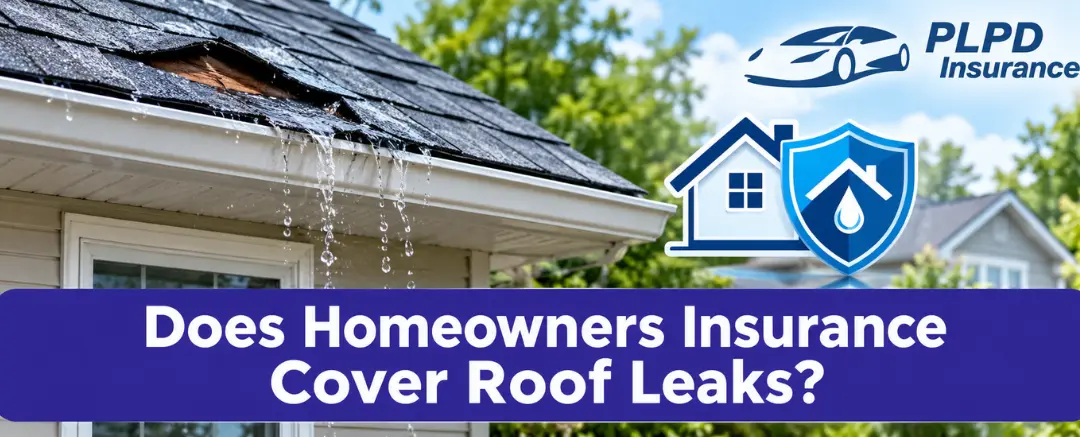
Yes, homeowners insurance may cover roof leaks caused by sudden events that your policy covers. For example, strong winds can remove shingles and allow rainwater to enter your home. Insurance may then help pay for roof repairs and resulting water damage. However, leaks caused by aging materials, poor maintenance, or gradual deterioration generally fall outside standard coverage. For Michigan homeowners, severe storms and winter weather can create additional roofing concerns. Still, the cause of the damage and your policy terms determine whether coverage applies. Deductibles and coverage limits also affect how much your insurer may pay. This article explains covered roof leaks, common exclusions, repair costs, and the steps involved in filing a claim.
Roof Leak Coverage Under Homeowners Insurance
Most homeowners insurance policies include dwelling coverage, which protects the home's physical structure against covered losses. This protection generally extends to the roof, walls, ceilings, and other attached components. However, homeowners insurance does not function as a maintenance plan or guarantee payment for every leak. Instead, insurers review the cause of damage and applicable policy provisions before determining coverage.
According to the Insurance Information Institute, water damage and freezing accounted for 22.6% of homeowners insurance losses by cause in 2023. These losses include different forms of water damage, not just leaking roofs. Still, the figures show how costly water-related problems can become for homeowners. However, insurance coverage depends on what caused the damage and the terms of the policy.
How Homeowners Insurance Protects Your Roof
Roof leak insurance coverage generally depends on whether the damage resulted from a covered peril. A covered peril is an event or cause of loss that your insurance policy protects against. Many standard homeowners policies cover sudden and accidental damage from wind, hail, fire, and falling objects. However, endorsements and exclusions can change which events qualify.
Several policy components may apply when a covered event damages your roof.
Coverage Type | What It May Cover |
Dwelling coverage | Roof, ceilings, walls, and other parts of the home's structure |
Personal property coverage | Furniture, electronics, clothing, and other damaged belongings |
Other structures coverage | Covered damage to detached garages, sheds, and similar structures |
Loss of use coverage | Additional living expenses when covered damage makes the home uninhabitable |
These protections serve different purposes, even when one incident triggers several types of damage. For example, a storm might damage your roof and soak furniture inside your bedroom. Dwelling coverage may address structural repairs, while personal property coverage may address damaged belongings. Consequently, reviewing applicable coverage helps homeowners understand the potential financial protection available.
Common Causes of Roof Leaks Covered by Homeowners Insurance
What causes of roof leaks are covered by homeowners' insurance? Generally, the answer involves sudden events that physically damage roofing materials and allow water inside. Windstorms, hail, falling trees, fire, and certain snow-related incidents commonly qualify under standard policies. Still, homeowners must check their individual coverage terms because exclusions can apply.
Cause of Roof Leak | Example of Potentially Covered Damage |
Windstorms | Strong winds tear shingles from the roof |
Hailstorms | Hail damages shingles or punctures roofing materials |
Falling trees | A tree branch breaks through the roof during a storm |
Fire or lightning | A covered fire or lightning strike damages the roofing system |
Snow and ice | Excessive accumulated weight damages the roof structure |
Vandalism | Someone intentionally damages roofing materials |
Although these events commonly qualify for coverage, the circumstances surrounding the damage still matter. For example, a storm may expose existing roof deterioration rather than cause new damage. Insurers generally examine whether the covered event directly caused the loss. Therefore, photographs, weather records, and professional inspection findings can help establish what happened.
Winter-related damage requires particular attention because snow accumulation and ice dams affect roofs differently. Excessive snow weight may cause structural damage, while ice dams can force melting water beneath roofing materials. However, coverage for the resulting damage depends on the policy's provisions and exclusions. Michigan homeowners should review these distinctions when assessing winter-related roof leaks.
Roof Leak Damage That Homeowners Insurance Typically Excludes
When are roof leaks not covered by homeowners insurance? Most standard policies exclude damage caused by ordinary wear, aging materials, and neglected maintenance. For example, cracked shingles or deteriorated flashing may allow rainwater to enter an older roof. However, these conditions generally require routine repairs rather than insurance payments.
Improper roof installation and faulty workmanship can also lead to excluded losses. Likewise, long-term moisture intrusion may fall outside coverage when water damage develops gradually. Some policies contain exceptions for certain resulting losses, depending on their specific wording. Therefore, homeowners should review applicable exclusions before assuming a leak qualifies for reimbursement.
The following table summarizes common causes of roof leaks that homeowners insurance typically excludes.
Cause | Typical Coverage Treatment |
Aging shingles | Generally excluded as normal wear |
Gradual roof deterioration | Usually excluded |
Neglected maintenance | Generally excluded |
Improper installation | Defective work typically excluded |
Long-term moisture intrusion | Often excluded as gradual damage |
Flood-related damage | Generally excluded under standard homeowners insurance |
A leak discovery date does not always establish when the damage began. For example, homeowners may notice ceiling stains long after moisture first entered the attic. Insurers may examine the damage pattern, maintenance history, and inspection findings to determine its cause. As a result, hidden or gradual leaks require careful review of the policy's coverage terms.
Coverage for Interior Water Damage and Personal Belongings
Water damage from a roof leak can affect ceilings, walls, flooring, insulation, and personal belongings. When a covered event causes the leak, different parts of your homeowners' policy may respond. Dwelling coverage generally addresses damage to the home's structure, including water-damaged walls and ceilings. Meanwhile, personal property coverage may help repair or replace damaged furniture, electronics, and other belongings.
However, coverage for interior water damage is not always identical to coverage for roof repairs. Policy exclusions, limits, and the circumstances surrounding the leak can affect each part of the claim. For example, the insurer may evaluate damaged roofing materials separately from the resulting interior damage. Therefore, homeowners should review both portions of the settlement rather than assuming they receive identical treatment.
Attic water damage and structural water damage can also require extensive repairs. Wet insulation, damaged drywall, and weakened materials may need professional attention to prevent further deterioration. Additionally, mold damage from roof leaks can complicate the cleanup process. Some policies provide limited mold remediation coverage when mold directly results from a covered loss.
Loss of use of coverage may help when covered damage makes your home temporarily uninhabitable. This protection can reimburse qualifying additional living expenses, such as temporary lodging and increased meal costs. However, insurers generally cover eligible expenses above normal living costs, subject to policy limits. Therefore, homeowners should confirm their benefits before arranging extended accommodations.
Roof Repair and Replacement Coverage: Costs and Limitations
Homeowners insurance roof replacement coverage depends on the extent of covered damage and the policy's settlement terms. A damaged roof does not automatically qualify for complete replacement, even after a major storm. Instead, insurers evaluate whether repairs can restore the affected areas to an acceptable condition. Consequently, the settlement may cover specific sections rather than the entire roofing system.
According to the Michigan Department of Insurance and Financial Services, insurers are not automatically required to replace an entire roof after covered wind or hail damage. Coverage may apply only to the damaged portion, depending on the policy and circumstances. This distinction matters when homeowners receive a roof repair estimate that differs from their contractor's recommendation. Therefore, reviewing the insurer's scope of work can help identify any disagreements.
Several factors influence roof repair insurance coverage and final payment.
- Extent of damage: Whether the roof needs localized repairs or broader replacement.
- Homeowners insurance deductible: The amount the homeowner must pay toward a covered loss.
- Insurance coverage limits: The maximum amount payable under applicable policy provisions.
- Roof age: Older materials may affect depreciation or roof-specific settlement terms.
- Policy endorsements: Additional provisions may expand or restrict roof coverage.
- Repair costs: Labor, roofing materials, and the approved scope of work.
Your deductible and settlement method determines how much you may receive for covered repairs. Additionally, some policies apply separate wind or hail deductibles that differ from the standard deductible. These deductibles may use a percentage of the insured dwelling amount rather than a fixed dollar figure. Therefore, reviewing your declarations page can help clarify your potential out-of-pocket costs.
Actual Cash Value vs. Replacement Cost Coverage
Actual cash value (ACV) and replacement cost value (RCV) determine how insurers calculate certain property losses. ACV accounts for depreciation, while RCV generally measures the cost of replacing damaged property without deducting depreciation. However, replacement cost payments remain subject to policy limits, deductibles, and applicable settlement conditions. Some policies also require completed repairs before releasing recoverable depreciation.
Consider a covered roof replacement with an approved cost of $15,000. Suppose the insurer calculates $5,000 in depreciation and applies a $1,500 deductible. The following example shows how different settlement methods can affect the payment.
Settlement Detail | ACV Coverage | RCV Coverage |
Approved replacement cost | $15,000 | $15,000 |
Depreciation withheld initially | −$5,000 | −$5,000 |
Deductible | −$1,500 | −$1,500 |
Initial insurance payment | $8,500 | $8,500 |
Potential recoverable depreciation | $0 | $5,000 |
Potential total insurance payment | $8,500 | $13,500 |
Illustrative example only. Actual payments depend on policy terms, limits, repair completion requirements, and other conditions.
Under an RCV policy, the insurer may initially pay the depreciated amount and release additional funds after repairs. By contrast, an ACV settlement generally does not reimburse the deducted depreciation. Understanding these settlement methods can help homeowners estimate their potential out-of-pocket expenses after a covered loss. Therefore, reviewing roof-specific provisions is important when comparing homeowners insurance policies.
Filing a Homeowners Insurance Claim for Roof Leaks
A leaking roof insurance claim begins with identifying the damage and notifying your insurer. Acting promptly can limit further water intrusion and help preserve important evidence. However, homeowners should avoid climbing onto damaged roofs or entering unsafe areas. Instead, arrange professional assistance when an inspection or temporary repair presents safety risks. The following steps can help organize the insurance claim process.
- Prevent additional damage safely. Move belongings away from leaks and arrange emergency roof repairs when necessary. Document the affected areas. Photograph ceiling stains, damaged belongings, visible roof problems, and other evidence. Contact your insurance provider. Report the damage and ask about claim requirements, deadlines, and temporary repairs. Arrange a professional inspection. Request a roof inspection report identifying the damage and its likely cause. Work with the claims adjuster. Provide photographs, maintenance records, receipts, and requested documentation.
- Review the settlement estimate. Compare the insurer's findings with your contractor's roof repair estimate.
- Complete approved repairs. Keep invoices and submit any documents required for additional replacement cost payments.
After receiving your claim, the insurer reviews the evidence and prepares a damage assessment. The settlement estimate should identify covered repairs, applicable deductibles, and any depreciation. However, the insurer's estimate may differ from the contractor's proposed scope of work. If you find missing damage or incorrect measurements, request a review and provide supporting documentation.
Michigan homeowners also have responsibilities after property damage occurs. According to the Michigan Department of Insurance and Financial Services (DIFS), policyholders should report losses promptly, prevent additional damage, and cooperate with reasonable information requests. Additionally, homeowners should keep receipts for temporary repairs and other necessary expenses related to the incident. However, they should discuss documentation and inspection requirements with their insurer before authorizing major permanent repairs.
An insurance claim denial does not necessarily mean homeowners have no further options. First, request a written explanation identifying the policy provisions behind the decision. Then, compare the findings with your inspection report, photographs, and other supporting evidence. If the disagreement remains unresolved, Michigan homeowners can contact DIFS for assistance with insurance-related complaints.
Roof Leak Insurance Considerations for Michigan Homeowners
Michigan's changing seasons create roofing concerns that homeowners should consider when reviewing their insurance policies. Winter conditions are particularly important because snow accumulation and ice dams can cause extensive property damage. Additionally, freeze-thaw cycles may allow melting snow to collect beneath roofing materials. Therefore, understanding how your policy treats winter-related losses is especially useful in Michigan.
Standard homeowners policies generally cover several winter-related losses, including ice dams and snow-related roof collapse. However, policy exclusions and coverage limits still apply. Homeowners should also distinguish roof repairs from damage to ceilings, insulation, and belongings. These losses may involve different coverage provisions.
Michigan homeowners should also review their policies before severe weather occurs. Some insurers apply special deductibles or settlement conditions to certain roof losses. Additionally, homeowners should confirm whether their policies contain restrictions involving older roofing materials. Checking these provisions in advance can help avoid unexpected expenses after a covered storm.
When comparing homeowners insurance in Michigan, homeowners should look beyond general coverage descriptions. Different types of home insurance offer varying protection for roof damage, water intrusion, and replacement costs. For example, residents comparing home insurance in Flint, MI, should review roof-specific exclusions and deductibles. These details can help homeowners choose coverage that reflects their property's condition and potential risks.
Roof Maintenance and Leak Prevention Tips
Regular roof maintenance can reduce the risk of leaks and expensive water damage. Although homeowners cannot prevent every storm-related incident, routine inspections can identify problems before they worsen. Additionally, maintenance records may help clarify the roof's condition when an insurance claim arises. Taking preventive measures also reduces the likelihood of repairs resulting from avoidable deterioration.
Consider these practical roof maintenance steps:
- Inspect your roof regularly. Check for missing shingles, damaged flashing, and visible deterioration from a safe location.
- Clean gutters and downspouts. Remove leaves and debris to support proper drainage.
- Trim nearby branches. Reduce the chance of falling limbs damaging roofing materials.
- Check attic conditions. Look for moisture stains, damp insulation, and ventilation problems.
- Arrange repairs before small openings allow repeated water intrusion.
- Schedule professional inspections. Have a qualified roofer assess suspected damage after major storms.
- Keep maintenance records. Save inspection reports, repair invoices, and photographs for future reference.
Michigan homeowners should also prepare their roofs before winter weather arrives. Proper attic insulation and ventilation can help reduce conditions that contribute to ice dams. Additionally, homeowners should address drainage problems before snow and freezing temperatures make repairs more difficult. These preventive measures can help protect roofing materials and reduce the risk of winter water damage.
The Bottom Line: Understanding Your Roof Leak Coverage
Homeowners insurance may cover roof leaks caused by sudden, covered events, but routine deterioration generally remains the homeowner's responsibility. Additionally, deductibles, policy limits, and roof settlement provisions determine how much an insurer may pay. Reviewing these details can help Michigan homeowners understand their financial protection before unexpected damage occurs. Regular roof maintenance also helps reduce preventable leaks and costly repairs.
At PLPD, we help Michigan homeowners compare insurance options based on their property's needs and budget. Our homeowners insurance options include protection for the dwelling, personal belongings, and qualifying additional living expenses. Whether you're reviewing an existing policy or considering new coverage, understanding your roof protection is an important starting point. For personalized guidance, connect with one of our experienced insurance agents to discuss your coverage needs and find suitable protection for your home.
Frequently Asked Questions (FAQs)
Does homeowners insurance cover roof leaks caused by heavy rain?
Homeowners insurance may cover heavy rain roof leaks when a covered event first damages the roof. For example, strong winds might remove shingles and allow rainwater to enter the home. However, ordinary rainfall entering through worn roofing materials generally does not qualify. The insurer must determine whether a covered event caused the opening or an existing defect allowed the water inside.
Does homeowners insurance cover roof leaks if the roof is old?
An older roof may still qualify for coverage when a covered event causes damage. However, insurers generally do not pay to replace roofing materials simply because they have reached the end of their lifespan. Roof age insurance coverage may also involve depreciation or special settlement restrictions. Therefore, homeowners should review their policy's roof provisions rather than assuming age automatically eliminates coverage.
Does homeowners insurance cover ice dam damage in Michigan?
Michigan homeowners insurance may cover damage caused by ice dams, depending on the policy. For example, trapped melting snow may enter the home and damage ceilings or walls. However, coverage can differ for roof repairs, resulting water damage, and underlying maintenance problems. Homeowners should review applicable exclusions and document the damage before arranging extensive repairs.
Should you file an insurance claim for a minor roof leak?
Filing a claim depends on the cause of damage, repair costs, and deductible. If repairs cost less than your deductible, an insurance payment may not be available. Additionally, claim history can affect future insurance costs or underwriting decisions. Therefore, consider obtaining a repair estimate and discussing the situation with your insurer before deciding whether to submit a claim.
Can a homeowners insurance claim for roof damage be denied?
Yes, insurers may deny roof damage claims when the damage falls under policy exclusions or lacks sufficient supporting evidence. If your claim is denied, request a written explanation identifying the relevant policy provisions. You can also submit additional inspection reports or photographs to support a reconsideration request. Michigan homeowners may contact the Department of Insurance and Financial Services (DIFS) if they cannot resolve a claim dispute with their insurer.
References:
- Insurance Information Institute. (n.d.). Facts + statistics: Homeowners and renters insurance. https://www.iii.org/fact-statistic/facts-statistics-homeowners-and-renters-insurance
- Michigan Department of Insurance and Financial Services. (n.d.). Tornado / severe storms. https://www.michigan.gov/difs/consumers/disaster-prep/tornado-severe-storms
- National Association of Insurance Commissioners. (2025, January 2). What's the difference between actual cash value coverage and replacement cost coverage? https://content.naic.org/article/whats-difference-between-actual-cash-value-coverage-and-replacement-cost-coverage
- Federal Emergency Management Agency. (n.d.). Flood insurance. https://www.fema.gov/flood-insurance
- Insurance Institute for Business & Home Safety. (n.d.). FORTIFIED Roof. https://fortifiedhome.org/roof/
- U.S. Department of Energy. (n.d.). Insulation. https://www.energy.gov/energysaver/insulation
Recent Posts

Does Homeowners Insurance Cover Roof Leaks?

How Does Car Insurance Work After a Hit-and-Run in Michigan?

Are Older Cars Cheaper to Insure?
Categories
Life Insurance

Auto insurance
Insurance
Motorcycle Insurance
Renters Insurance
Homeowners Insurance
RV Insurance
Boat Insurance
Snowmobile Insurance
Follow Us