

 Back
BackTypes of Homeowners Insurance
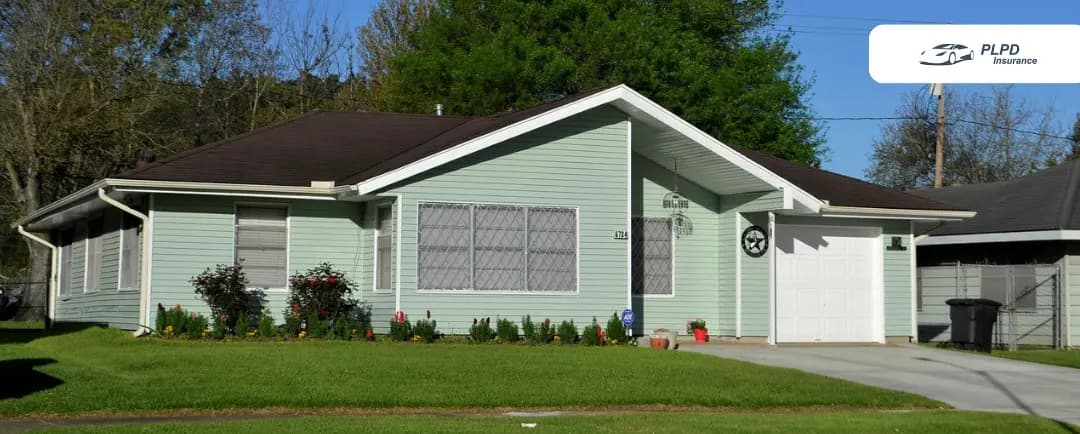
Whether you’re buying a homeowners insurance policy for the first time or considering switching to a different one, it’s important to understand your options. There are 8 common types of homeowners insurance, each designed to provide different levels of coverage.
In this article, you’ll learn about HO-1 through HO-8, including what each policy covers. By understanding the differences, you’ll be better equipped to choose the policy that best protects your home and belongings.
8 Types of Homeowners Insurance Policies
The type of homeowners insurance policy that you need depends on the size, type, and age of your home, along with factors such as location, crime rate, credit score, and insurance claims history. It also varies depending on whether you own the property or have rented it.
Here’s a detailed breakdown of the 8 common types of homeowners insurance policies to help you understand your options and choose the one that offers the right level of protection.
If you are looking for a reliable insurance agency in Michigan offering affordable homeowners insurance, consider exploring our wide range of solutions. Our regional offices located in Flint, Saginaw, and Mt. Pleasant are always available to help. Also, it is essential to know what is homeowners insurance before getting to know the types of policies.
HO–1: Basic Form
HO-1 is the most basic type of homeowners insurance policy; it only provides coverage for your home’s main building and attached structures like your garage. It does not include coverage for your personal belongings, liability costs, additional living expenses, or medical payments for others.
Most insurers no longer offer this policy especially due to its limited offerings, and low customer demand compared to other homeowners insurance policies.
Perils typically covered by HO-1 insurance include:
- Fire and lightning
- Wind, and Hailstorm
- Explosion
- Theft
- Vandalism
- Riots
- Damage from Vehicles or Aircraft
- Falling Objects
- Smoke
- Volcanic Eruptions
HO-2: Broad Form
HO-2 is known for its broad form coverage as it includes both attached and unattached building structures, personal belongings, liability costs, and additional living expenses. This makes HO-2 much more extensive compared to the HO-1 insurance policy, but its protection is limited as it only covers the 16 named perils listed below.
- Fire or lightning
- Windstorm or hail
- Explosion
- Riot or civil commotion
- Damage caused by aircraft
- Damage caused by vehicles
- Smoke
- Vandalism or malicious mischief
- Theft
- Falling objects
- Weight of ice, snow, or sleet
- Accidental discharge or overflow of water or steam
- Sudden and accidental tearing apart, cracking, burning, or bulging of plumbing or heating systems
- Freezing of plumbing, heating, air conditioning, or sprinkler systems
- Sudden and accidental damage from artificially generated electrical current
- Volcanic eruption
The broad form insurance policy is also almost obsolete in the market, like the basic form policy, due to its limitations of just covering named perils. Today, most insurers don’t cover the HO-2 insurance policy anymore.
HO-3: Special Form
The HO-3 special form insurance is the most common type of homeowners insurance policy, which accounts for 90% of all homeowners policies written in the U.S. It covers your building’s structure (both attached and detached), personal belongings, liability, additional living expenses, and medical payments to others.
Unlike HO-1 and HO-2 policies, the HO-3 covers your home under an open peril basis; this means it covers all perils except the ones that are specifically excluded, whereas HO-1 and HO-2 only cover named perils. However, your personal belongings are still covered on a named-peril basis, typically under 16 specific perils.
Additionally, HO-3 covers your home at replacement value, and personal belongings at actual cash value. If you want to cover your personal belongings at replacement value, then you need to purchase an add-on coverage like replacement cost coverage for a small fee.
The table below highlights the common open perils and exclusions under an HO-3 policy.
Common Open Perils (Covered Loss) | Exclusions (Not Covered) |
Fire or lightning | Earthquake or earth movement (landslide, sinkhole, etc.) |
Windstorm or hail | Flood, surface water, or water backup from sewers or drains |
Explosion | Neglect or failure to maintain property |
Volcanic eruption | War or nuclear hazard |
Weight of ice, snow, or sleet | Intentional or fraudulent loss |
Falling objects | Smog, rust, corrosion, or pollution |
Smoke | Wear and tear or gradual deterioration |
Theft | Mold, fungus, or pest infestation |
Vandalism or malicious mischief | Government action (seizure, demolition, or condemnation) |
Damage caused by aircraft or vehicles | Ordinance or law (upgrading to current codes) |
Riot or civil commotion | Faulty design, construction, or workmanship |
Accidental discharge or overflow of water or steam | Continuous or repeated water leakage or seepage |
Sudden and accidental tearing, cracking, or bulging of systems | Freezing damage while home is vacant (if precautions not taken) |
Freezing of plumbing, heating, or air conditioning systems | Power failure (if originating off-premises) |
Sudden and accidental damage from artificially generated electrical current | Intentional loss or neglect |
Note: Flood and earthquake are usually covered under separate policies. Some insurers offer add-on coverage for these perils, so check with your provider. Alternatively, you can explore the National Flood Insurance Program (NFIP) for flood coverage or insurers that provide earthquake coverage.
HO-5: Comprehensive Form
The HO-5 is called comprehensive form mainly because it includes everything in the HO-3 policy, but with significantly higher coverage. Additionally, the HO-5 policy covers both your home, and personal property at replacement value, whereas the HO-3 policy only covers your home at replacement value and personal belongings at actual cash value.
However, HO-5 policies are not offered by all insurers and typically come with higher premiums. They are often recommended for homeowners with expensive homes or high-value possessions, such as jewelry, fine art, collectibles, and other valuable items.
Just like the HO-3 policy, the HO-5 provides protection under an open peril basis with the following exclusions.
- Earthquake or earth movement (landslide, sinkhole, mudflow)
- Flood or sewer backup Power failure (off-premises)
- Nuclear hazard War Intentional loss Neglect
- Settling, cracking, or expansion of the building
- Pest infestations (rodents, insects, etc.)
- Mold, fungus, or rot (unless caused by a covered peril)
- Smog, rust, or corrosion Government action
- Vandalism of vacant properties (typically vacant for more than 60 days)
- Mechanical or electrical breakdown
- Pollutant discharge
- Theft from a building under construction
HO-6: Unit-Owners Form
The HO-6, or Unit-Owners Form, is designed specifically for condo or co-op owners. Unlike standard homeowners insurance, HO-6 primarily covers personal property, liability, and additional living expenses, while the building structure is typically insured under the condo association’s master policy.
HO-6 policies also protect improvements and upgrades you make to your unit, such as new flooring, built-in cabinets, or upgraded appliances. It also provides liability coverage that protects you if someone is injured in your unit, while additional living expense coverage pays for temporary housing if your condo becomes uninhabitable due to a covered peril.
Similar to HO-2 and HO-4, HO-6 covers personal belongings under a named-peril basis, often including the standard 16 perils. Optional endorsements, like replacement cost coverage for personal property or coverage for water backup and identity theft, can provide extra protection depending on your needs.
Here’s the list of named perils covered by an HO-6 insurance policy:
- Fire or lightning
- Windstorm or hail
- Explosion
- Riot or civil commotion
- Damage caused by aircraft
- Damage caused by vehicles
- Smoke
- Vandalism or malicious mischief
- Theft
- Volcanic eruption
- Falling objects
- Weight of ice, snow, or sleet Accidental discharge or overflow of water or steam
- Sudden and accidental tearing apart, cracking, burning, or bulging of plumbing, heating, air conditioning, or sprinkler systems
- Freezing of plumbing, heating, air conditioning, or sprinkler systems
- Sudden and accidental damage from artificially generated electrical current
HO-7: Mobile Home Form
The HO-7 is a specialized homeowners insurance policy designed for mobile or manufactured homes, including RVs, trailers, sectional homes, and modular homes. It provides coverage comparable to an HO-3 policy, but it is specifically tailored for homes that are not permanently fixed in one location. Like HO-3, HO-7 covers the dwelling and attached structures on an open-peril basis. Personal belongings, however, are typically covered under 16 named perils, similar to HO-2 coverage.
Like HO-3, HO-7 covers the dwelling and attached structures on an open-peril basis. Personal belongings, however, are typically covered under 16 named perils, similar to HO-2 coverage.
Here’s the list of named perils covered by an HO-7 insurance policy:
- Fire or lightning
- Windstorm or hail
- Explosion Aircraft Riot or civil commotion
- Smoke
- Vehicles
- Vandalism or malicious mischief
- Theft
- Volcanic eruption
- Falling objects
- Weight of ice, snow, or sleet
- Accidental discharge or overflow of water or steam
- Sudden and accidental tearing apart, cracking, burning, or bulging of plumbing, heating, air conditioning, or sprinkler systems
- Freezing of plumbing, heating, air conditioning, or sprinkler systems
- Sudden and accidental damage from artificially generated electrical current
HO-8: Modified Coverage Form
The HO-8, known as a modified coverage form, is a policy for old, or historic homes that have a high repair and rebuild cost. If you own an old home that’s built using older, or antique materials, it may be costlier to fix or replace due to its availability and market value.
If the same parts or materials are no longer available, then it may cost more to replace any structural component with new parts. The HO-8 coverage is a suitable policy for an old home as it provides standard coverage for dwelling, personal property, liability, additional living expenses, and medical payments.
Apart from the advantages of the HO-8 policy, it only covers the named perils listed below.
- Fire or lightning
- Windstorm or hail
- Explosion
- Riot or civil commotion
- Damage caused by aircraft
- Damage caused by vehicles
- Smoke
- Vandalism or malicious mischief
- Theft Volcanic eruption
It's important to note that an HO-8 policy typically does not cover perils such as:
- Flooding
- Earthquake
- Power failure
- Neglect
- War
- Wear and tear
- Pest
- infestations
- Mold or fungus
- Government action
- Theft from a building under construction
Given the limited coverage, HO-8 policies are often used for homes where the cost to replace the structure exceeds its market value, such as historic homes with unique construction materials or methods.
These policies typically reimburse claims based on Actual Cash Value (ACV), which factors in depreciation, rather than the Replacement Cost Value (RCV) used in more comprehensive policies.
If you own an older or historic home, it's advisable to consult with your insurance provider to ensure you have adequate coverage and to discuss any potential endorsements or additional policies that can cover excluded perils.
Homeowners Insurance Policy Comparison Table
Here’s a comparison table to help you distinguish among the 8 types of homeowners insurance policies.
Policy Type | Coverage Type | Dwelling Coverage | Personal Property Coverage | Modern Day Use |
HO-1 (Basic Form) | Named Perils | Limited perils (e.g., fire, lightning, windstorm) | Named perils | Rarely used; basic older policy form |
HO-2 (Broad Form) | Named Perils | Covers 16 named perils | Covers personal property for same 16 named perils | Standard policy for older homes; more coverage than HO-1 |
HO-3 (Special Form) | Open Perils (dwelling), Named Perils (personal property) | Covers all perils except exclusions | Covers 16 named perils | Most common policy; ideal for standard single-family homes |
HO-4 (Renter’s / Tenant’s Policy) | Named Perils | Not applicable (structure owned by landlord) | Covers personal property for 16 named perils | For renters; protects belongings and liability |
HO-5 (Comprehensive Form) | Open Perils | Covers all perils except exclusions | Covers personal property for all perils (open perils) | Premium policy; best for high-value homes and personal property |
HO-6 (Condo / Unit Owner’s Policy) | Named Perils | Limited to interior walls, fixtures, improvements | Covers personal property for named perils | For condo owners; protects interior and personal belongings |
HO-7 (Mobile Home Form) | Named Perils (personal property) / Open Perils (dwelling) | Covers all perils except exclusions | Covers 16 named perils | Designed for mobile or manufactured homes |
HO-8 (Modified Coverage Form) | Named Perils | Limited dwelling coverage (usually ACV) | Limited personal property coverage | For older or historic homes where replacement cost is greater than market value |
How to Choose the Right Homeowners Insurance Policy in Michigan?
Choosing the right homeowners insurance policy in Michigan depends on several factors, including the type, age, and value of your home, the coverage you need for personal belongings, and of course your budget.
Local risks, such as severe weather or regional crime rates, can also influence which policy is best for you. Here’s a general guideline to help you select the right homeowners policy in Michigan based on the protection offered by each of the 8 policy types.
- HO-1: Offers basic protection for your home’s structure and attached buildings, ideal if you want minimal coverage with limited covered perils.
- HO-2: Provides coverage for your home and personal belongings against specific named perils, a step up from HO-1.
- HO-3: The most popular choice, covering your home broadly against all perils except specified exclusions while protecting personal property for named risks.
- HO-4: Renters insurance for protecting personal belongings, liability, and additional living expenses.
- HO-5: Comprehensive protection for both your home and belongings at replacement cost, perfect for high-value homes or possessions.
- HO-6: Designed for condo owners, covering personal property, liability, and upgrades to your unit.
- HO-7: Specialized for mobile or manufactured homes, offering coverage similar to HO-3.
- HO-8: Modified coverage for older or historic homes, providing protection at actual cash value rather than replacement cost.
Final Tip: Properly Understand the Types of Homeowners Insurance Policies
Before purchasing or switching to another homeowners insurance policy, it’s essential to fully understand what each policy type covers. Once you compare their differences, evaluate which one best meets your coverage needs and budget.
If you find a policy that fits, great! You’ve identified the right protection for your home. If not, consider consulting with an insurance professional to explore your options, whether that’s one of the standard policies or a customized plan.
Need help choosing the right homeowners insurance policy in Michigan? Contact us today for a free quote and expert consultation.
Frequently Asked Questions (FAQ)
What are the three main types of homeowners insurance?
The three main types of homeowners insurance are HO-1 (Basic Form), HO-2 (Broad Form), and HO-3 (Special Form). Among these, HO-3 is the most common, offering the broadest protection by covering your home against all perils except those specifically excluded.
How many types of HO policy forms are there?
There are eight types of HO policy forms, ranging from HO-1 to HO-8, each designed for different types of homes and coverage needs, starting from basic protection (HO-1) to comprehensive coverage (HO-5), and specialized forms for renters, condos, mobile, or older homes.
What is the most common homeowners insurance?
The most common type of homeowners insurance is the HO-3 (Special Form) policy, which accounts for about 90% of all homeowners insurance policies written in the U.S. It provides broad coverage for your home against all perils except those specifically excluded and named-peril coverage for personal belongings.
What is HO-5 insurance?
HO-5 insurance, also known as the Comprehensive Form, is a homeowners policy that offers broader and more extensive coverage than a standard HO-3 policy. It protects both your home and personal belongings on an open-peril basis, meaning all perils are covered except those specifically excluded. Unlike HO-3, which typically covers personal property at actual cash value, HO-5 usually covers both the dwelling and personal belongings at replacement cost, making it ideal for homeowners with high-value homes or valuable possessions.
What is the difference between HO3 and HO6 homeowners insurance?
The main difference between HO-3 and HO-6 homeowners insurance is who they cover and what’s insured. HO-3 is for single-family homes, covering the dwelling on an open-peril basis and personal belongings on a named-peril basis, along with liability and additional living expenses. HO-6 is for condo owners, covering personal property, liability, and unit upgrades, while the building itself is insured under the condo association’s master policy.
Recent Posts
Does Renters Insurance Cover Bike Theft?
Does Renters Insurance Cover Vandalism?
Does Renters Insurance Cover Temporary Housing?
Categories
Life Insurance

Auto insurance
Insurance
Motorcycle Insurance
Renters Insurance
Homeowners Insurance
RV Insurance
Boat Insurance
Snowmobile Insurance
Follow Us