


 Back
BackDoes Renters Insurance Cover Hurricane Damage?
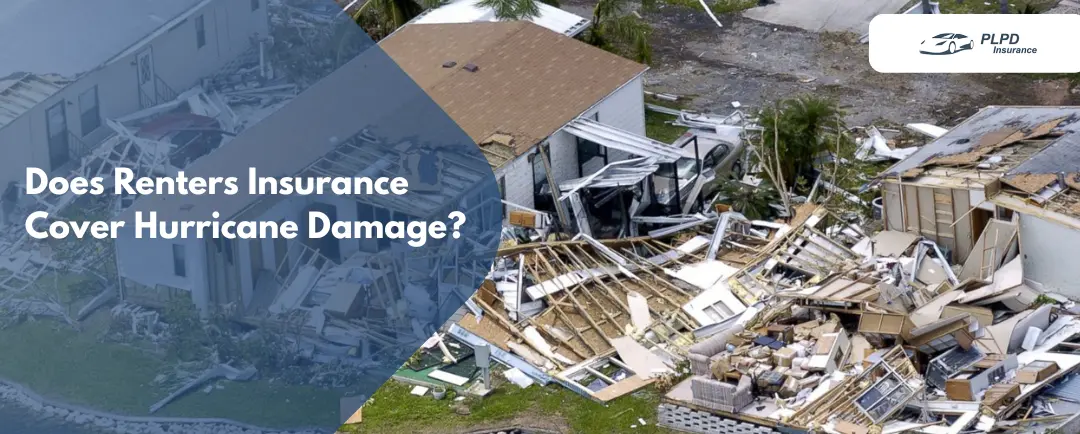
Yes, renters insurance does cover hurricane damage, but not as a single event; it specifically covers your personal belongings if the loss is caused by named perils that occur due to a hurricane. This can include wind damage, hailstorm damage, accidental fire, and damage from falling objects like trees, rocks, or any debris.
If your rental unit becomes unlivable due to covered hurricane damage, your loss of use or additional living expenses coverage can help pay for relocation and temporary housing costs.
However, it won’t cover the cost of repairing the building as it’s your landlord’s responsibility. It also does not cover flood-related damage, even though hurricanes often cause flooding from heavy rainfall or storm surge.
With renters insurance, you can only cover part of the damage caused by a hurricane, so it’s important to know to what extent renters insurance protects you from hurricane damage.
In this guide, you will learn how renters insurance covers hurricane damage, what it excludes, when you may need additional protection, and how to file a claim if your belongings are damaged.
How Does Renters Insurance Cover Hurricane Damage?
Your renters insurance policy can protect you against hurricane-related damage when the loss is caused by a named peril listed in your policy. Coverage typically applies through three main protections: personal property coverage, liability coverage, and loss of use or additional living expenses coverage.
Understanding how each of these coverages works will help you determine the level of financial protection you have before hurricane season begins, which usually occurs from June to November across several states in the U.S.
If you’re not currently insured, reviewing affordable renters insurance coverage options from a reliable insurer ahead of hurricane season can help reduce the financial risk of unexpected storm-related losses.
Personal Property Coverage
The most concerning financial risk during a hurricane is covering the loss of your personal belongings at home. While you can take shelter in the basement area or a nearby safe zone, it’s not always possible to move your furniture, electronic appliances, or even valuable items like jewelry or other expensive collectibles.
With renters insurance, personal property coverage can help pay to repair or replace your belongings if they are damaged by a covered peril, such as wind, hail, fire, or falling debris during a hurricane.
Keep in mind that coverage applies only when the damage results from one of the named perils listed in your policy. If you aren’t familiar with the covered perils of renters insurance, you should explore these two essential guides:
Liability Coverage
Liability coverage may apply if a guest is injured in your rental home during a hurricane and you are found legally responsible for the injury. In such cases, your renters insurance can help cover their medical expenses and, in some situations, repair or replace their damaged belongings, up to your policy’s coverage limit.
It’s important to understand that liability coverage does not apply simply because a hurricane occurs. If you were found negligent, or you failed to take reasonable precautions to prevent their injury or property damage, only then the liability coverage may cover their medical expenses and repair costs.
In case of a minor injury, your medical payments coverage may apply, which generally covers non-household members if they get injured on your rented premises.
Loss of Use or Additional Living Expense Coverage
If your rented home gets hit by a hurricane, it can cause significant structural damage to the building, which can make your rental unit unlivable until it’s repaired. You either need to rent another apartment, or you can temporarily stay at a hotel, or another house until your current rented home gets repaired, which can take a few weeks to several months.
It’s not so easy to find and move to another rented home immediately or on short notice. So, whether you decide to wait for your rented home to get repaired, or relocate to another building, you need to live somewhere for the time being.
The loss of use, also known as additional living expenses (ALE) coverage, will pay the cost of hotel stays, short-term rentals, increased food costs, laundry services, and other necessary living expenses until your rented home gets repaired, or till you move to another rented space.
What Hurricane Damage Is Not Covered by Renters Insurance?
Renters insurance covers hurricane-related damage only when the loss is caused by a named peril listed in your policy. Any damage that does not result from one of those covered perils is generally excluded.
Certain types of hurricane-related damage are typically not covered under a standard renters insurance policy. These commonly include structural damage to the building, flood damage, earth movement such as landslides, and losses resulting from power outages.
Here is a detailed breakdown of situations when hurricane damage is not covered by renters insurance.
Structural Damage to the Rental Building
If your rented home faces structural damage after a hurricane, whether it’s broken windows, damaged walls, or a torn roof, your renters insurance policy won’t cover the repair cost of your rental unit, nor any building structure.
Renters insurance is particularly designed to protect a tenant’s personal belongings, liability costs, and additional living expenses. It does not cover the rental building’s structural damage as that’s the landlord’s responsibility.
Flood Damage
While a flood is the most common outcome of a hurricane, typically due to heavy rainfall or storm surge, it is not a covered peril under a standard renters insurance policy. In fact, flood-related damages are covered by a separate flood insurance policy.
If you’re living in a flood-prone area, or if you’re concerned that a hurricane may lead to a flood and damage your personal belongings, you can ask your insurer if they provide flood insurance, or you can explore the National Flood Insurance Program (NFIP).
Learn More: Does Renters Insurance Cover Flood?
Damage from Sewer Water Overflow
In addition to flooding, hurricanes can overwhelm municipal drainage systems and cause water to back up through sewers or drains. This type of water damage can affect furniture, electronics, and other personal belongings inside your rental unit.
Standard renters insurance policies typically exclude damage caused by sewer or drain backup unless you have added a specific water backup endorsement. While sewer overflow may occur during heavy storms, it is treated differently from flood damage under most insurance policies.
If you’re concerned about this risk, review your policy to determine whether water backup coverage is included or available as an add-on.
Earth Movement (Landslide / Sinkhole)
If your personal belongings, such as household appliances, electronics, or furniture, get damaged due to earth movement or ground shifts, including landslides, mudslides, or sinkholes, your renters insurance policy will typically not cover the loss.
Earth movement is generally excluded under standard renters insurance policies, even when it occurs after heavy rainfall or as a secondary effect of a hurricane. These events are not included among the listed covered perils, so any damage caused by shifting, sinking, or unstable ground is usually excluded from coverage.
Power Outages
Electronic appliances such as refrigerators, washing machines, and desktop computers can be affected by electrical surges or sudden power outages during a hurricane. A power outage by itself is not a named peril under standard renters insurance policies, as coverage typically depends on the cause of the outage. If the outage occurs due to a covered peril, such as a windstorm, lightning strike, or an accidental fire, certain losses like food spoilage may be covered under some policies.
However, if any of your personal belongings are damaged due to a power outage from a non-covered hurricane peril, like a flood, or solely due to a power grid malfunction, your renters insurance policy won’t cover the loss.
Mold or Mildew Due to Residual Moisture
After a hurricane, excess moisture inside a rental unit can lead to mold or mildew growth, which may damage walls, furniture, and personal belongings. So, it’s important to carefully check different areas of your rental unit. If you notice any leakage, you should inform your landlord to get it fixed.
If there’s moisture on walls, furniture, electronic appliances, or other personal belongings, you should promptly get them cleaned and dried. If it’s found that you didn’t take reasonable steps to prevent mold or mildew from spreading after the initial damage, your renters insurance policy may not cover the mold-related damages, as they are often considered preventable or maintenance-related issues.
How to File a Renters Insurance Claim for Hurricane Damage?
When filing a renters insurance claim for hurricane damage, it’s important to clearly explain how the loss occurred. Hurricane itself is not covered as a single event; your policy will apply only if your personal belongings were damaged, or your rental unit becomes uninhabitable due to a covered peril, such as wind, accidental fire, explosion, or lightning.
- So, you need to be precise when you provide the details. Here’s a step-by-step guide to claim renters insurance for hurricane damage.
- Review your policy to confirm that the damage resulted from a covered peril listed in your renters insurance policy.
- Document the damage by taking photos, videos, and keep short notes describing how the incident occurred.
- File your claim promptly through your insurer’s website or mobile app, or contact them directly by phone.
- Be specific about the cause of loss. Instead of just stating hurricane damage, clearly mention the covered peril involved, such as wind damage or a lightning strike.
- Keep receipts and records of emergency purchases, hotel stays, and additional food expenses if your rental unit becomes uninhabitable, so you can request reimbursement under your Loss of Use coverage.
- Cooperate with the insurance adjuster during the inspection and verification process. Once the damage is confirmed to be caused by a covered peril, your covered losses will be reimbursed according to your policy limits and terms.
Will a Hurricane Damage Claim Increase Your Renters Insurance Premium?
Yes, just like any other claim, your renters insurance premium is likely to increase even for a hurricane damage claim. Severe storm damage claims like hurricanes can increase your renters insurance rates by 10% to 25% or more.
Even if you switch to another insurer, you’re still likely to face higher premiums, as your claims history will be reviewed to determine your premiums. However, the exact rate varies from one insurer to another, so it’s possible to get a cheaper policy with another reliable insurer.
The Bottom Line: Is Renters Insurance Worth It for Hurricane Damage?
Just take a moment and think about it, if there’s a hurricane tomorrow, there’s a high possibility that it can significantly damage your rental unit and your personal belongings. If you list down everything you own at home, would you be able to replace them if they’re completely damaged or destroyed?
More importantly, can you afford to temporarily live elsewhere until your rental unit is repaired, or till you shift to another building without any financial strain? If the answer’s a no, then yes, renters insurance is definitely worth it, as it can help you cover expensive repair/replacement costs of your belongings, and provide temporary living expenses.
If you live in a hurricane-prone area, then it's important to ensure you have adequate renters insurance coverage to cover any severe loss. If you need help choosing the right coverage at an affordable rate, you can contact us for expert advice with a free quote.
Frequently Asked Questions (FAQs)
Are renters responsible for hurricane damage?
As a tenant, you’re not responsible for any structural damage to your rental unit or the building. However, you’re responsible for your own personal belongings, and if they’re damaged due to a covered peril caused by the hurricane, renters insurance can help you cover the loss.
Does renters insurance cover wind damage from a hurricane?
Yes, renters insurance generally covers wind damage from a hurricane, since windstorm is typically listed as a covered peril under a standard renters insurance policy. Coverage applies to damage to your personal belongings, and loss of use coverage may apply if the rental unit becomes uninhabitable due to the wind damage.
Does renters insurance cover hurricane flooding?
No, standard renters insurance does not cover flood damage caused by rising water or storm surge. Flood-related losses require a separate flood insurance policy.
Does renters insurance cover food spoilage after a hurricane?
It may as food spoilage can be covered if the power outage was caused by a covered peril, such as wind or lightning. Keep in mind that coverage limits vary by policy.
Does renters insurance cover roof damage from a hurricane?
No, structural damage to the building, including the roof, is the landlord’s responsibility. Renters insurance only covers your personal belongings and additional living expenses.
How long do I have to file a hurricane damage claim?
Most insurers require you to file a claim as soon as reasonably possible after the damage occurs. The exact time limit depends on your insurer and state regulations.
Can I buy renters insurance right before a hurricane?
You can purchase renters insurance at any time, but coverage may not apply to damage from a storm that has already been forecasted or is in progress. Some insurers may also impose binding restrictions during active hurricane warnings.
Recent Posts

Does Renters Insurance Cover Bike Theft?
Does Renters Insurance Cover Vandalism?
Does Renters Insurance Cover Temporary Housing?
Categories
Life Insurance

Auto insurance
Insurance
Motorcycle Insurance
Renters Insurance
Homeowners Insurance
RV Insurance
Boat Insurance
Snowmobile Insurance
Follow Us