


 Back
BackDoes Renters Insurance Cover Flood?
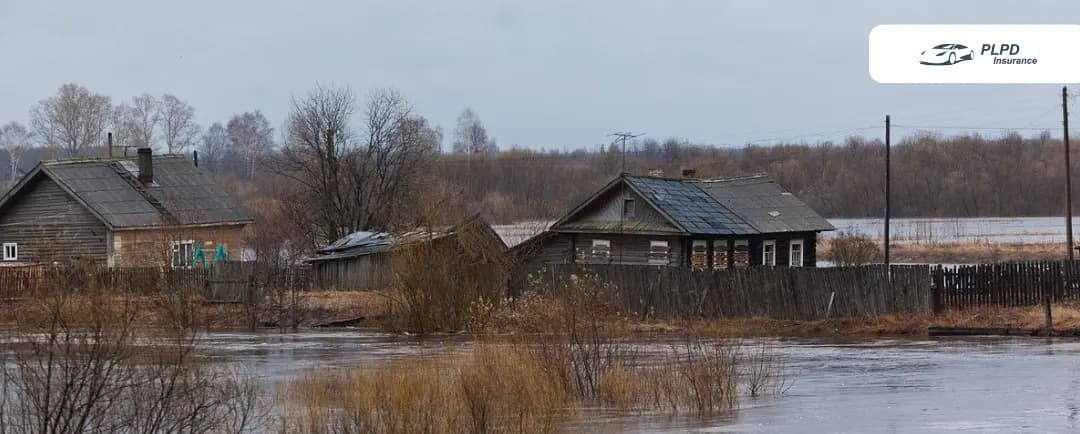
Ever wondered what will happen to your personal belongings if your rented home gets flooded, starting from basic essentials like your clothes and shoes to furniture, electronics, and other valuable possessions? Your landlord’s insurance only covers the building and its structural components, not your personal belongings.
Now, as a tenant, you might be wondering whether renters insurance covers floods? Unfortunately, not. If you need to safeguard your personal belongings against flood damage, you will need to acquire a separate flood insurance policy through the NFIP (National Flood Insurance Program) or private insurers who offer flood insurance.
No matter where you’re located in the U.S., there’s a risk of flooding everywhere! Flood risk zones are classified into three categories: low risk, moderate risk, and high risk. Even if you’re located in a low-risk zone, there’s still a substantial risk of flood damage. According to FEMA, about 25% of flood insurance claims come from low-moderate risk flood zones.
When it comes to high-risk zones, it’s very important to have adequate flood insurance coverage. Given that Michigan, the Great Lake State, is among the high-risk states in the U.S., this article focuses on flood insurance solutions for renters in Michigan.
Why Isn’t Flood Covered by Renters Insurance?
If you understand what renters insurance is and what it covers, you might wonder why it includes certain types of water damage but excludes floods. While renters insurance typically covers sudden and accidental water damage, such as burst pipes, appliance leaks, water damage from rain entering through a damaged roof, or leaks from a neighboring unit, flood damage is fundamentally different.
Floods are considered widespread and catastrophic events, often affecting multiple properties at the same time. In insurance terms, a flood usually involves water rising from the ground due to heavy rainfall, overflowing rivers, storm surge, or rapid snowmelt. As these events can cause large-scale losses, they’re excluded from standard renters insurance policies.
This is why flood damage is covered under a separate flood insurance policy, either through the National Flood Insurance Program (NFIP) or private insurers. In short, renters insurance excludes floods, not because water damage isn’t covered, but because flooding falls under a different category of risk altogether.
It’s important to keep in mind that renters insurance still plays a crucial role in protecting against non-flood-related water damage and other covered perils. Choosing a reliable renters insurance provider in Michigan that provides affordable renters insurance coverage can help ensure you’re adequately protected against everyday risks that flood insurance doesn’t cover.
Can Renters in Michigan Get Flood Insurance?
Yes, renters in Michigan can get flood insurance either through the Government’s NFIP program or from private insurers that offer flood coverage directly or in partnership with the NFIP.
While exploring flood insurance for renters in Michigan, it’s essential first essential to know the eligibility criteria and legal requirements as follows.
Eligibility for Renters
It’s important to understand the eligibility requirements in Michigan if you plan to purchase flood insurance as a tenant. The good news is that flood insurance eligibility for renters in Michigan is straightforward and generally follows FEMA’s NFIP guidelines.
Here, the key requirement is community participation. Your rented home must be part of the NFIP community, which includes countries and cities that have adopted FEMA’s floodplain management standards.
Fortunately, most countries, and cities in Michigan are part of the NFIP community, which means there’s a high chance that you’re eligible for the government-provided flood insurance policy.
f you’re unsure whether your community participates in the NFIP, you can confirm this by checking FEMA’s official Michigan status report.
Legal Requirements in Michigan
According to Michigan’s insurance law, it is not legally mandatory for renters to have flood insurance in Michigan. However, if you’re located in a high-risk flood zone, your landlord may require you to have flood insurance as a part of the lease agreement. This requirement would be based on the terms you agreed to, not a state law.
Before signing the lease agreement, make sure to review it carefully. Although it is not a common practice for landlords in Michigan to require flood insurance, if it’s specified in your lease agreement and if you agree to it, then you’re legally obligated to obtain and maintain the coverage.
How Likely Are Floods in Michigan?
Michigan’s geography and climate make it particularly vulnerable to flooding. The state is surrounded by four of the five Great Lakes, including Lake Superior, Lake Michigan, Lake Huron, and Lake Erie, which is why it’s known as the Great Lakes State. When accounting for the surface area of these lakes, nearly 41.5% of Michigan’s total area is covered by water, giving it one of the highest water-to-land ratios in the U.S.
In addition to the Great Lakes, Michigan has thousands of inland lakes and rivers and more than 3,200 miles of freshwater shoreline, the longest in any state. This extensive shoreline and dense river network significantly increase the risk of flooding, especially during heavy rainfall and severe storms.
Michigan receives an average of 33 to 39 inches of precipitation annually, with higher rainfall levels typically occurring in the southeast and southwest regions. Flood risk isn’t limited to the warmer months either; the rapid snowmelt after winter can also cause rivers and lakes to overflow, leading to seasonal flooding.
Given its unique geography, extensive water systems, and climate patterns, Michigan is highly susceptible to flooding, making flood risk a serious concern for renters across the state.
How Necessary is Flood Insurance for Renters in Michigan?
Flood risk in Michigan isn’t just limited to designated high-risk zones. Even properties located in low-risk flood zones can experience severe flooding due to shifting weather patterns, severe storms, overflowing rivers, or flooding in nearby areas. In fact, a significant number of flood losses occur outside high-risk zones throughout Michigan.
If your rented home is in moderate or high-risk zones in Michigan, there’s a substantial risk that your personal belongings can get severely damaged during dreadful floods if the water level is high to submerge your furniture, electronics, and other valuable personal belongings.
According to FEMA statistics, there were 217 flood insurance claims between 2022 and 2023 with a total payout of $5.59 million. Between the years 2023 and 2024, the number of flood insurance claims increased to 255 with an NFIP payout of $6.01 million.
Based on the severity of flood risk in Michigan, as a tenant you should consider adequate flood insurance coverage because neither your renters insurance, nor the landlord’s insurance covers flood damage, which makes it a critical choice for your financial protection.
How Flood Insurance Works for Renters in Michigan?
While shopping for flood insurance in Michigan, it is essential to know how it works for renters. Typically, when you’re buying flood insurance as a renter, you will get contents-only coverage to protect your personal belongings for a coverage limit of up to $100,000.
Unlike renters insurance, flood insurance does not cover your personal belongings at replacement value. If they get damaged by a flood, you will get reimbursed in actual cash value (ACV).
For example, if your personal belongings originally cost $50,000 and were damaged by a flood after two years of use, the insurer would subtract depreciation from each item. Your claim payout would be based on the current value of those items at the time of the loss, not what it would cost to replace them with brand-new equivalents.
When Does Flood Insurance Cover Renters?
Flood insurance for renters provides coverage when personal belongings are damaged by qualifying flood events, as defined by the policy. In general, flood insurance covers renters in the following situations:
- Rising water from heavy rainfall that enters the rental unit
- Overflowing rivers, lakes, or streams that cause flood damage
- Storm surge or coastal flooding from severe storms
- Rapid snowmelt that leads to water intrusion
- Mudflow or runoff directly caused by flooding
- Damage to personal belongings such as furniture, electronics, clothing, and appliances caused by floodwater
It’s important to keep in mind that coverage only applies when the damage is caused by flooding as defined by the policy, not by other types of water damage.
When Flood Insurance Doesn’t Cover Renters?
Flood insurance has clear limitations, and it does not cover every type of water-related damage. In general, flood insurance does not cover renters in the following situations:
- Water damage not caused by flooding, such as burst pipes or appliance leaks
- Rainwater intrusion due to roof leaks, poor maintenance, or structural issues
- Sewer or drain backups unless directly caused by flooding
- Moisture, mold, or mildew damage that could have been prevented
- Temporary housing or relocation costs after a flood Personal belongings stored outside the insured unit, such as in a yard or open balcony
- Damage that occurs before the policy’s waiting period ends (NFIP flood insurance policies have a 30-day waiting period before coverage becomes active)
Understanding these exclusions helps renters avoid coverage gaps and unexpected out-of-pocket expenses after a flood.
Does Flood Insurance Cover Basements?
For renters, flood insurance typically does not cover personal belongings stored in basements. Items such as furniture, electronics, clothing, rugs, and décor are generally excluded from flood insurance coverage when they’re kept below ground level.
While flood insurance may cover certain essential building systems located in a basement, this coverage usually applies to the structure itself rather than a renter’s belongings.
As personal belongings are excluded, as a tenant, you should avoid storing valuable items in basements and review your policy terms carefully to understand what is and isn’t covered.
How Much Does Flood Insurance Cost in Michigan?
The average cost of flood insurance in Michigan is approximately $74 per month, or $888 per year, according to Policygenius. However, flood insurance premiums can vary significantly depending on where you live within the state.
For example, NFIP flood insurance premiums may be higher in cities with greater flood exposure and lower in areas with reduced flood risk. In some Michigan cities, annual premiums can range from $516 to over $2,000, depending on factors such as flood zone designation, elevation, and coverage limits.
Ultimately, your actual flood insurance cost will be determined by the level of flood risk associated with your location and property. The average figures above are meant to provide a general estimate of what renters in Michigan might expect to pay.
How Should Renters Get Flood Insurance in Michigan Through NFIP?
Renters in Michigan can get flood insurance through the National Flood Insurance Program (NFIP) by following these simple steps:
- Confirm community participation by checking FEMA’s Community Status Book to ensure whether your rental property is located in an NFIP-participating city or county.
- Find a FEMA-Approved property/casualty insurance provider and contact them to get a quote (policies are issued through approved insurers, not directly by FEMA).
- Choose contents-only coverage for your personal belongings, with limits of up to $100,000.
- Review policy details carefully, including deductibles, exclusions, and coverage limits.
- Be aware of the waiting period, as most NFIP policies have a 30-day waiting period before coverage begins.
- Purchase and maintain the policy by paying premiums on time and keeping coverage active throughout your tenancy.
Following these steps helps ensure your personal belongings are protected from flood damage under an NFIP-backed policy.
The Bottom Line: Protect Your Belongings Against Flood Before it's Too Late
Just like any accident, natural disasters like floods pose a major threat to your personal belongings. If your area gets flooded tomorrow, and your personal belongings in your rented home, or your car’s trunk, are submerged by flood. Will you be able to cover the loss of all your personal belongings, especially if you need to replace them?
If the answers no, then you should definitely consider getting flood insurance. Remember, even low-risk flood zones can be severely affected by floods. If your rented home is located in a moderate or high-risk zone, then it’s highly recommended to ensure adequate flood insurance coverage before it's too late.
For optimal financial protection, you should have both renters insurance and flood insurance to secure your personal belongings and high-value items. If you need help finding the right coverage, contact us today for a free quote.
Frequently Asked Questions (FAQ)
Do renters have to carry flood insurance?
No, renters are not legally required to carry flood insurance. However, a landlord may require flood insurance as part of the lease agreement. Even when it’s not required, flood insurance can be a smart option for renters in flood-prone areas since standard renters insurance does not cover flood damage.
Is flood insurance included in renters insurance?
No, standard renters insurance does not cover flood damage. Flood insurance must be purchased separately through the NFIP or a private insurer.
Does flood insurance cover water damage from heavy rain?
Only if the damage meets the policy’s definition of a flood, such as rising water from the ground. Rain-related leaks or roof damage are typically covered by renters insurance, not flood insurance.
How quickly does flood insurance take effect?
Most NFIP flood insurance policies have a 30-day waiting period before coverage begins, with limited exceptions. Is flood insurance worth it for renters in low-risk zones? [H3] Yes, flooding can occur outside high-risk areas, and many flood insurance claims come from low- to moderate-risk zones.
Recent Posts

Does Renters Insurance Cover Bike Theft?

Does Renters Insurance Cover Vandalism?
Does Renters Insurance Cover Temporary Housing?
Categories
Life Insurance

Auto insurance
Insurance
Motorcycle Insurance
Renters Insurance
Homeowners Insurance
RV Insurance
Boat Insurance
Snowmobile Insurance
Follow Us