


 Back
BackDoes Renters Insurance Cover Vandalism?
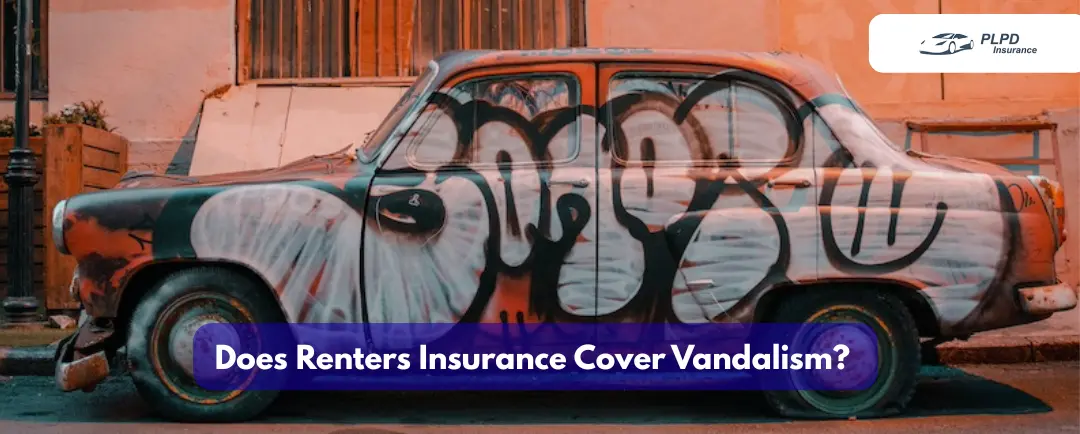
The sheer thought of vandalism itself is terrifying. If you become a victim of vandalism, your personal belongings can get severely damaged, and if there is structural damage, your rental unit can become unlivable until it’s repaired.
So, does renters insurance cover the loss incurred from vandalism? The short answer is yes, it covers your personal belongings, and even temporary housing expenses if your rental unit is uninhabitable due to the damage from vandalism.
Incidents like broken windows, graffiti, or intentional property damage, can lead to costly losses. Understanding how your renters insurance policy responds can help you know what’s protected and when coverage applies.
What is Vandalism?
Vandalism refers to the intentional damage or destruction of public or private property, including someone’s personal belongings. It typically involves deliberate acts meant to cause harm, such as breaking, defacing, or tampering with property.
In a rental setting, vandalism can affect both your personal belongings and parts of your unit. Common examples include broken windows, graffiti, damaged furniture, household appliances, and other high-value items.
Is Vandalism a Covered Peril in Renters Insurance?
Yes, vandalism is a covered peril in renters insurance. So, if someone damages your personal belongings through vandalism, your renters insurance policy can cover the loss up to your coverage limits. However, damage to the rental unit itself is typically covered by your landlord’s insurance.
Learn More: What is Renters Insurance and What Does it Cover?
How Does Renters Insurance Cover Vandalism?
Renters insurance covers vandalism primarily through personal property coverage, which pays for the repair or replacement of your damaged belongings, up to your policy limits.
If the damage makes your rental unit unlivable, loss of use coverage, also known as additional living expenses (ALE), can help pay for temporary housing, meals, and other necessary living costs while repairs are being completed.
If you’re considering renters insurance to protect your personal belongings and alternative housing costs, then it’s important to understand how these coverages specifically work and when they apply if you’re at a loss due to vandalism.
Let’s explore how each of the following renters insurance coverages applies when you experience a loss due to vandalism.
Personal Property Coverage
Personal property coverage is the main part of your renters insurance policy that protects your belongings against vandalism. If your items are intentionally damaged, destroyed, or stolen during a vandalism incident, your policy can help pay to repair or replace them, up to your coverage limits.
This coverage typically applies to everyday items such as furniture, electronics, clothing, and appliances. For example, if a vandal breaks into your rental unit and damages your TV, laptop, or furniture, your renters insurance can cover the cost of repairing or replacing those items.
Most policies reimburse you based on either actual cash value (ACV) or replacement cost value (RCV). ACV accounts for depreciation, meaning you’ll receive the current value of the item, while RCV pays the full cost to replace it with a similar new item.
It’s also important to note that coverage may be subject to deductibles and sub-limits, especially for high-value items like jewelry or collectibles. Keeping an updated home inventory with photos and receipts can make it easier to file a claim and receive accurate compensation.
Loss of Use / Additional Living Expense Coverage (ALE)
If your rental home becomes uninhabitable due to vandalism, this coverage can help pay for the additional costs you incur while your unit is being repaired. It ensures you can maintain your normal standard of living even when you’re temporarily displaced.
This may include expenses such as hotel stays, short-term rentals, increased food costs, transportation, and other necessary living expenses. For example, if the damages from vandalism leave your rental unit uninhabitable, your policy can help cover a hotel and meals until you’re able to return.
Keep in mind that the loss coverage applies only when the damage is caused by a covered peril and is subject to policy limits and time restrictions. Reviewing your policy can help you understand how long you’re covered and which expenses qualify for reimbursement.
Medical Payments Coverage
If a guest or visitor gets injured due to vandalism in your rental unit, your medical payments coverage may cover minor medical expenses, such as hospital visits, basic treatments, or first aid costs.
However, this coverage does not apply to your own injuries, as it is specifically designed for guests or visitors. In most cases, renters insurance covers vandalism primarily through personal property and loss of use coverage, since these incidents mainly involve damage to belongings.
In addition to your overall limit, certain items are subject to sub-limits, meaning there’s a cap on how much your insurer will pay for specific categories, even if your total coverage is higher.
According to the Zebra, common renters insurance sub-limits include:
- Jewelry and watches: Often capped at around $1,500
- Cash and currency: Typically limited to about $200 to $250
- Electronics or firearms: May have limits around $2,500, depending on the policy terms
- Off-premises belongings: Items kept outside your home (like in a storage unit, or your car) are often limited to 10% of your total personal property coverage
For instance, if your policy covers $30,000 in personal property but your stolen jewelry is worth $3,000, you may only be reimbursed up to the $1,500 sub-limit unless you’ve added extra coverage.
You’ll also need to pay a deductible before your insurance applies. This is the amount you pay out of pocket on a claim. For example, if your deductible is $500 and your covered loss is $2,000, your insurer would typically pay $1,500.
As limits and deductibles may apply, it’s important to review your policy and consider additional coverage for high-value items. This helps ensure you’re fully protected if your belongings are damaged or stolen due to vandalism.
When Does Renters Insurance Cover Vandalism?
Renters insurance covers vandalism when the damage is caused by a covered peril and affects your personal belongings. As long as the act is intentional and done by someone else, your policy can help pay for the repair or replacement of your damaged items, up to your coverage limits.
Coverage typically applies in situations such as:
- Break-ins or forced entry: If someone breaks into your rental unit and damages your belongings
- Intentional property damage: Graffiti, broken windows, or vandalized furniture
- Damage during theft or attempted theft: Even if nothing is stolen, damage caused during the incident may still be covered
- Off-premises incidents: Belongings damaged by vandalism outside your home (such as in your car) may still be covered, subject to policy limits
In addition, if the vandalism makes your rental unit uninhabitable, your policy may also cover temporary living expenses through loss of use coverage while repairs are being completed. As long as the damage is sudden, intentional, and caused by a third party, renters insurance will generally cover vandalism-related losses within the terms of your policy.
When Does Renters Insurance Not Cover Vandalism?
While renters insurance generally covers vandalism, there are several situations where your claim may be denied or limited. Understanding these exclusions can help you avoid unexpected out-of-pocket costs.
Renters insurance typically does not cover vandalism when:
- If you or someone in your household deliberately causes the damage
- If your rental unit is left vacant for 30 days or more, coverage may be excluded
- If the damage results from failing to properly secure your home, (such as leaving doors or windows unlocked) may lead to a denied claim
- Structural damage to the building, such as walls, floors, or fixtures, is typically covered by your landlord’s insurance
- If the damage or loss exceeds policy limits or sub-limit, you will have to cover the remaining cost out of pocket.
It’s also important to note that renters insurance does not cover vandalism damage to your car. Damage to your vehicle is typically covered under a separate auto insurance policy, specifically through comprehensive coverage.
However, personal belongings inside your car, such as a laptop, phone, jewelry, or artwork, may still be covered, usually up to 10% of your total personal property coverage.
Does Your Landlord’s Policy Cover Vandalism?
Yes, your landlord’s insurance policy typically covers vandalism but only for the structure of the building, not your personal belongings. If vandalism damages parts of the rental unit, such as walls, floors, doors, or fixtures, your landlord’s policy will usually cover the repair costs. This means you won’t be responsible for fixing structural damage caused by vandals.
In order to financially protect your personal belongings like your furniture, household appliances, collectibles, high-value items, and even regular daily essentials like clothes, you will need to have an active renters insurance policy with adequate personal property and loss of use (ALE) coverage.
What to Do When Your Rental Unit and Personal Belongings Get Vandalized?
If your rental unit or personal belongings are vandalized, it’s important to act quickly. Here’s what you should do.
- Ensure your safety first: If the damage involves a break-in or suspicious activity, make sure the area is safe before entering and contact local authorities if needed.
- Report the incident to the police: File a police report as soon as possible, as insurers often require it when processing vandalism claims.
- Document the damage: Take clear photos and videos of all affected areas and damaged belongings to support your claim.
- Notify your landlord: Inform your landlord about any structural damage so they can arrange repairs.
- Secure your rental unit: Take temporary steps like boarding up broken windows or fixing locks to prevent further damage.
- Contact your insurance provider: Report the claim promptly and provide all necessary details, including the police report and documentation.
- Keep receipts and records: Save receipts for temporary repairs, replacements, or additional living expenses, as these may be reimbursed.
How to File a Renters Insurance Claim for Vandalism
Filing a renters insurance claim for vandalism is a straightforward process, but acting quickly and providing the right documentation can help ensure a smooth experience. Here’s how you do it.
- Notify your insurance company: Contact your insurer as soon as possible and report the vandalism incident with basic details of what happened.
- Provide a police report: Most insurers require an official police report to verify the incident, so be sure to submit a copy.
- Document your losses: Share photos, videos, and a detailed list of damaged or stolen items, including their estimated value.
- Complete the claim form: Fill out any required claim forms accurately and provide supporting documents such as receipts or proof of ownership.
- Work with the claims adjuster: Your insurer may assign an adjuster to assess the damage and determine the payout amount.
- Receive your settlement: Once your claim is approved, you’ll receive compensation based on your policy terms, coverage limits, and deductible.
Vandalism is a criminal incident, so reporting it immediately and keeping detailed records can help speed up your claim and improve your chances of full reimbursement.
Is Renters Insurance Worth It for Vandalism Coverage in Michigan?
Yes, renters insurance is worth it for vandalism coverage in Michigan, especially when you consider the potential cost of replacing your belongings out of pocket.
According to ConsumerAffairs, 184 burglaries have occurred in Michigan in 2024, highlighting that property-related crimes still occur and can put your belongings at risk. While burglary and vandalism are not the same, both involve intentional damage or loss that renters insurance is designed to cover.
Even though many areas in Michigan are generally safe, there’s no guarantee your rental unit won’t be affected by vandalism. A single incident, such as a break-in or intentional property damage can lead to significant financial loss.
The average cost of renters insurance in Michigan is around $21.60 per month or $260 per year, which is a small price compared to replacing expensive items like electronics, furniture, or appliances at your own expense after a vandalism incident.
In addition to protecting your belongings, renters insurance can also cover temporary living expenses if your rental becomes uninhabitable. Overall, it provides valuable financial protection against unexpected losses caused by vandalism.
The Bottom Line: Keep Your Personal Belongings Protected With Renters Insurance
If someone breaks into your home and vandalizes your personal belongings, the financial impact can be significant and completely unexpected. From damaged electronics and furniture to temporary housing costs, the expenses can quickly add up if you’re not prepared.
By understanding your coverage limits, exclusions, and how the claims process works, you can make more informed decisions and avoid costly surprises. If you want to safeguard your belongings and explore affordable coverage options, you can contact us to get expert advice with a free quote.
Frequently Asked Questions (FAQs)
Does renters insurance cover vandalism outside the home?
Yes, renters insurance may cover vandalism to your belongings outside your home, such as in your car or storage unit, but coverage is usually limited to about 10% of your personal property coverage.
Do I need a police report for a vandalism claim?
In most cases, yes. Insurers typically require a police report to verify the incident and process your claim.
Will renters insurance cover graffiti damage?
Yes, renters insurance can cover damage to your personal belongings caused by graffiti, as long as vandalism is a covered peril under your policy.
Does renters insurance cover vandalism by roommates?
It depends. If the damage is intentional and caused by someone listed on your policy, it’s usually not covered. If the roommate is not on your policy, coverage may apply depending on the situation.
Can I claim renters insurance for both stolen and vandalized items?
Yes, if a break-in involves both theft and vandalism, your renters insurance can cover both types of losses under personal property coverage.
Recent Posts

How Does Car Insurance Work After a Hit-and-Run in Michigan?

Are Older Cars Cheaper to Insure?

How to File a Renters Insurance Claim?
Categories
Life Insurance

Auto insurance
Insurance
Motorcycle Insurance
Renters Insurance
Homeowners Insurance
RV Insurance
Boat Insurance
Snowmobile Insurance
Follow Us