

 Back
BackWhat Does Boat Insurance Cover?
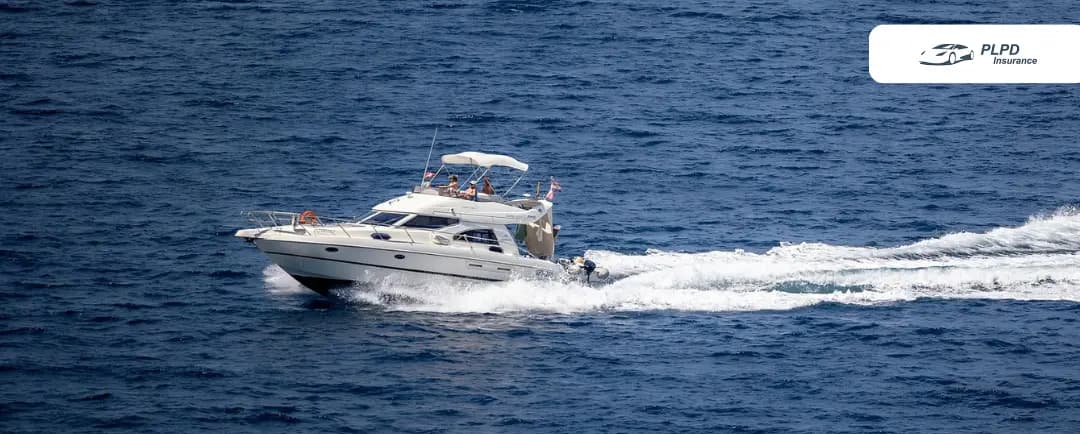
The harsh truth is that your boat is never actually safe. Whether you’re sailing or have it safely docked at the harbor, it is always prone to accidental damage and even theft. According to the U.S. Coast Guard, there have been 3,887 accidents in 2024, which led to 2,170 injuries, 556 deaths, and $88 million in property damage due to recreational boating incidents.
If you compare the boat accident trend in the last 3 years, the report shows 4,040 accidents in 2022, and 3,844 accidents in 2023. Even though the number of boat accidents has slightly fallen, it is still around 4,000 accidents per year, which is an alarming number.
Apart from accidents, the risk of boat theft is another major concern. Based on NICB data, about 500 boats are stolen each year in the U.S. Now, if you’re exploring boat insurance to financially secure yourself from accidents, thefts, and other unexpected events, it is important to know what boat insurance covers.
So, whether you’re new to boating or considering boat insurance for the first time or simply looking to upgrade your existing policy, this article explains everything you need to know.
What is Boat Insurance?
Boat insurance is a specialized policy that’s designed to financially protect you from liability claims, cover your boat’s repair/replacement costs, and pay the medical bills of you and your passengers up to your coverage limits.
Typically, the standard boat insurance policy is specifically made to cover financial expenses or loss from accidental damage and theft. Depending on the policy, it may also include coverage for towing, personal belongings, fuel spill, and sunken boat recovery for additional protection.
Planning a recreational boating experience in Michigan? Explore a reliable Michigan insurance agency to purchase an affordable boat insurance policy with extensive coverage options within your budget. We are available to help you understand what boat insurance is and provide insightful guidelines to choose the right coverage.
Why Do You Need Boat Insurance?
If you consider the national average of boat accidents in the U.S., about 4,000 boat accidents and 500 boat thefts occur per year. This means there’s a high chance of financial loss due to your boat’s accidental damage or theft.
Now, if you’re uninsured, you will have to pay for your boat’s entire repair or replacement cost out of pocket. If it’s stolen, you lose your entire investment. More importantly, if you’re at fault for the boat accident, and if the other person files a liability claim, you will have to cover their medical fees and property damage.
In this case, if you don’t have boat insurance and if you’re unable to even pay out of pocket, you may get sued, which can lead to the extra financial burden of dealing with court proceedings, fines, and other legal penalties.
Apart from all these risk factors, boat insurance is often required to rent a boat, finance one with a loan, or dock it at most harbors. So, without coverage, you’re not only exposed to major financial risk, you may also be unable to legally operate, finance, or store your vessel.
What Does Boat Insurance Cover?
The extent of financial protection you get from your boat insurance policy depends on the coverage you’ve purchased. Here’s an overview of 14 types of boat insurance coverage, and how they cover you from financial risks such as liability claims, accidents, theft, fuel leakage, personal belongings, boat recovery, and towing.
Liability Coverage
Your boat’s liability coverage pays the medical bills to the other boater and their passengers for an accident in which you’re at fault for the accident. Additionally, it also covers repair/replacement costs for property damage for another person’s boat, vehicle, building, or any tangible asset.
Keep in mind that these expenses are covered only up to your policy’s limits, so it’s important to choose adequate coverage to ensure you’re fully protected.
Collision Coverage
Collision coverage specifically covers the repair/replacement cost of your boat when you accidentally collide with another boat, vehicle, or object. It will also cover your boat while it’s safely docked at the harbor, or parked in your garage, and accidentally gets damaged when another boat, water vessel, or vehicle hits your boat.
Apart from these major impacts, collision insurance also covers damage repairs, or replacements when your boat hits or gets in contact with submerged rocks, boulders, fishing nets, or other sunken objects.
Comprehensive Coverage
Your boat is susceptible to financial risks even when you’re not using it. While it’s safely docked at the harbor, you may think it’s safe, but is it? Apparently not, unexpected events like theft, vandalism, fire, and extreme weather conditions like severe storms can cause significant damage.
Comprehensive boat insurance covers these unexpected events that are beyond your control. If your boat is fixable, the comprehensive coverage will pay for its repair expenses however, if it’s stolen or damaged to the point where it’s beyond repair, your comprehensive boat insurance will cover its replacement costs up to your coverage limit.
Uninsured/Underinsured Boater Coverage
Uninsured/underinsured boater insurance covers the liability costs of the other boater if they’re at fault for the accident, but are unable to pay the medical fees of you and your passengers, along with your boat’s repair/replacement costs due to having inadequate liability coverage or none at all.
According to estimates by the National Marine Manufacturers Association (NMMA), among 13 million registered boats in the U.S., about 40% are insured. So, that means there’s a good chance you could encounter an uninsured boater. Without uninsured/underinsured boater coverage, you’d have to rely on another type of insurance or, worse, pay the costs out of pocket if the at-fault boater can’t pay.
Medical Payments Coverage
Medical payments coverage, often called MedPay, helps pay for medical expenses if you or your passengers are injured in a boating accident, regardless of who is at fault. This includes hospital bills, ambulance fees, surgeries, X-rays, and even rehabilitation costs resulting from the accident.
It ensures that you get immediate financial assistance for treatment costs without waiting for fault to be determined or for another insurance claim to process. In short, MedPay offers an added layer of financial security, helping cover medical costs that your health insurance might not fully cover after a boating accident.
Fishing Equipment and Personal Belongings Coverage
Your fishing equipment and personal belongings, such as your phone, laptop, clothing, furniture, and jewelry, can get damaged or destroyed in a boat accident. Or they may even get stolen. This coverage reimburses the cost to repair or replace your items at their replacement value, up to your policy limits.
Fuel Spill Coverage
The fuel spill coverage pays the cleanup cost and legal fees if your boat’s fuel accidentally leaks into the water. This coverage is also called pollution spill coverage. Typically, it can cost you a few thousand to tens of thousands of dollars to compensate for an accidental fuel spill, depending on the amount of fuel, where it happened (land or water), and the extent of labor and equipment required to clean it.
An accidental fuel spill can happen any time, and with fuel coverage insurance, you can stay financially protected whether the spill happened due to a leaking tank, a mishap at the gas station, an accidental collision, or from your sunken boat.
Towing and Assistance Coverage
Your boat can get stranded on the water, and if its engine is disabled, you will have to get it towed back to the harbor or to a repair shop. On-water towing can be expensive; on average, it can cost you $250 to $300 per hour or more.
With the towing and assistance coverage, you can cover these expenses with your boat insurance policy. Typically, this coverage pays for towing a boat to the shore, harbor, or the repair shop, emergency boat repair, and fuel delivery.
Wreckage Removal Coverage
Whether you’re sailing your boat on the water or it’s afloat at the dock, it can sink at any time due to accidental damage. Regardless of how your boat sinks, the wreckage removal coverage will pay the cost of getting your sunken boat out of the water and towing it to the harbor, or straight to the repair shop.
If your boat is beyond repair, this coverage also pays for the proper disposal or dismantling of the damaged vessel. Although this is an optional add-on, it’s best to keep the wreckage removal coverage, as the cost of retrieving your sunken boat can go up to $5,000 to $10,000, depending on the size of your boat.
Roadside Assistance Coverage
You may need to transport your boat from one location to another, or to the nearest repair shop. The boat roadside assistance covers the on-road towing expense to transport your boat.
Whether your boat is disabled or you simply need to transport your boat by road, the roadside assistance coverage provides the trailer towing expense. In case you have a boat trailer, and if it gets damaged or needs a flat tire replacement, this coverage also pays for moving your trailer along with your boat.
Total Loss Replacement Coverage
The total loss replacement coverage pays the original purchase price of your boat if it gets stolen or damaged to the point that it’s beyond repair. For example, if you’ve purchased your boat for $50,000, and now if it’s declared a total loss, your policy will reimburse the original price of the boat. So, you will get a payout of $50,000.
Agreed Value Coverage
Agreed value coverage is a type of boat insurance that guarantees a predetermined payout if your boat is declared a total loss due to theft or irreparable damage. Unlike standard coverage, which may factor in depreciation, agreed value coverage ensures you receive the full amount both you and your insurer agreed upon when the policy was purchased.
This type of coverage is especially beneficial for high-value boats or custom-built vessels, where the replacement cost may be difficult to determine. By locking in an agreed value, you avoid disputes over depreciation and can have peace of mind knowing exactly how much you’ll be reimbursed in the event of a total loss.
Boat Trailer Coverage
Boat trailer coverage protects your trailer, the vehicle used to transport your boat, against damage or loss caused by accidents, collisions, fire, theft, or other covered perils. Since trailers are often expensive and essential for transporting your boat safely, having this coverage ensures you won’t face out-of-pocket expenses to repair or replace them.
This coverage typically reimburses the repair or replacement cost of the trailer up to your policy limits. It may also extend to cover damage that occurs while towing your boat, providing adequate protection for both your boat and the trailer.
Watersports Coverage
Watersports coverage extends your boat insurance to protect against accidents that occur while engaging in activities like water skiing, wakeboarding, tubing, or towing other recreational devices.
Standard boat insurance policies may not automatically cover injuries or damage that happen during these activities, so adding watersports coverage ensures you and your passengers are financially protected. This coverage typically pays for medical expenses, liability claims, and potential damage to your boat or others’ property resulting from watersports-related accidents.
What Does Boat Insurance Not Cover?
While boat insurance covers various financial costs, it has some policy exclusions. It’s crucial to know what your boat insurance does not cover, especially to avoid surprises that can be financially overwhelming. Plus, it will also help you prepare your finances or arrange alternative coverage or endorsements to meet these costs.
Common exclusions include:
- Gradual wear and tear due to lack of routine maintenance
- Damage caused by animals, marine life, or insect infestation
- Intentional damage, or misconduct
- Engaging in reckless activities like boat racing
- Flood damage
- Personal belongings
Note: You can often add coverage for flood damage and personal belongings through optional endorsements, providing extra protection beyond the standard policy.
Is Boat Insurance Required in Michigan?
Generally, boat insurance is not legally required in Michigan. However, if you finance a boat with a loan or rent one, your lender or marina may require proof of insurance with specified coverage.
Apart from the legal aspect, Michigan is prone to severe storms, harsh winters, and several other natural disasters. On top of that, there are substantial risks of accidents, and theft that can incur hefty financial loss.
So, to protect yourself and enjoy your boat cruise in the Great Lakes State, it is highly recommended to have adequate boat insurance for your own financial safety. It’s always best to stay prepared against the worst.
The Bottom Line: Choosing the Right Boat Insurance in Michigan
In order to ensure adequate financial protection, it is essential to choose the right boat insurance coverage. For example, while the collision, and comprehensive boat insurance provides the repair and replacement costs of your boat, it does not cover on-water towing and recovery costs for a sunken boat.
So, if you add towing and assistance coverage, and wreckage removal coverage with liability, collision, and comprehensive boat insurance coverage, you have a balanced boat insurance policy to cover a wide range of expenses.
Just like that, it’s crucial to choose the right coverage for adequate financial protection based on your needs and budget. If you need to choose the right boat insurance coverage in Michigan, you can contact us for expert guidance and a free quote today.
Frequently Asked Questions (FAQ)
Does boat insurance cover propeller damage?
Yes, boat insurance covers propeller damage, but you need the right coverage for it. If you need to cover the propeller damage for someone else’s boat, then its essential for you to have boat liability coverage. On the other hand, to cover propeller damage for your own boat, it’s necessary to have collision and comprehensive insurance.
The collision coverage will pay the repair/replacement cost of your boat’s propeller if it gets damaged upon impact with another boat or object, while the comprehensive coverage will cover propeller damage for unexpected events like damage due to fire or severe weather conditions.
Does boat insurance cover the motor?
Yes, boat insurance can cover the motor, but it depends on the type of coverage you have. Collision and comprehensive coverage typically protect your boat’s motor against accidental damage, theft, fire, or vandalism.
Collision coverage pays to repair or replace your motor if it’s damaged in a collision with another boat, dock, or object, while comprehensive coverage covers damage caused by non-collision events such as theft, fire, or severe weather.
Coverage limits and exclusions may apply, especially for high-performance or aftermarket motors, so it’s important to review your policy details. For valuable or custom motors, adding agreed value coverage can help ensure full protection in the event of a total loss.
Does boat insurance cover sinking?
Yes, boat insurance covers sinking, but to recover your sunken boat, you will need wreckage removal coverage and towing coverage to transport it to the nearest repair facility. To cover the repair costs, you will need to have collision, and comprehensive coverage.
Does boat insurance cover theft?
Yes, boat insurance can cover theft, but you will need to include comprehensive coverage in your policy. Comprehensive coverage protects your boat, motor, and sometimes personal equipment from non-collision events such as theft, fire, vandalism, or severe weather. Make sure to check your policy limits and endorsements to ensure your boat and belongings are fully protected against theft.
Recent Posts
Does Renters Insurance Cover Bike Theft?
Does Renters Insurance Cover Vandalism?
Does Renters Insurance Cover Temporary Housing?
Categories
Life Insurance

Auto insurance
Insurance
Motorcycle Insurance
Renters Insurance
Homeowners Insurance
RV Insurance
Boat Insurance
Snowmobile Insurance
Follow Us