

 Back
BackWhat is Gap Insurance for Cars?
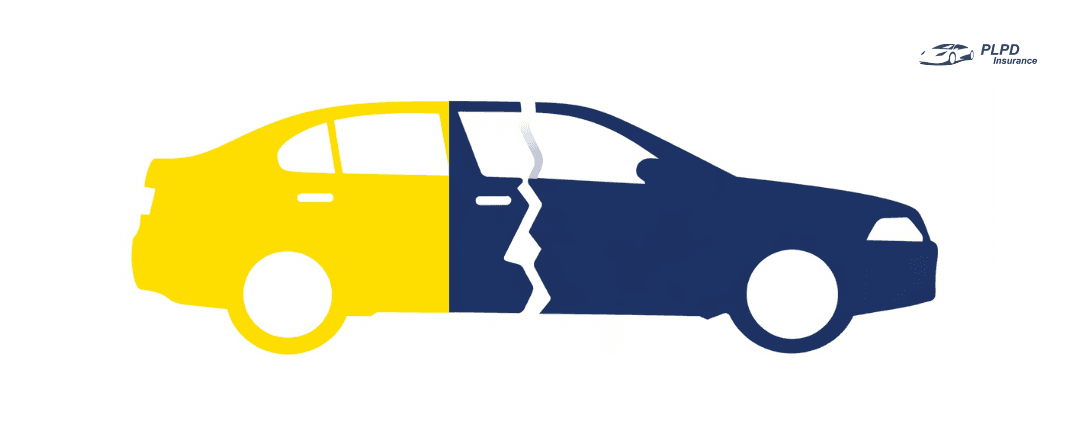
Gap insurance is an optional add-on coverage that helps pay the difference between your vehicle's actual cash value (ACV) and the remaining balance on your auto loan or lease if your car is declared a total loss due to a covered accident or theft. Unlike collision or comprehensive insurance, which pays only your vehicle's current market value, gap insurance helps cover the remaining loan or lease balance when you owe more than your vehicle is worth. As part of your overall auto insurance coverage in Michigan, gap insurance can provide additional financial protection for financed or leased vehicles. Typically, gap insurance is designed to protect you from financial loss when you finance or lease a vehicle. In general terms, it is commonly abbreviated as gap insurance which stands for guaranteed asset protection insurance. Apart from cars, gap insurance may also be available for other types of vehicles, such as motorcycles, trucks, and RVs.
Why Does a Gap Exist?
The "gap" in gap insurance exists because vehicles typically depreciate faster than you pay down your auto loan. As soon as you drive a new car off the dealership lot, its market value begins to depreciate. However, your loan balance doesn't decrease at the same pace, especially during the first few years of financing.
Most standard auto insurance policies, including collision and comprehensive coverage, only reimburse your vehicle's actual cash value (ACV) if it's declared a total loss after a covered accident or theft. Actual cash value is the vehicle's current market value after accounting for depreciation, not the amount you originally paid for it.
If your remaining loan or lease balance is higher than your vehicle's actual cash value, you'll be responsible for paying the difference out of pocket. This situation is commonly known as negative equity or being "upside down" on your car loan. Gap insurance is designed to help cover that financial shortfall, reducing the risk of paying for a vehicle you no longer own.
How Does Gap Insurance Work in Michigan?
So, how does gap insurance work in Michigan? Gap insurance works the same way in Michigan as it does throughout the United States. It helps pay the difference between your vehicle's actual cash value (ACV) and the remaining balance on your auto loan or lease if your car is declared a total loss due to a covered accident or theft.
Since gap insurance only applies after your collision or comprehensive coverage pays your vehicle's actual cash value, it is considered optional add-on coverage. Most insurers require you to carry both collision and comprehensive insurance before you can purchase gap insurance.
Here's an example of how gap insurance works:
| Description | Amount |
| Purchase Price |
$40,000 |
| Vehicle's Actual Cash Value (ACV) |
$30,000 |
| Remaining Loan Balance |
$34,000 |
| Collision or Comprehensive Insurance Pays |
$30,000 |
| Remaining Balance Owed |
$4,000 |
| Gap Insurance Pays* |
$3,000 |
| Your Deductible |
$1,000 |
*Actual payouts may vary depending on your policy's deductible, coverage limits, and terms.
In this example, your collision or comprehensive insurance pays the vehicle's actual cash value of $30,000. Because you still owe $34,000 on your auto loan, a remaining balance of $4,000 is left unpaid. If your policy includes a $1,000 deductible, gap insurance may cover the remaining $3,000, while you would be responsible for paying the deductible. Gap insurance also applies if your vehicle is stolen and isn't recovered. After your comprehensive insurance pays the vehicle's actual cash value, gap insurance can help cover the remaining loan or lease balance, subject to your policy's terms and limits.
If you’re looking for a reliable insurance agency in Michigan offering different types of auto insurance coverage, including collision, comprehensive, and gap insurance, consider checking our insurance solutions. If you'd like to speak with one of our insurance experts in person, you can also visit our regional offices in Flint, Saginaw and Mt. Pleasant. What Does Gap Insurance Cover? [H2]
Gap insurance helps protect borrowers from paying the remaining balance on an auto loan or lease after their primary auto insurance settles a covered total-loss claim. While coverage varies by insurer, gap insurance generally applies in the following situations:
A totaled vehicle after a covered accident: If your car is damaged beyond repair, your collision insurance pays its actual cash value, while gap insurance may cover the remaining balance you still owe on your loan or lease.
A stolen vehicle that isn't recovered: If your comprehensive insurance declares your stolen vehicle a total loss, gap insurance can help pay the difference between the insurance settlement and your remaining loan or lease balance.
Negative equity caused by depreciation: Since new vehicles often depreciate faster than loan balances decrease, gap insurance helps protect you from paying out of pocket when your vehicle's value is less than what you still owe.
Keep in mind that gap insurance doesn't replace your collision or comprehensive coverage. Instead, it supplements those coverages by helping pay the remaining loan or lease balance after your primary auto insurance has settled the claim.
What Does Gap Insurance Not Cover?
Although gap insurance can provide valuable financial protection after a total loss, it doesn't cover every expense related to your vehicle or auto loan. Gap insurance is specifically intended to pay the difference between your vehicle's actual cash value (ACV) and the remaining balance on your loan or lease after a covered claim. Any costs outside of that purpose are generally not covered.
Depending on your insurer and policy terms, gap insurance typically does not cover:
Your insurance deductible: Most gap insurance policies don't reimburse your collision or comprehensive deductible unless your policy specifically includes deductible coverage. Vehicle repairs: Gap insurance only applies when your vehicle is declared a total loss. It doesn't pay for repairs resulting from minor or moderate damage.
Mechanical breakdowns or routine maintenance: Expenses such as engine repairs, transmission problems, oil changes, tire replacements, and regular maintenance aren't covered.
Missed loan or lease payments: Any overdue payments, late fees, or penalties added to your loan remain your responsibility.
Extended warranties or optional add-ons: Products such as extended warranties, service contracts, credit insurance, or other dealership add-ons are generally excluded unless specifically included in your financing agreement and covered by your policy.
Personal belongings inside your vehicle: Items such as laptops, mobile phones, or other personal property stolen or damaged with your vehicle aren't covered under gap insurance.
Before purchasing gap insurance, review your policy carefully to understand its exclusions, coverage limits, and eligibility requirements. Since coverage can vary between insurance companies, knowing exactly what's included can help you avoid unexpected out-of-pocket expenses after a claim.
Who May Not Need Gap Insurance?
While gap insurance can provide valuable financial protection for many drivers, it isn't necessary for everyone. If the amount you owe on your auto loan is less than your vehicle's actual cash value (ACV), there may no longer be a financial gap for the coverage to protect.
You may not need gap insurance if:
You own your vehicle outright:
If your car has been fully paid off, there's no remaining loan or lease balance for gap insurance to cover.
You owe less than your vehicle is worth: As you continue making loan payments, you may eventually build enough equity that your vehicle's value exceeds your remaining loan balance.
You made a large down payment: Putting a substantial amount down when purchasing your vehicle can reduce the likelihood of owing more than the car is worth during the early years of ownership.
You're nearing the end of your loan term: Since your outstanding balance generally decreases over time, the gap between your loan balance and your vehicle's value may eventually disappear.
If you're unsure whether you still need gap insurance, compare your remaining loan or lease balance with your vehicle's current actual cash value. If the vehicle is worth more than you owe, you may no longer benefit from maintaining gap coverage. However, before canceling your policy, confirm that your lender or leasing company doesn't require you to keep the coverage until the loan or lease ends.
Who Should Consider Gap Insurance? [H2]
Gap insurance is generally most beneficial for drivers whose loan or lease balance is likely to exceed their vehicle's market value. If you're financing or leasing a vehicle, the following situations may make gap coverage worth considering.
You may benefit from gap insurance if you:
- Financed your vehicle with a small or no down payment: A lower upfront payment means you may owe close to the vehicle's purchase price while its value declines.
- Have a long-term auto loan: Financing a vehicle over 60 months or longer may slow the rate at which you build equity, increasing the likelihood of owing more than the vehicle is worth.
- Leased your vehicle: Many lease agreements either require gap insurance or recommend it to help cover the difference between the vehicle's value and the remaining lease balance after a total loss.
- Purchased a vehicle that depreciates quickly: Some makes and models lose value faster than others, which can create a larger gap between your vehicle's value and your remaining loan balance.
- Rolled negative equity into a new auto loan: If you included the balance from a previous auto loan when financing your current vehicle, you may owe significantly more than your new vehicle is worth during the early years of the loan.
Even if gap insurance isn't required, it can provide added financial protection when your loan or lease balance is likely to exceed your vehicle's market value. Evaluating your loan terms, down payment, and your vehicle's depreciation can help you decide whether this optional coverage fits your needs.
When You Might Need Gap Insurance?
If you’re financing your car on loan, then it’s crucial to ensure that you have gap insurance. No matter how cautiously you drive, you never know when you may suddenly encounter a severe accident which can total your car to the point it’s beyond repair.
Unexpected events such as vandalism, natural disasters, hitting an animal or even vehicle theft can put you at a financial standstill. As the value of your car gradually depreciates with each passing year, so does its actual cost value.
So, without gap insurance you’re at substantial risk of paying hefty out-of-pocket expenses to pay off your financial debt. If you have purchased a car on loan, and if you don’t have gap insurance, here’s why you should consider getting it soon.
Your Car Gets Totaled
Even after your car gets totaled, you will still have to pay the amount you owe on loan. Regardless of the way the accident happened, you will either have to pay the remaining amount you owe out of pocket or through insurance. This is exactly when you need gap insurance, which will cover the remaining amount that you owe excluding deductibles.
Your Car Gets Stolen
Similarly, you will still have to pay the loan for financing your car after it gets stolen. If you have gap insurance, it will cover the remaining amount that you owe. So, with gap insurance you can secure yourself from the financial risk of paying out of pocket to cover the remaining loan amount for your stolen car.
You Made a Small Down Payment or Have a Long Loan Term
The situation can be even more critical if you have a small downpayment, or if the loan is long term. So, in this case if you owe a hefty amount even after depreciation, it can be a severe financial burden which can be very difficult to re-pay out of pocket. However, with your gap insurance you can pay the loan amount up to your coverage limit.
You Lease Your Vehicle
Leasing a vehicle can increase the likelihood of needing gap insurance because leased cars typically depreciate faster than the remaining lease balance decreases. If your leased vehicle is declared a total loss after a covered accident or theft, your collision or comprehensive insurance will generally pay its actual cash value (ACV). If that amount doesn't fully satisfy your remaining lease obligation, gap insurance can help cover the difference, subject to your policy's terms and limits.
Some leasing companies automatically include gap coverage in the lease agreement, while others require you to purchase it separately. Before buying additional coverage, review your lease contract to determine whether gap insurance is already included.
You Rolled Negative Equity Into a New Loan
If you owed money on your previous vehicle and included that remaining balance when financing your new car, you may have rolled negative equity into your new auto loan. As a result, you could owe more than your new vehicle is worth from the start of the loan.
If your vehicle is declared a total loss before you've built enough equity, your standard auto insurance may not pay enough to cover the outstanding loan balance. In this situation, gap insurance can help pay the remaining amount owed after your collision or comprehensive insurance settles the claim.
Your Vehicle Depreciates Quickly
All vehicles lose value over time, but some depreciate faster than others due to factors such as market demand, model popularity, or high mileage. Rapid depreciation can increase the gap between your vehicle's actual cash value (ACV) and your remaining loan balance, especially during the first few years of ownership.
If your vehicle is totaled or stolen while you're still paying off your loan, gap insurance can help cover the difference between your insurance settlement and the remaining amount you owe, reducing your out-of-pocket costs after a covered loss.
Do Car Insurance Deductibles Apply for Gap Insurance?
Yes, car insurance deductibles apply for gap insurance similar to collision or comprehensive insurance. So, when you claim your gap insurance, if you have any insurance deductible, you will first have to pay that, and after paying your deductibles your gap insurance will cover the remaining amount that you owe up to your coverage limit.
For example, if you’ve car insurance deductibles of $500, and if you owe a remaining amount of $2,000 for financing the car on loan. You will have to pay $500 out of pocket first and then your gap insurance will pay for the remaining $1,500 up to your coverage limit.
Is it Possible to Claim Gap Insurance Without Any Accident or Theft?
Typically, insurance policies have been designed to cover financial loss due to an accident, or unprecedented incidents such as theft. Similarly, the gap insurance policy adheres to the same principles, and that’s why it is not possible to claim gap insurance without any accident or theft.
So, to be clear, you can’t file a claim under gap insurance just because your car’s value has dropped or you want to trade it in. Unless your vehicle is stolen or totaled, your gap coverage won't apply.
Average Cost of Gap Insurance in Michigan
In Michigan the average cost of gap insurance is $149 per year. However, as it’s an add-on insurance coverage, you will have to purchase it within collision and comprehensive auto insurance coverage.
As you cannot purchase gap insurance coverage as standalone coverage, the overall premium of purchasing it with collision and comprehensive coverage can cost you $4,082 annually on average.
Typically, just like any other car insurance coverage, the overall average insurance rate of gap insurance can typically vary from one insurer to another. So, depending on the insurance company you choose to purchase from your overall average premium including the add-on gap insurance can range from $3,168 to $5,764 or more per year.
If you consider the average cost of gap insurance alone, it can range from $103 to $293 per year in Michigan. On the other hand, instead of purchasing directly from an insurance company, if you purchase it via a car dealership, the average cost of the gap insurance premium can be anywhere between $200 and $400 or more per year.
On top of that, if the interest rates for financing your car are considered, then you’re expected to pay even more. If you would like to know more about car insurance rates here’s a guide on how much does auto insurance cost.
Where to Buy Gap Insurance?
Gap insurance can be purchased from several sources, including your auto insurance company, a car dealership, or your lender or leasing company. While each option serves the same purpose of helping cover the difference between your vehicle's actual cash value (ACV) and the remaining loan or lease balance after a covered total loss, they differ in cost, convenience, and availability.
| Purchase Option |
How It Works |
Advantages |
Things to Consider |
| Auto insurance company |
Added as an endorsement to your existing auto insurance policy. |
Often the most affordable option and can be managed alongside your other coverages. |
Availability and eligibility requirements vary by insurer. Some companies only offer it for newer vehicles or within a certain period after purchase. |
| Car dealership |
Offered when you purchase or finance a vehicle. The cost may be paid upfront or included in your monthly loan payments. |
Convenient because you can purchase it at the same time as your vehicle. |
It may cost more than buying through an insurance company, especially if the premium is financed with your loan. |
| Lender or leasing company |
Offered as part of your financing or lease agreement. Some lease contracts automatically include gap coverage. |
May satisfy lender or lease requirements without purchasing a separate policy. |
Review your agreement carefully to determine whether coverage is included or whether you can obtain it from another provider. |
Before choosing a provider, compare the premium, coverage terms, cancellation policy, and eligibility requirements. If you're leasing a vehicle or financing through a lender, review your agreement first to avoid paying for coverage that's already included.
Is Gap Insurance Required in Michigan? [H2]
No, gap insurance is not required by Michigan law. The state only requires drivers to carry the minimum auto insurance coverages mandated under its no-fault insurance system. Gap insurance is optional and isn't needed to register or legally operate a vehicle in Michigan.
However, if you finance or lease your vehicle, your lender or leasing company may require you to purchase gap insurance as part of your financing agreement. This requirement is determined by the lender—not by the State of Michigan—to help protect its financial interest if the vehicle is declared a total loss before the loan or lease is paid off.
Even if gap insurance isn't required, it may be worth considering if you:
- Made a small down payment.
- Have a long-term auto loan.
- Rolled negative equity into a new loan.
- Drive a vehicle that depreciates quickly.
- Lease your vehicle and your agreement doesn't already include gap coverage.
If you're unsure whether gap insurance is mandatory for your vehicle, review your loan or lease agreement or contact your lender for clarification. Understanding your financing terms can help you determine whether gap insurance is a contractual requirement or an optional coverage that provides additional financial protection.
Pros and Cons of Having Gap Insurance
Before purchasing gap insurance, it is important to weigh the pros and cons to evaluate whether it’s actually beneficial for you. The following table below includes the pros and cons of having gap insurance.
Pros | Cons |
Covers loan/lease balance if car is totaled or stolen | Only applies in total loss situations (not for repairs or minor damage) |
Protects against rapid depreciation of new cars | Not useful if your loan balance is close to or below car's value |
Prevents out-of-pocket costs for unpaid loan balance | Adds to your insurance premium or loan cost |
Peace of mind during the early loan or lease term | May have coverage limitations (e.g., doesn’t cover deductible) |
Can often be canceled/refunded once no longer needed | Not necessary if you paid a large down payment or own the car outright |
Available through both insurers and dealerships | Dealership-sold gap insurance may be more expensive |
Alternatives of Gap Insurance
Instead of gap insurance, there are other add-on car insurance coverages that you can consider exploring. Although gap insurance is extremely reliable when it comes to securing your car’s loan repayment even if it’s totaled, or stolen yet there are alternatives that you can consider.
Plus, there are some insurance companies that offer coverage that are like gap insurance but are slightly different. So, depending on the situation, and your insurance needs, here are 3 alternatives of gap insurance as follows.
New Car Insurance Replacement Insurance
The new car replacement insurance coverage replaces your car with the same make and model if it’s totaled or stolen. Even if your car has depreciated, and its actual cash value has significantly fallen you still get a brand-new car equivalent to the purchasing price of your car.
However, you can only get a new car as a replacement for a certain time. While some insurers offer new car replacement for 5 years, there are others that provide it within a timeframe of 1 to 3 years.
In some cases, your insurer may even set a mileage limit of 15,000 or 24,000 miles. If you exceed the mileage, then you can no longer replace your car with a new one after it gets stolen or totaled after an accident.
Better Car Replacement Coverage
Better car replacement coverage replaces your car with a newer model if it gets totaled after an accident or stolen and couldn’t be recovered yet. Regardless of your car’s depreciated value, even if its actual cash value is currently lower than the newer model, you will still get the replacement.
However, if your car’s mileage exceeds over 15,000 miles in the span of 1 to 2 years, then you will no longer receive coverage; meaning you won’t get the newer model of the car as a replacement.
Loan/Lease Payoff Insurance
Loan/lease payoff insurance coverage is quite similar to gap insurance. It also pays for the remaining amount that you owe for financing the car after it’s totaled or stolen. But unlike gap insurance the loan/lease payoff coverage covers up to 25% of your car’s ACV.
In comparison, gap insurance provides better financial protection compared to loan/lease payoff insurance, as gap insurance covers the entire amount that you owe without any limits on your car’s ACV.
So, if your insurer provides loan/lease payoff coverage instead of gap insurance then you can consider it, apart from that gap insurance is still a better choice.
Gap Insurance vs. Loan/Lease Payoff Coverage
Gap insurance and loan/lease payoff coverage both help pay the remaining balance on your auto loan or lease if your vehicle is declared a total loss. However, they aren't identical.
Gap insurance is generally designed to cover the full difference between your vehicle's actual cash value (ACV) and the remaining loan or lease balance, subject to your policy's terms and limits. In contrast, loan/lease payoff coverage typically pays only a percentage of your vehicle's actual cash value, often up to 25%, to help reduce the remaining balance. If the difference between your loan balance and your vehicle's value exceeds that limit, you may still have out-of-pocket expenses.\
| Feature | Gap Insurance | Loan/Lease Payoff Coverage |
| Pays remaining loan or lease balance |
Yes, subject to policy terms and limits |
Pays a limited percentage of the vehicle's ACV (often up to 25%) |
| Best suited for |
Drivers with significant negative equity |
Drivers whose loan balance only slightly exceeds the vehicle's value |
| Coverage limit |
Based on the policy |
Percentage limit set by the insurer |
If your insurer offers both options, compare the coverage limits and policy terms carefully to determine which provides the level of financial protection you need.
Gap Insurance vs. New Car Replacement Coverage [H3]
Although gap insurance and new car replacement coverage both apply after a covered total loss, they protect different financial interests.
Gap insurance helps pay the difference between your vehicle's actual cash value (ACV) and the remaining balance on your loan or lease. New car replacement coverage, on the other hand, replaces your totaled vehicle with a new vehicle of the same make and model, or a comparable model if the original is no longer available, without considering depreciation, provided you meet the insurer's eligibility requirements.
| Feature |
Gap Insurance |
New Car Replacement Coverage |
| Primary purpose |
Pays the remaining loan or lease balance |
Replaces your totaled vehicle with a new one |
| Based on |
Outstanding loan or lease balance |
Cost of a new replacement vehicle |
| Helps with depreciation |
Yes |
Yes, by replacing the vehicle instead of paying its depreciated value |
| Typically available for |
Financed or leased vehicles |
Newer vehicles that meet the insurer's eligibility requirements |
If you're financing a new vehicle, these coverages may complement one another rather than serve as direct replacements. New car replacement coverage helps you replace your vehicle, while gap insurance helps ensure you aren't left paying a remaining loan balance after a covered total loss.
Can You Buy Gap Insurance After Purchasing a Car?
Yes, you can often buy gap insurance after purchasing a car, but eligibility depends on your insurance company, lender, or dealership. Many insurers allow you to add gap insurance to your existing auto policy after you've purchased your vehicle, provided you meet their requirements.
However, some providers limit when you can purchase gap insurance. For example, they may only offer coverage if your vehicle is below a certain age, has a limited number of miles, or if your loan balance doesn't exceed a specified percentage of the vehicle's value. These requirements vary by provider, so it's important to confirm your eligibility before applying.
If you financed or leased your vehicle, review your loan or lease agreement to determine whether gap coverage is already included. If it isn't, compare your options through your insurance company, lender, or dealership to find the coverage that best fits your needs.
The sooner you purchase gap insurance, the more likely you'll qualify for coverage before your vehicle depreciates significantly or your loan no longer meets the provider's eligibility requirements.
When Should You Cancel Gap Insurance?
You may want to consider canceling your gap insurance once you no longer owe more on your loan or lease than your vehicle is worth. As you make monthly payments and your loan balance decreases, there may come a point when your vehicle's actual cash value (ACV) exceeds the remaining balance. At that stage, gap insurance may no longer provide meaningful financial protection.
Before canceling your coverage, consider the following:
Compare your loan balance with your vehicle's value: If your vehicle's current market value is equal to or greater than the amount you still owe, you may no longer need gap insurance.
Review your loan or lease agreement: Some lenders or leasing companies require gap insurance until your loan or lease is paid off. Canceling coverage too early could put you in violation of your financing agreement.
Contact your insurance provider or lender: They can help you determine whether gap insurance is still appropriate based on your remaining balance and policy terms.
If you purchased gap insurance through a dealership or paid the premium upfront, you may also qualify for a partial refund if you cancel before the coverage period ends. Refund eligibility varies by provider, so check your contract or contact the company that sold you the coverage for details.
The Bottom Line: Is Gap Insurance Worth It?
Gap insurance can provide valuable financial protection if you owe more on your auto loan or lease than your vehicle is worth. Although it isn't required by Michigan law, it may be required by your lender or leasing company and can help reduce out-of-pocket expenses if your vehicle is declared a total loss.
Whether gap insurance is right for you depends on factors such as your remaining loan balance, down payment, vehicle depreciation, and financing terms. Evaluating these factors can help you decide whether adding or keeping gap insurance is the right choice for your situation.
If you're thinking about adding gap insurance to your policy or want to explore your car insurance options, contact us for a free consultation. Our insurance experts can help you understand your coverage options, answer your questions, and provide a personalized quote based on your needs.
FAQs
What is Gap Insurance?
Gap insurance is an optional type of auto insurance coverage which stands for guaranteed asset protection. Gap insurance covers the difference between what you owe and its actual cash value after your vehicle has been totaled or stolen.
What is the purpose of gap insurance?
The purpose of gap insurance is to help prevent you from paying the remaining balance on your auto loan or lease after your vehicle is declared a total loss due to a covered accident or theft. It fills the financial gap between your insurance settlement and what you still owe, helping reduce out-of-pocket expenses.
Does gap insurance cover your down payment?
No, gap insurance does not cover any down payment. It will instantly pay the remaining amount that you owe for financing the car on loan after it’s totaled or stolen upon claiming insurance.
What does gap insurance not pay?
Gap insurance does not cover any amount that is beyond your car’s actual cash value, and the amount that you owe for financing a car on loan. It won’t pay for your deductibles, missed loan payments or any car rental expenses.
Do I need collision or comprehensive auto insurance to purchase gap insurance?
Yes, as gap insurance is an add-on car insurance coverage, you need to have collision and comprehensive auto insurance coverage to purchase gap insurance. Typically, gap insurance pays the additional amount that you still owe after collision or comprehensive insurance pays for your car’s replacement costs up to its actual cash value.
Recent Posts
Does Renters Insurance Cover Bike Theft?
Does Renters Insurance Cover Vandalism?
Does Renters Insurance Cover Temporary Housing?
Categories
Life Insurance

Auto insurance
Insurance
Motorcycle Insurance
Renters Insurance
Homeowners Insurance
RV Insurance
Boat Insurance
Snowmobile Insurance
Follow Us