

 Back
BackWhat Does RV Insurance Cover?
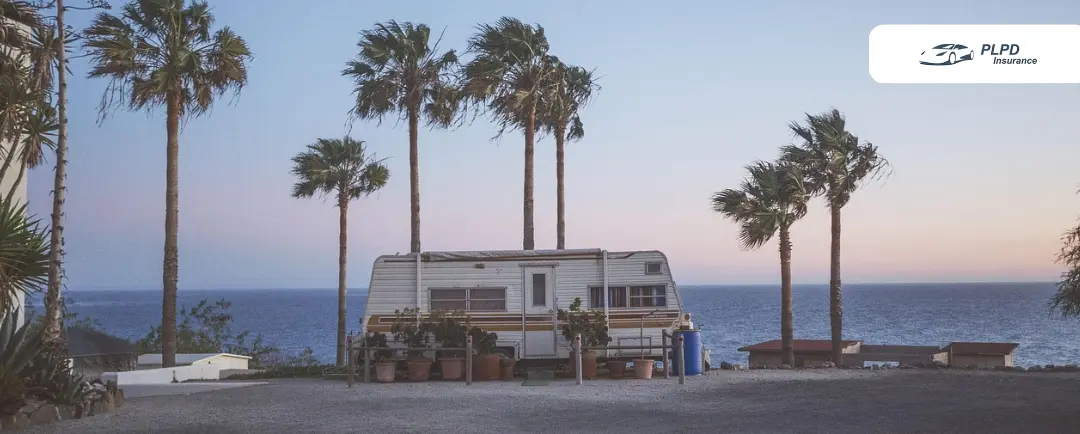
Before purchasing your RV Insurance, it is essential to know what it covers. It’s crucial to understand your options to make an informed decision, especially to ensure you have the right set of coverage for adequate financial protection.
First and foremost, it is important to assess legal requirements. Apart from your trailer, fifth wheel, or pop-up campers, you’re legally required to have at least minimum liability coverage in most states in the U.S., just like car insurance.
As for your financial protection, your RV insurance requirements can widely vary depending on where you’re located, how you use your RV, where you keep it parked, and how much your RV is worth.
There’s always a substantial chance of RV theft or damage due to an accidental crash, or expected events like vandalism, fire, and natural disasters like severe storms, floods, earthquakes, or falling trees. These incidents can lead to costly damage, injuries, or even fatalities.
The harsh reality is, you can’t always prevent accidents, but you can be prepared for the aftermath. In this article, you’ll learn what RV insurance is, what it covers (and doesn’t), whether it’s required in Michigan, how much it costs, and how to choose the right coverage for your needs.
What is RV Insurance?
RV insurance is a specialized policy that’s designed to protect your motorhome, camper, or travel trailer from financial loss. It provides financial protection against accidents, liability claims, and unexpected events like theft, vandalism, or fire, ensuring you stay covered whether you’re on the road or parked at a campsite.
If you need advice on RV Insurance from a reliable insurance agency in Michigan offering cheap RV and Motorhome Insurance, consider exploring PLPD’s extensive coverage options. For further support, you can contact us or visit our office in Flint, Saginaw, and Mt.Pleasant.
What Does RV Insurance Cover?
By definition, an RV insurance policy should cover your liability claims, medical expenses, and your motorhome and trailer repair or replacement costs. Well, it does, but for that, you need to purchase specific coverage. So, let’s explore each of the RV insurance coverage and how they protect you and your RV financially.
Liability Coverage
It is a legal requirement for you to have at least the minimum liability insurance coverage for your RV motorhome in every state in the U.S. except New Hampshire. Although you will show proof of financial responsibility after an accident if you don’t have the required liability coverage in New Hampshire.
The RV liability coverage will pay for liability claims if you’re at fault for an accident. The liability costs that are covered include the following.
- Medical bills for the other driver, their passengers, and any pedestrians injured
- Repair/replacement costs of the other driver’s vehicle
- Repair/replacement costs for someone else’s property damage, this includes vehicles, buildings, fences, mailboxes and any other tangible asset.
Keep in mind that the RV liability insurance only pays for someone else’s medical bill and vehicle repair/replacement costs. It does not cover the repair/replacement expenses of your RV, nor the medical fees of you and your passengers.
Collision Coverage
Collision coverage pays the repair or replacement expenses for your RV after an accident that involves accidentally hitting another vehicle or object. Whether your RV collided with another vehicle, or the other vehicle crashed into your RV while it was moving or safely parked, you will get collision coverage.
Also, it doesn’t matter who is at fault for the accident; if your RV got damaged or destroyed due to an accidental collision, you will get covered based on the actual cash value of your RV, up to your policy’s coverage limit.
Comprehensive Coverage
Comprehensive coverage pays for your RV’s accidental damage or loss that’s beyond your control. This includes unexpected events such as theft, vandalism, fire, short circuit, or weather conditions like flood, earthquake, severe storms, etc. It also covers animal-related damage, such as accidentally hitting a deer with your RV.
Similar to collision coverage, the comprehensive coverage covers your RV’s repair and replacement expenses based on the actual cash value, up to your coverage limit.
Uninsured/Underinsured Motorist Coverage (UI/UM)
Uninsured/underinsured motorist coverage protects you and your RV when you make a liability claim for an accident in which the other driver is at fault but does not have adequate liability coverage or none at all.
Moreover, if the other driver is also unable to pay out of pocket, the uninsured/underinsured motorist coverage will cover the repair/replacement costs of your RV, loss of income, and medical bills up to your coverage limit.
PIP/MedPay Coverage
PIP (personal injury protection) coverage financially protects you by covering loss of income, medical bills, childcare costs, caregiver, and funeral expenses for you, and your passengers after an RV accident regardless of who’s at fault for the accident. PIP coverage is mandatory in Michigan and other no-fault states, and it is available in only a few at-fault states.
If your state does not have PIP coverage, you can get Medical Payments coverage, which is commonly known as MedPay coverage. The Medpay coverage will pay for the medical bills of you and your passengers following an RV accident, regardless of fault.
Gap Coverage
Gap insurance (Guaranteed Asset Protection) is an optional RV insurance add-on that covers the difference between the actual cash value (ACV) your insurance company pays after a total loss and the remaining balance on your loan or lease. This ensures you aren’t left paying out-of-pocket for a loan on an RV that has been stolen, vandalized, or totaled in an accident.
Example: Suppose you purchased a motorhome for $75,000 with a loan. A year later, your RV is stolen, or it’s completely totaled in a collision. By that time, the RV’s actual cash value has depreciated to $60,000. Without gap coverage, you would still owe $15,000 on your loan. With gap insurance, your insurer pays that $15,000 difference, covering the remaining loan balance and protecting you from financial loss.
Total Loss Replacement or Agreed Value Coverage
Total loss replacement coverage pays the cost to purchase a new RV if your current RV is stolen or totaled in an accident. For example, if you bought your RV for $50,000 and its current value is $40,000, this coverage can pay for a replacement RV of the same model or a newer one of equal or higher value. If you prefer not to replace it, some policies may reimburse the original purchase price.
Agreed value coverage, on the other hand, reimburses a mutually agreed-upon amount if your RV is stolen, damaged, or totaled. For instance, if you and your insurer agree that your RV’s value is $50,000, the policy will cover repairs, replacement, or a direct cash payment up to that amount.
Personal Belongings Coverage
Personal belongings coverage protects the items you keep inside your RV, such as clothing, electronics, camping gear, and furniture, in the event of theft, fire, vandalism, or accidental damage. This coverage ensures that your belongings are replaced or reimbursed if they are lost or damaged while you’re traveling or parked.
With personal belongings coverage, your insurance will reimburse you for the cost of replacing those items, up to your policy’s coverage limit. This coverage is especially important for full-time RVers or travelers who carry expensive gear or personal items, ensuring that your valuable possessions are protected even when you’re on the road.
Full-Timer’s Liability Coverage
Full-timer's liability coverage is a specialized RV insurance plan for those who use their RV as a permanent residence. If you regularly stay in your RV for more than 6 months, you can declare it as your permanent residence, which will make your eligible for this coverage.
With the full time’s liability coverage, you can purchase significantly higher liability coverage limits while covering your medical bills and personal belongings. This is a combined coverage plan for permanent residents to ensure balanced financial protection.
Vacation Liability Coverage
Vacation liability coverage protects you if someone is injured or their property is damaged while visiting your RV at a campsite, park, or vacation property. It helps cover medical bills, legal fees, and property repairs if you are found responsible for the accident.
This coverage is ideal for RVers who frequently host guests during their trips, providing financial protection against unexpected incidents. This coverage applies while you’re not driving, and your RV’s parked.
Emergency Expense Coverage
If you’re unable to use your RV due to a mechanical or engine failure, or if you’re stranded somewhere at least 50 miles away from your primary residence, the emergency expense coverage will pay for your hotel stays, transportation, and food while your RV is being repaired.
The emergency expense coverage is an essential financial backup, especially for unexpected incidents during a long trip, or for emergency relocation if you use your RV as a permanent home.
Roadside Assistance Coverage
RV roadside assistance coverage provides help if your motorhome or trailer breaks down on the road or at a campsite. It covers minor repairs, tire changes, dead batteries, and towing to a nearby garage or repair facility, ensuring you’re not left stranded.
This coverage is especially essential to cover the cost of towing in remote destinations, where it can be difficult and expensive to relocate your RV to a repair shop.
Storage or ‘Comprehensive-Only’ Coverage
While keeping your RV safely parked in the garage or a parking space, it can get stolen or damaged due to expected events like fire and extreme weather conditions. Even when you’re not driving or using your RV, it is essential to keep it insured to avoid an unprecedented financial burden.
Another reason to keep your RV insured is to avoid a policy lapse, which can significantly increase your RV insurance premium. With RV storage insurance, or the comprehensive only coverage, you can ensure adequate financial protection while avoiding premium hikes due to policy lapses.
Roof Protection Coverage
The roof protection coverage pays for the repair costs to fix damage to your RV’s roof, whether it’s a motorhome or a travel trailer. Whether you use your RV for recreational trips or as a permanent residence, keeping the roof in good condition is crucial to prevent costly water leaks, structural damage, and mold growth.
This coverage helps cover damage caused by wear and tear, weather conditions, or accidental impact, depending on your policy terms. Some policies also include sealant and coating coverage to extend the life of your RV roof and maintain its structural integrity over time.
Custom Parts Equipment Coverage
Standard RV insurance doesn’t cover aftermarket parts or custom modifications. Whether you’ve added custom rims, upgraded the chassis, or installed a new engine, repairs or replacements for these modifications can be costly.
Custom parts equipment coverage protects the value of your upgrades by covering the repair or replacement costs of custom-installed parts, up to your coverage limit. This ensures your modified RV stays fully protected without unexpected out-of-pocket expenses.
Pest Damage Coverage
Rodents, insects, and other small animals can cause serious damage to your motorhome or trailer by chewing through insulation, wiring, and structural components. Such damage can lead to electrical malfunctions and safety hazards if not repaired quickly.
Pest damage coverage helps pay for repairs caused by infestations and may also include the cost of pest removal or cleaning, depending on your policy. This coverage ensures your RV remains safe and road-ready even after unexpected pest-related damage.
Pet Injury Coverage
If your cat, dog, or any other pet gets injured after an RV accident, the pet injury coverage will pay the veterinary bills up to your coverage limits. This includes emergency treatments, tests, medications, and follow-ups with the vet.
Remember, veterinary costs can vary depending on the severity of the wound. Veterinary treatments can be expensive, so if you have pets, it’s highly recommended to have pet injury coverage to protect their health and your finances.
Tow Bar Coverage
Tow bar coverage protects your RV and towing equipment if your motorhome or vehicle being towed is damaged while connected to a tow bar. This coverage typically applies during accidents, collisions, or incidents that cause damage to either the RV or the towed vehicle.
Tow bar coverage ensures that repairs or replacements for your towing setup are financially covered, helping you avoid unexpected expenses and keeping your RV travel safe and hassle-free.
What Does RV Insurance Not Cover?
While RV insurance covers many financial risks, it also has certain exclusions and limitations. It is important to know what your standard RV insurance does not cover to determine whether you need to purchase any necessary add-ons or endorsements.
The following list includes the situations or conditions that most RV insurance policies don’t cover.
- Routine maintenance and wear-and-tear
- Mechanical breakdowns
- Intentional damage
- Flood or earthquake (if not included)
- Personal property outside the RV
- Pest damage (if not included)
- Wear from full-time residency (if not included)
- Accessory or custom part damage (if not included)
- Roadside assistance services (if not included)
- Acts of war or nuclear incidents
Is RV Insurance Required in Michigan, and Should I Get One?
To legally own and drive a motorhome in Michigan, you must have the minimum liability coverage and PIP coverage in your RV insurance policy. The table below shows the mandatory RV insurance coverage required by Michigan law.
Mandatory RV Coverage | Minimum Coverage Limits |
Bodily Injury Liability | $25,000 per person / $50,000 per accident |
Property Damage Liability | $10,000 per accident |
Personal Injury Protection (PIP) | Unlimited/$500,000/$250,000, $50,000 (with medical coverage or health insurance) |
If you own a motorhome and intend to drive it, you should definitely get RV insurance in Michigan to stay legally compliant and financially secure. Although it is recommended that you consider purchasing higher limits and additional coverage, such as collision, comprehensive, uninsured/underinsured motorist coverage, etc.
Here in Michigan, liability insurance is commonly known as PLPD insurance, which stands for personal liability and property damage insurance. While personal liability typically includes bodily injury coverage, property damage includes vehicles and other tangible assets.
If you need help to determine the right RV insurance coverage based on your needs and budget, you should contact us for a free quote and consultation today. Once you fill up and submit the form, a PLPD agent will reach out to help you choose the best coverage.
Frequently Asked Questions
What does RV insurance actually cover?
RV insurance provides financial protection for a wide range of risks associated with owning and using a motorhome, camper, or travel trailer. Standard policies typically cover liability for bodily injury and property damage, collision and comprehensive damage to your RV, medical expenses for you and your passengers, and damage caused by uninsured or underinsured motorists.
Additional optional coverages can protect personal belongings, custom parts and equipment, pets, vacation liability for guests, roof and windshield repairs, roadside assistance, and storage-related damages. The exact coverage depends on your policy and any add-ons you choose, allowing you to tailor protection to your RV, usage, and lifestyle.
What insurance should I have on my RV?
The insurance you need for your RV depends on how you use it and the level of protection you want. At a minimum, most states, including Michigan, require liability coverage and Personal Injury Protection (PIP).
Beyond that, consider collision and comprehensive coverage for accident and damage protection, uninsured/underinsured motorist coverage, and optional coverages like vacation liability, full-timer’s coverage, custom parts, pet injury, personal belongings, and roadside assistance. Choosing the right combination ensures you meet legal requirements while protecting your RV, belongings, and passengers.
Does RV insurance cover belongings inside?
Yes, RV insurance can cover personal belongings inside your motorhome or travel trailer if you purchase personal belongings coverage. This protects items such as clothing, electronics, and camping gear from theft, fire, or damage caused by covered events.
Coverage limits typically apply, and items stored outside the RV or not secured may not be covered, so it’s important to review your policy carefully to ensure adequate protection for your possessions.
Does RV insurance cover total loss?
Yes, RV insurance can cover a total loss if your motorhome or travel trailer is stolen or completely damaged in an accident. Depending on your policy, total loss coverage may pay the actual cash value of your RV or, if you have total loss replacement or agreed value coverage, it can cover the cost of replacing it with a similar or newer model. This ensures you can repair, replace, or receive reimbursement for your RV without bearing the full financial burden.
What are common RV insurance exclusions?
While RV insurance provides broad protection, most policies have certain exclusions. Common exclusions include routine maintenance and wear-and-tear, mechanical breakdowns, intentional damage, and damage to custom parts or upgrades not covered by specialized coverage.
Many policies exclude pest damage unless added, certain natural disasters like floods or earthquakes, if not included, and extreme events such as acts of war or nuclear incidents. Understanding these exclusions can help you determine if you need additional coverage or endorsements to fully protect your RV and belongings.
Recent Posts
Does Renters Insurance Cover Bike Theft?
Does Renters Insurance Cover Vandalism?
Does Renters Insurance Cover Temporary Housing?
Categories
Life Insurance

Auto insurance
Insurance
Motorcycle Insurance
Renters Insurance
Homeowners Insurance
RV Insurance
Boat Insurance
Snowmobile Insurance
Follow Us