

 Back
BackWhat is Homeowners Insurance?
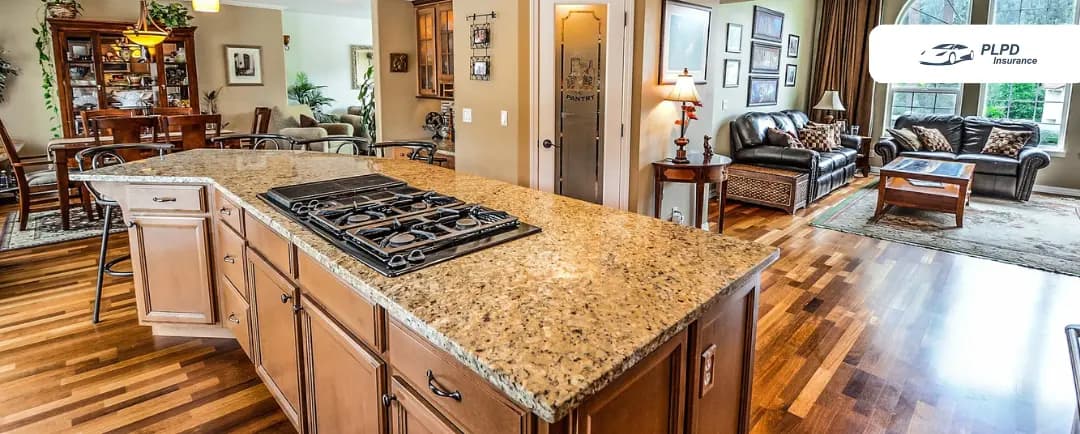
Homeowners insurance is a property protection policy that’s designed to financially protect your building structure, personal belongings, and liability costs due to an accident, or criminal activities like theft, vandalism, or burglary.
While homeowners insurance offers extensive protection, it doesn’t cover everything. So, before purchasing a policy, it’s essential to understand how it works, what it covers, and most importantly, what it doesn’t.
This article explains everything you need to know about homeowners insurance. Whether you already own a home or are planning to buy one, you’ll learn about coverage types, exclusions, policy options, average costs, and tips for choosing the right homeowners insurance in Michigan.
How Does Homeowners Insurance Work?
Once you purchase a homeowners insurance, and get the policy activated, it will financially protect your building’s structure and personal belongings against covered perils like an accident, theft, vandalism, or certain natural disasters.
So, how does it work? After an accident or criminal activity, you need to immediately report the incident to the police and your insurer. It’s important to submit a detailed report with any evidence, including a picture, video, and witness statement, while claiming insurance.
After you claim insurance, your insurer will examine your claim, review your statement, and the evidence you’ve provided. If it’s necessary, your insurer may contact you and ask you to provide essential details.
In some cases, they may even investigate your homeowners insurance claim by going through the information you’ve provided, cross-checking police reports, and assigning a public adjuster.
Based on the findings of the investigation, if your claim is legit, it will be approved, and your insurer will cover the repair/replacement costs of your home and personal belongings up to your coverage limits.
If someone gets injured on your property or if you’re responsible for another person’s property damage, your policy will pay for the medical expenses and any repair/replacement to cover your liability costs.
Also, if your building becomes uninhabitable due to the covered peril, your insurer will cover living expenses like hotel stays or the cost of temporarily renting another house or apartment while your home gets fixed.
Note: Remember, your home insurance policy will cover your expenses only after you pay your deductibles (if any).
Is Homeowners Insurance Required in Michigan?
Homeowners insurance is not legally required in Michigan. However, if you plan to buy a home with a mortgage, most lenders will require you to carry adequate homeowners insurance. Without it, obtaining financing can be difficult, as lenders want to protect their investment in case of damage to the property.
Apart from that, there’s always a substantial risk of accidents like a fire outbreak, water damage due to burst pipes, or a short circuit that can incur hefty repair expenses. In some cases, your home may become uninhabitable due to critical damage.
All of these cases can lead to significant home repair and replacement costs. Without homeowners insurance, you may have to bear all these expenses out of pocket, which can be financially overwhelming. So, to keep yourself financially secure, it is essential to ensure you have adequate homeowners insurance.
If you’re looking for a reliable insurance agency in Michigan offering the cheapest homeowners policy with the best coverage options for every budget, you should explore PLPD’s extensive insurance solutions.
What Does Homeowners Insurance Cover?
Homeowners insurance provides financial protection for your home against a variety of covered risks, such as fire, theft, and certain natural disasters. Each type of coverage focuses on a specific aspect of protection, from your home’s structure to your personal belongings and liability.
Whether you’re shopping for a new policy or preparing to file a claim, it’s important to understand exactly what each type of coverage includes so you know your home and finances are fully protected.
Dwelling Coverage
Dwelling coverage financially protects the structures attached to your home, such as your roof, chimney, or balcony. If any of these structures are damaged by a covered peril like fire, water damage, wind, or storms. Typically, dwelling coverage will pay for repairs or replacement up to your policy’s coverage limit.
Other Structures Coverage
Other structures coverage covers the repair or replacement costs of building structures that are not attached to the main home building. This commonly includes fences, sheds, detached garages, swimming pools, gazebos, guest houses, docks, and mailboxes.
If these structures are damaged by a covered peril such as fire, severe storms, electrical damage, theft, or vandalism, your policy will help pay for their repair or replacement up to your coverage limit.
Although the other structures coverage only provides 10% of your dwelling coverage. For example, if your dwelling coverage limit is $100,000, then the other structures coverage will reimburse up to $10,000.
Personal Property Coverage
Personal property coverage protects the belongings inside your home that aren’t permanently attached to the structure. This includes items such as furniture, electronics, clothing, appliances, and personal valuables.
If your possessions are damaged, destroyed, or stolen due to a covered peril such as fire, theft, vandalism, or certain types of water damage, your homeowners insurance will reimburse you for the repair or replacement costs up to your coverage limit.
It’s important to review your policy’s limits and consider additional coverage for high-value items like jewelry, art, or collectibles, as standard homeowners insurance may only cover them up to a certain amount.
Personal Liability Coverage
Personal liability coverage protects you financially if you’re found responsible for someone else’s injuries or property damage. For instance, if a guest is injured on your property due to your negligence or failure to maintain safe conditions, your policy will cover their medical expenses up to your coverage limits.
Similarly, if you accidentally cause damage to another person’s property, your personal liability coverage will pay for the repair or replacement costs. For example, if a tree from your yard falls and damages your neighbor’s home, or if your child accidentally breaks their window, the personal liability coverage of your homeowners insurance will cover the damages.
Medical Payments to Others
Medical payments to others coverage helps pay for minor medical expenses if a guest is injured on your property, regardless of who is at fault. It’s designed to cover immediate medical costs without the need for lengthy investigations or liability claims.
For example, if a visitor slips on your icy driveway, cuts their hand on a broken fence, or trips over a step inside your home, this coverage can pay for their medical treatment such as hospital visits, X-rays, or ambulance fees up to your policy limit.
However, it’s important to note that this coverage doesn’t apply to you or members of your household. It strictly protects guests or non-residents who are injured while on your property.
Additional Living Expenses (ALE) / Loss of Use Coverage
If your home becomes uninhabitable due to a covered peril such as a fire, severe storm, or water damage, the Additional Living Expenses (ALE) or Loss of Use coverage helps pay for temporary living costs while your home is being repaired or rebuilt.
This can include expenses like hotel stays, temporary rental costs, restaurant meals, and other necessary living expenses that may exceed your usual household budget.
What Does Homeowners Insurance Not Cover?
While understanding what homeowners insurance covers is important, it’s equally crucial to know what it doesn’t, especially to avoid unexpected financial surprises. Here’s an overview of what standard homeowners insurance typically excludes.
- Flood
- Earthquake
- Insect or Animal Infestation
- Mold
- Sinkhole
- Landslides
- Normal Wear and Tear
- Intentional Damage
- Home-Based Business
If you need homeowners insurance coverage for flood, and earthquake, you can contact your insurer to know whether they provide any add-on coverage for these natural disasters. Many insurance agencies often sell flood insurance through the National Flood Insurance Program (NFIP) or private carriers.
If your insurer does not provide coverage for earthquakes, then you may have to shop around to find insurers that do. Additionally, if you’re running a home-based business, you will have to get a commercial insurance policy, since standard homeowners insurance does not protect business-related property or liabilities.
Types of Homeowners Insurance Policy
There are 8 types of homeowners insurance policies to choose from. The type of homeowners insurance policy that’s most suitable for you depends on the size of your home, the level of protection you need, starting from the building’s structure to personal belongings, and liabilities.
- H-01: The HO-1 is the most basic type of homeowners insurance policy. It provides limited protection for your home’s structure for a few named perils. It does not cover personal belongings and liability costs, and because of its limited protection, most insurers no longer offer it.
- HO-2: The HO-2 policy offers broader protection than HO-1, covering your home’s structure, personal belongings, and liability against a range of named perils, such as fire, theft, falling objects, and water damage from burst pipes. It provides more security than the basic form but still excludes risks not specifically listed.
- HO-3: HO-3 is the most common homeowners insurance policy. It covers your building structure against all perils except those explicitly excluded and also provides coverage for personal belongings and liability protection. This policy balances comprehensive protection with affordability.
- HO-4: HO-4 is designed for renters, and that’s why it’s known as renters insurance (what is renters insurance). It covers personal belongings and liability, but does not cover the building structure, as it's the landlord’s responsibility.
- HO-5: HO-5 provides the most extensive coverage for homeowners. Both your structure and personal belongings are protected on an open-peril basis, meaning nearly all risks are covered unless specifically excluded. It also includes extensive liability protection.
- HO-6: HO-6 is tailored for condo owners. It covers the interior structure of the unit, personal belongings, and liability, while shared or common areas are typically covered by the condo association’s master policy. This ensures owners have adequate protection for their unit and assets.
- HO-7: HO-7 is similar to HO-3 but specifically designed for mobile or manufactured homes. It provides coverage for the structure, personal belongings, and liability against covered perils.
- HO-8: HO-8 is intended for older or historic homes, where replacement costs may exceed market value. It covers the structure, personal belongings, and liability, but claims are generally paid based on actual cash value rather than replacement cost.
What is the Average Cost of Homeowners Insurance in Michigan?
The average cost of homeowners insurance in Michigan is $175 per month, or around $2,095 per year, with a coverage limit of $250,000 for dwelling coverage, $125,000 for personal property coverage, and $200,000 for liability coverage.
Policyholders who opt for only dwelling coverage of $300,000 limit pay an average homeowners insurance premium of $119 per month or $1422 per year in Michigan.
Keep in mind that your homeowners insurance rate will be determined by evaluating various factors such as choice of coverage, location, home’s type and size, credit score, insurance records, claims history, and more. The average rates specified here will only help you get a rough estimate.
How to Choose the Right Homeowners Insurance Coverage in Michigan?
If you want to get the best homeowners insurance coverage within your budget, it is crucial to choose the right types of coverage with adequate limits. The following tips can help you determine which coverage options are most suitable for your home and personal needs in Michigan.
- Assess Your Home’s Value: Determine the replacement cost of your home to ensure your dwelling coverage is sufficient to rebuild after a disaster.
- Protect Your Personal Belongings: Make sure your policy adequately covers your personal property, including furniture, electronics, clothing, and valuables. Consider additional coverage for high-value items like jewelry, art, or collectibles.
- Evaluate Coverage Types: Review the different types of homeowners insurance policies (HO-1 through HO-8) and the perils they cover. Choose a policy that balances protection for your structure, personal belongings, and liability, or you can customize coverages based on your requirements.
- Consider Liability Protection: Ensure your policy includes adequate liability coverage to protect against accidents or injuries on your property. Higher limits may be worth it if you frequently host guests or have features like a pool.
- Check for Exclusions: Understand what is not covered, such as floods, earthquakes, or home-based business losses. Consider additional or separate policies if needed.
- Review Deductibles: Higher deductibles can lower your premium, but make sure you can afford to pay it out-of-pocket in case of a claim.
The Bottom Line: Is Homeowners Insurance Worth It?
Remember, accidents can happen at any moment, even at home. And, your personal belongings and valuables may be at risk of damage or theft while you’re away. Not to mention, if someone gets injured in your home, or if you’re somehow responsible for damaging their property, you’re legally responsible to cover the damages. Or, in a worst-case scenario, what if your home gets burned down due to an accidental fire? If you think about each of these unexpected events, they can incur hefty financial expenses.
With homeowners insurance, you can keep your home, and personal belongings financially protected from all these mishaps. So, yes, having homeowners insurance is definitely necessary and worth it.
If you’re interested in purchasing cheap homeowners insurance with the best coverage options in Michigan, you can contact us for a free quote and consultation.
Frequently Asked Questions (FAQ)
What is homeowners insurance and how does it work?
Homeowners insurance is a policy that protects your home, personal belongings, and liability from covered risks like fire, theft, or accidents. It works by paying for repairs, replacement, or medical costs up to your coverage limits when a covered loss occurs, after you file a claim with your insurer.
Is homeowners insurance really necessary?
Unexpected events like accidents, theft, vandalism, or natural disasters like severe storms and harsh winters can incur significant expenses that can be financially overwhelming. With homeowners insurance, you can cover these costs from your insurance coverage. Additionally, if you plan to mortgage your home, most lenders require homeowners insurance, making it essential for both financial protection and meeting lender requirements.
What kind of insurance do I need as a homeowner?
As a homeowner, you typically need a standard policy that covers your home’s structure, personal belongings, and liability for injuries or property damage. Depending on your location or specific risks, you may also want additional coverage for events like floods, earthquakes, or home-based businesses.
What is not covered by homeowners insurance?
Homeowners insurance typically does not cover floods, earthquakes, normal wear and tear, pest damage, intentional damage, or losses related to a home-based business. Additional or separate policies may be needed to protect against these risks.
When to use homeowners insurance?
You should use homeowners insurance when a covered event causes damage or loss to your home, personal belongings, or if you’re legally liable for someone’s injury or property damage. This includes incidents like fires, storms, theft, vandalism, or accidents on your property.
Recent Posts

Do You Need Insurance to Register a Car?
What is Gap Insurance for Cars?
When Does Car Insurance Go Down?

Follow Us