


 Back
Is Motorcycle Insurance Required in Michigan?
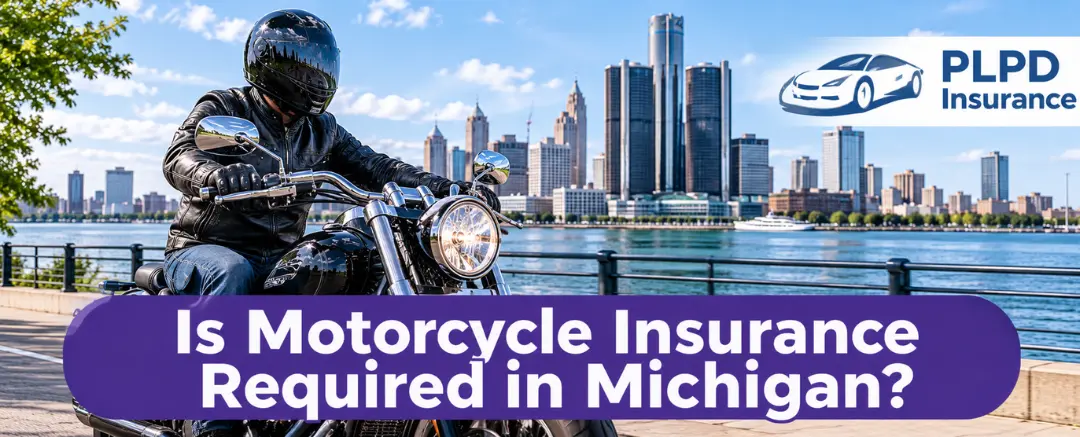
Yes, motorcycle insurance is required in Michigan. State law requires motorcycle owners to maintain liability insurance before riding on public roads. However, motorcycles follow different insurance rules than passenger cars and trucks. Michigan's no-fault insurance requirements do not apply to motorcycles in the same way.
Michigan motorcycle insurance laws require liability coverage for injuries and property damage you may cause to others. Additionally, riders who qualify to ride without helmets must meet specific medical coverage requirements. Optional insurance can also protect your motorcycle against covered theft, collisions, and other unexpected losses.
Understanding these requirements helps you avoid penalties and choose suitable coverage. However, meeting the legal minimum does not guarantee protection against every accident-related expense. This article explains Michigan motorcycle insurance requirements, liability limits, no-fault rules, optional coverage, and insurance costs.
What Are the Minimum Motorcycle Insurance Requirements in Michigan?
Michigan requires motorcycle owners to maintain liability insurance for bodily injury, death, and property damage. According to the Michigan State Police's 2025 crash statistics, Michigan recorded 2,892 motorcycle-involved crashes in 2025. These crashes resulted in 151 motorcyclist fatalities, highlighting the risks riders face on Michigan roads. Therefore, understanding the state's required motorcycle insurance coverage is important before operating a motorcycle.
Under the Michigan Insurance Code, standard bodily injury liability limits are $250,000 per person and $500,000 per accident. However, eligible policyholders may select lower limits of $50,000 per person and $100,000 per accident. Michigan also requires at least $10,000 in property damage liability coverage. These amounts establish the main motorcycle insurance coverage requirements for Michigan riders.
Required liability coverage | Standard limits | Available lower limits |
Bodily injury per person | $250,000 | $50,000 |
Bodily injury per accident | $500,000 | $100,000 |
Property damage per accident | $10,000 | $10,000 |
The standard $250,000/$500,000 bodily injury limits provide greater financial protection than the available lower-limit election. However, choosing lower limits requires following Michigan's applicable election procedures. Therefore, review the available limits before purchasing a motorcycle insurance policy.
Bodily Injury Liability Coverage
Bodily injury liability coverage helps pay when you cause an accident that injures another person. Depending on the claim, covered expenses may include medical bills, lost income, and legal defense costs. However, this protection does not automatically cover your own injuries. Instead, it addresses qualifying claims made by other people.
For example, suppose you cause a collision that injures two people. Their combined claims could exceed the $100,000 per-accident limit under a lower-limit policy. Consequently, you could become personally responsible for damages exceeding your available insurance coverage. Higher liability limits can reduce this financial exposure.
Property Damage Liability Coverage
Property damage liability coverage helps address qualifying claims when you damage someone else's property. Michigan requires at least $10,000 in liability coverage for applicable property damage claims. However, coverage depends on where the accident occurs, the property involved, and Michigan's liability rules. Additionally, this insurance does not automatically cover repairs to your motorcycle.
Suppose you lose control while parking and damage another vehicle. Your liability insurance may help cover eligible repairs, subject to your policy limits. However, you could become responsible for costs exceeding those limits. Therefore, higher coverage limits may provide additional financial protection.
Property damage liability and collision insurance serve different purposes. Liability coverage addresses eligible damage to someone else's property, while collision coverage protects your motorcycle after a covered accident. Therefore, purchasing liability-only insurance leaves your motorcycle without collision protection.
Does Michigan's No-Fault Insurance Law Apply to Motorcycles?
Michigan's No-Fault Law treats motorcycles differently from passenger cars and trucks. Under the Michigan Insurance Code, motorcycles fall outside the definition of motor vehicles for standard no-fault coverage. Therefore, motorcycle owners do not need the same mandatory Personal Injury Protection (PIP) insurance as automobile owners.
However, motorcyclists may still qualify for no-fault benefits after certain accidents. According to Michigan DIFS, eligibility depends partly on whether a qualifying motor vehicle was involved. Additionally, Michigan's insurance priority rules determine which insurer handles an eligible claim.
This distinction matters when comparing motorcycle insurance with auto insurance in Michigan. For motorcyclists, the circumstances of an accident can determine whether automobile PIP benefits are available. Additionally, the applicable insurer may differ from the company providing motorcycle liability coverage. The following situations explain how these rules work.
Accidents Involving a Car or Truck
A motorcyclist injured in an accident involving a qualifying motor vehicle may receive no-fault PIP benefits. These benefits can help cover eligible medical expenses and other losses. However, the responsible insurer depends on Michigan's statutory priority rules.
Under MCL 500.3114, the priority generally follows this order:
- The insurer of the involved motor vehicle's owner or registrant.
- The insurer of the involved motor vehicle's operator.
- The automobile insurer of the motorcycle operator.
- The automobile insurer of the motorcycle's owner or registrant.
For example, suppose a car strikes your motorcycle at an intersection. You may qualify for PIP benefits through an applicable automobile insurer. However, the available medical benefits depend on the policy's selected PIP limits. Therefore, riders should not assume every motorcycle accident provides unlimited medical coverage.
If no applicable PIP coverage exists, the Michigan Assigned Claims Plan may provide benefits to an eligible motorcyclist. However, medical benefits through this plan generally have a $250,000 limit. Additionally, eligibility depends on the circumstances and applicable exclusions.
Accidents Without Another Motor Vehicle
A motorcycle-only accident follows different insurance rules. For example, you might lose control on a slippery road or strike a roadside object. Because no qualifying motor vehicle was involved, automobile no-fault PIP benefits generally do not apply.
Instead, optional motorcycle first-party medical benefits may help pay eligible medical expenses. Your health insurance may also provide coverage, depending on its terms. Additionally, a claim against another responsible party may be possible in certain circumstances.
However, mandatory motorcycle liability insurance does not automatically cover your own medical treatment. Therefore, riders should understand their medical coverage before an accident occurs. Optional medical benefits may provide additional protection when other insurance is unavailable.
What Insurance Is Required to Ride Without a Helmet in Michigan?
Michigan allows certain adult motorcyclists to ride without helmets when they meet specific legal conditions. However, riders must satisfy age, experience, and medical insurance requirements. Otherwise, Michigan law requires an approved motorcycle helmet.
- Under Michigan's motorcycle helmet law, operators must meet these conditions:
- Be at least 21 years old.
- Hold a motorcycle endorsement for at least two years or complete an approved motorcycle safety course.
- Carry at least $20,000 in first-party medical benefits coverage.
- Passengers must also be at least 21 years old to ride without helmets. Additionally, they need at least $20,000 in qualifying first-party medical benefits beyond the operator's required coverage. Therefore, a rider should verify the available passenger medical coverage before traveling together.
- The required first-party medical benefits are separate from motorcycle liability insurance. Additionally, helmet exemptions do not remove other legal requirements, including motorcycle registration and proper licensing. Riders must satisfy all applicable conditions before operating a motorcycle without a helmet.
- For more information about licensing and insurance eligibility, read our guide on getting motorcycle insurance without a license.
What Optional Motorcycle Insurance Coverage Should You Consider?
Michigan requires motorcycle liability insurance, but additional coverage can address other financial risks. For example, mandatory liability insurance does not automatically pay to repair your motorcycle after a collision. Likewise, it generally does not cover theft, vandalism, or your own medical expenses.
Therefore, riders should compare optional motorcycle insurance coverage based on their needs. The following table explains common coverage options and their purposes.
Coverage | What it generally covers | Required by Michigan law? |
First-party medical benefits | Eligible medical expenses after a motorcycle accident | Required for qualifying helmetless riding |
Collision | Motorcycle damage after covered collisions | No |
Comprehensive | Covered theft, vandalism, fire, and weather damage | No |
Uninsured motorist | Eligible injury losses involving uninsured at-fault drivers | No |
Underinsured motorist | Eligible injury losses when at-fault drivers have insufficient coverage | No |
Roadside assistance | Covered towing and emergency roadside services | No |
Gap insurance | Certain outstanding loan balances after a covered total loss | No |
First-party medical benefits deserve particular attention because motorcycles do not carry standard automobile PIP coverage. Michigan insurers must offer these benefits in $5,000 increments, although available limits vary. Additionally, coverage may coordinate with other insurance, depending on the policy. Therefore, review the benefit limits and exclusions before purchasing.
Collision and comprehensive insurance address different causes of motorcycle damage. Collision generally applies to covered crashes, while comprehensive covers specified noncollision events. Both may involve deductibles, so consider the motorcycle's value and potential repair costs. Additionally, lenders may require these protections for financed motorcycles.
Uninsured and underinsured motorist coverage can provide additional protection against eligible injury losses. Meanwhile, roadside assistance and gap insurance address different financial needs. However, availability, limits, and exclusions vary by insurer. Therefore, compare the policy terms rather than assuming every optional benefit works the same way.
What Happens if You Ride a Motorcycle Without Insurance in Michigan?
Riding a motorcycle without required liability insurance can result in legal and financial consequences. Michigan law treats certain violations involving uninsured motorcycles as misdemeanors. Additionally, an uninsured owner may face substantial personal expenses after causing an accident.
Under MCL 500.3102, applicable penalties may include:
- A fine ranging from $200 to $500.
- Up to one year of imprisonment.
- Both a fine and imprisonment, depending on the circumstances.
- However, motorcycle insurance penalties in Michigan extend beyond criminal consequences. For example, an uninsured rider who damages another vehicle may need to pay for repairs personally. Similarly, serious injury claims can create financial obligations far exceeding the cost of insurance.
- Additionally, Michigan law may exclude an uninsured motorcycle owner from certain no-fault PIP benefits. This exclusion can apply when the owner lacked required coverage at the time of an accident. Therefore, failure to maintain liability insurance can affect both financial responsibility and access to benefits.
- Maintaining valid motorcycle insurance helps riders avoid these problems. Moreover, keeping proof of motorcycle insurance accessible can help during registration and traffic stops. Before returning to the road after storage, confirm that your coverage remains active.
How Much Does Motorcycle Insurance Cost in Michigan?
Motorcycle insurance costs in Michigan depend on several factors. Insurers consider your motorcycle, riding history, location, and selected coverage when calculating premiums. Additionally, higher liability limits and optional protections may increase your policy's cost.
Several motorcycle insurance pricing factors can influence premiums:
- Motorcycle type and value: Expensive or high-performance motorcycles may cost more to insure.
- Riding history: Previous accidents, traffic violations, and claims can affect rates.
- Location: Local traffic conditions, theft exposure, and claims experience may influence premiums.
- Coverage limits: Higher liability limits may increase insurance costs.
- Deductibles: Higher deductibles may reduce premiums for certain coverages.
- Riding experience: Some insurers consider experience and motorcycle safety training.
- Discounts: Eligible riders may qualify for bundling, safety courses, or anti-theft discounts.
For example, liability-only motorcycle insurance generally costs less than policies with collision and comprehensive coverage. However, lower premiums may also mean fewer types of losses are covered. Therefore, comparing prices without reviewing coverage limits may lead to unexpected expenses.
For a closer look at pricing factors, read our guide on why motorcycle insurance can be expensive.
How to Choose Motorcycle Insurance in Michigan
Once you understand Michigan's legal requirements, consider how you actually use your motorcycle. Daily commuters may prioritize different protections than occasional recreational riders. Additionally, your motorcycle's age, condition, and financing status can influence which coverage makes sense. Therefore, start by identifying the losses you would struggle to pay yourself.
Next, review each policy's coverage limits, deductibles, exclusions, and payment terms. Check whether medical benefits coordinate with existing health insurance and whether optional coverage includes important restrictions. Additionally, confirm any insurance requirements established by your lender. Comparing these details can reveal meaningful differences between policies with similar premiums.
Finally, consider whether your insurance needs may change during the year. For example, storing a motorcycle for several months may affect which coverage options are useful. However, changes to an active policy should account for registration and financing requirements. When comparing motorcycle insurance in Michigan, focus on protection that matches your circumstances and riding habits.
The Bottom Line: Michigan Motorcycle Insurance Requirements
Michigan motorcycle insurance requirements focus on liability protection for injuries, deaths, and property damage caused to others. Unlike automobiles, motorcycles do not require standard no-fault PIP coverage. However, motorcyclists may qualify for PIP benefits after certain accidents involving motor vehicles. Additionally, eligible helmetless riders must carry the required first-party medical benefits.
Meeting Michigan's insurance requirements is only one part of protecting yourself financially. Optional coverage can address motorcycle damage, theft, and eligible medical expenses that liability insurance does not cover. Therefore, consider your riding circumstances and available protection before selecting a policy. For assistance comparing coverage options, contact PLPD Insurance to discuss motorcycle insurance that fits your needs.
Frequently Asked Questions (FAQs)
Can You Register a Motorcycle Without Insurance in Michigan?
No, Michigan generally requires proof of valid motorcycle liability insurance when registering a motorcycle for road use. However, motorcycles do not need the same standard no-fault coverage required for passenger automobiles. Additionally, owners must provide the necessary registration documents and pay applicable fees. Therefore, confirm your insurance is active before registering or operating your motorcycle.
Do You Need Motorcycle Insurance During Winter in Michigan?
Michigan does not have a separate insurance requirement specifically for winter motorcycle storage. However, required liability coverage must be active whenever you operate your motorcycle on public roads. Some insurers offer seasonal coverage arrangements, although availability and conditions vary. Therefore, review your registration, financing agreement, and policy terms before reducing or canceling coverage.
Does Motorcycle Insurance Cover Passengers in Michigan?
Motorcycle insurance may provide passenger protection depending on the policy and accident circumstances. For example, bodily injury liability coverage may apply to eligible passenger injury claims when the rider is legally responsible. Additionally, passengers injured in accidents involving qualifying motor vehicles may receive no-fault benefits under Michigan's priority rules. However, passengers riding without helmets must also meet the state's age and medical coverage requirements.
Do Out-of-State Riders Need Motorcycle Insurance in Michigan?
Out-of-state motorcycle owners must consider Michigan's insurance requirements when riding within the state. Under Michigan law, nonresident owners face specific requirements when operating motorcycles in Michigan for more than 30 days during a calendar year. However, shorter visits do not automatically remove other applicable insurance obligations. Therefore, verify your existing policy coverage and liability limits before traveling to Michigan.
Are Mopeds and Scooters Subject to the Same Insurance Requirements?
Not necessarily, because Michigan classifies motorcycles, mopeds, and certain scooters differently. Qualifying mopeds follow separate registration and insurance rules from conventional motorcycles. However, a scooter legally classified as a motorcycle must meet the applicable motorcycle insurance requirements. Therefore, confirm your vehicle's classification with the Michigan Secretary of State before purchasing insurance.
References:
1. Michigan Department of Insurance and Financial Services. (2020). Riding a motorcycle in Michigan [Fact sheet]. https://www.michigan.gov/-/media/Project/Websites/autoinsurance/PDFs/FIS-PUB_6180a.pdf
2. Michigan Department of Insurance and Financial Services. (n.d.). Auto insurance reform FAQ. https://www.michigan.gov/difs/industry/insurance/faq/no-fault-faq
3. Michigan Legislature. (n.d.). Michigan Compiled Laws § 500.3114: Persons entitled to personal protection insurance benefits; order of priority. https://legislature.mi.gov/Laws/MCL?objectName=mcl-500-3114
4. Michigan Legislature. (n.d.). Michigan Compiled Laws § 500.3102: Nonresident insurance requirements and penalties for operating without required security. https://legislature.mi.gov/Laws/MCL?objectName=mcl-500-3102
5. Michigan State Police. (n.d.). Motorcycle endorsement and safety FAQs. https://www.michigan.gov/msp/divisions/ohsp/safety-programs/motorcyclist-safety/motorcycle-endorsement-and-safety-faqs
6. Michigan State Police. (n.d.). Traffic crash annual reports and statistics. https://www.michigan.gov/msp/divisions/cjic/traffic-crash-reporting-unit/annual-reports-and-statistics
7. Michigan Department of State. (n.d.). Vehicle tabs and license plates. https://www.michigan.gov/sos/faqs/vehicles/vehicle-tabs-and-license-plates
8. Michigan Legislature. (n.d.). Michigan Compiled Laws § 500.3009: Automobile or motor vehicle liability policy limits. https://legislature.mi.gov/Laws/MCL?objectName=mcl-500-3009
Recent Posts
Do You Need Insurance to Rent a Car in Michigan?
Is Motorcycle Insurance Required in Michigan?

Does Car Insurance Cover Hail Damage?
Categories
Life Insurance

Auto insurance
Insurance
Motorcycle Insurance
Renters Insurance
Homeowners Insurance
RV Insurance
Boat Insurance
Snowmobile Insurance
Follow Us