


 Back
BackCan I Insure a Car Not in My Name?
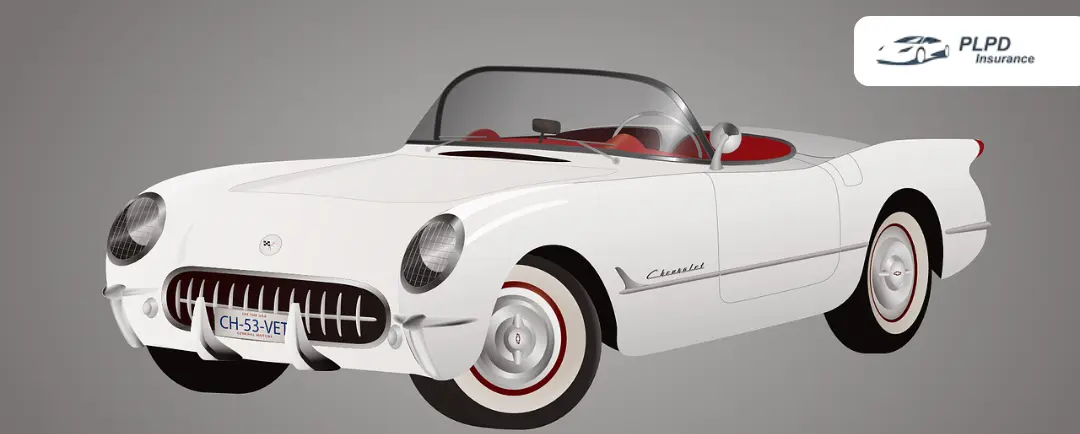
Generally, you cannot insure a car that’s not in your name. This is mainly because insurance companies require the policyholder to have insurable interest, along with care, custody, and control over the vehicle.
However, it’s not impossible to insure a car that you don’t own either. There are exceptions that allow non-vehicle owners, particularly if you live with the car owner, and drive the car frequently.
What is Insurable Interest?
Insurance companies typically require someone with insurable interest to purchase auto insurance. So, what is insurable interest? Simply put, insurable interest means if the car gets damaged then you will have a significant amount of financial loss. This aligns with the National Association of Insurance Commissioners (NAIC), which defines insurable interest as a legal right or financial relationship that would cause a person to suffer a financial loss if the insured property is damaged, lost, or destroyed.
Insurance companies require insurable interest to reduce the risk of fraud and ensure that the person purchasing the policy would actually suffer a financial loss if the vehicle were damaged, stolen, or declared a total loss. Without insurable interest, someone could potentially insure a vehicle they have no connection to and benefit from its loss, which defeats the purpose of insurance.
For example, if you co-own a vehicle, lease it, or regularly use a company vehicle that you're financially responsible for, you may be able to demonstrate insurable interest. On the other hand, simply wanting to insure a friend's car without any financial or legal responsibility for it usually isn't enough for most insurers. Because eligibility requirements vary by insurance company and state, it's always a good idea to confirm your options before purchasing a policy.
Now, the main concern comes down to the point, if you don’t own the car, then why would you have any insurable interest? As you’re not financially responsible to repair the car or finance its replacement.
But if you can prove that you do have insurable interest, for instance if you need the car to travel to work, or if you use it to commute frequently then it does show an extent of insurable interest as you’re dependent on the car.
What Does Care, Custody and Control Mean for Car Insurance?
When purchasing auto insurance, insurers verify insurable interest based on the concepts of care, custody, and control. These factors help insurers assess whether you have a legitimate financial interest in the vehicle, and they play a role in determining your eligibility for coverage. Here's what each term means in this context:
- Care: Who is responsible for maintaining the car, including regular upkeep and repairs.
- Custody: Who physically possesses the car, and where it is stored, such as at their home or business.
- Control: Who has the authority to grant access to the vehicle, including permission for others to drive or use it.
- While care, custody, and control are important factors, they don't automatically qualify someone to insure a vehicle they don't own. Insurance companies evaluate these factors alongside ownership records, household relationships, vehicle usage, and state insurance regulations before determining eligibility.
- For example, if you live with a family member, routinely use their vehicle, help pay for its maintenance, and keep it at your home, an insurer may consider these circumstances when evaluating your application. However, if you only borrow a friend's car occasionally, you may not meet the insurer's requirements for purchasing a separate policy on that vehicle
When is it Possible to Insure a Car That’s Not in Your Name?
While it's more difficult to insure a car that's not in your name, it isn't always impossible. To qualify, you'll generally need to demonstrate insurable interest and meet your insurer's eligibility requirements. Factors such as your relationship to the vehicle owner, how often you drive the vehicle, and how the vehicle is used may all affect whether coverage is available.
The table below provides a quick overview of some of the most common situations where you may be able to obtain coverage for a vehicle you don't own. The sections that follow explain each scenario in more detail.
Situation | Typical Insurance Option |
You co-own the vehicle | Purchase your own auto insurance policy as a co-owner. |
You live with the owner and regularly drive the vehicle | Be added to the owner's insurance policy. |
You frequently borrow vehicles | Consider non-owner car insurance. |
You rent vehicles regularly | Purchase rental coverage or a non-owner policy if you rent often. |
You received the vehicle as a gift | Transfer the title before purchasing your own policy whenever possible. |
You drive a company vehicle | Check whether your employer's commercial auto policy extends to your use of the vehicle. |
You Co-Own the Car
Cars can have co-owners or multiple owners. If you co-own a car with someone in your household, it shows clear insurable interest, as you’re directly a financial stakeholder. So, as a co-owner, you have the right to insure the vehicle. Moreover, you can insure the car under your name, even if another owner is also listed on the title.
Since requirements vary by insurer, both co-owners may need to be listed on the insurance policy or vehicle title. Before purchasing coverage, verify how your insurance company handles jointly owned vehicles to ensure the policy accurately reflects ownership and primary drivers.
You Live in the Same Household with the Policyholder
Whether it’s your family members, spouse, roommates or friends, most insurers require policyholders sharing the same vehicle to live in the same household. This is mainly because it helps insurers evaluate the overall risk factors, and the possibility of insurance claims based on driving history, credit score and insurance claims history.
Living in the same household is important because insurance companies generally consider everyone who regularly has access to the vehicle when evaluating risk. Household members often share vehicles, making it easier for insurers to identify who may drive the car and determine appropriate coverage and premiums.
Also, as the car is kept in the same garage, it helps insurers determine the possibility of unprecedented incidents such as theft, vandalism, fire outbreak, and natural disasters like flood, earthquake and severe storms which could lead to critical vehicle damages, and hefty auto insurance coverage.
You’re Renting a Car
When renting a car, you'll generally need liability coverage. Depending on your state's requirements, this may already be provided through your personal auto insurance policy, the rental company, or another qualifying source.
If your existing coverage isn't sufficient, you can purchase rental car insurance from the rental company. However, before paying for additional coverage, check whether your personal auto insurance policy or even your credit card already provides protection for rental vehicles. In many cases, you may already have collision or comprehensive coverage, although coverage limits and exclusions vary.
Reviewing your existing coverage first can help you avoid paying for duplicate protection while ensuring you have the coverage you need.
You Got the Car as a Gift
Let’s say you get the car as a gift from your parents living in the same household. The car that you have officially received as a gift is titled to one of your parents. So, in this case can you get car insurance?
Yes, you can. So, if you’re a minor living in the same household with your parents, then you can get enlisted as a driver in their auto insurance policy. However, if you’re an adult living in a different household, or somewhere far then you can get your own auto insurance policy.
If ownership of the gifted vehicle is officially transferred into your name, obtaining auto insurance is generally much more straightforward because you become the legal owner. If the title hasn't been transferred yet, your insurance options may depend on the insurer's underwriting requirements and your relationship to the registered owner.
You Have Access to a Company Vehicle from Work
If you have access to a company vehicle from work, it is officially a commercial car which you can use for work-related purposes.Whether a company vehicle is covered for personal use depends on your employer's commercial auto insurance policy. Likewise, whether your personal auto insurance covers business use depends on how the vehicle is being used and the terms of your policy.
If your employer's policy doesn't cover your use of the vehicle and an accident occurs, you could be responsible for some or all of the resulting costs. Moreover, if you’re regularly using the car for your personal reasons, you can get a personal auto insurance policy as you need to pay the company for any vehicle damage while driving the car for personal reasons, which is a direct insurable interest.
So, as you have direct insurable interest, you can get personal auto insurance for a company registered car even if it’s not titled to you.
When it Isn’t Possible to Insure a Car You Don’t Own?
Unless you can prove that you have insurable interest, most insurance companies won’t allow you to insure a car that that's not in your name. Also, if you live in New York, you won’t be able to purchase auto insurance for a vehicle that you don’t own, as it’s a mandatory legal requirement.
Plus, if you can’t prove that you drive the car frequently, or you need it on a regular basis portraying some sort of financial stake and high dependency there’s a high chance that the insurer will identify it as lack of insurable interest. Not to mention, if you drive the car rarely that substantially lowers your eligibility of insuring a car you don’t own.
So, in a nutshell, it won’t be possible to insure a car you don’t own when:
- There’s lack of insurable interest.
- You live in a state where it’s mandatory to own a car to get it insured; such as New York.
- You rarely drive the car.
How to Insure a Car Not in My Name?
If you don't own the vehicle, obtaining coverage can be more challenging. However, depending on your circumstances, there are several ways you may still qualify for auto insurance. So, if you want to insure a car that’s not in your name, here are some tips to secure insurance coverage more easily.
Obtain a Co-Title for the Car
By obtaining a co-title, it means you also own the car which also means you now have insurable interest. To obtain a co-title for the car, you will need to head over the DMV along with the primary owner of the car.
You both will need to fill up co-title ownership forms and submit it to register the car in your name as well. Once that’s done, and the moment you officially become a co-owner of the car, you can easily get the car insured.
Get Non-Owner Car Insurance
If you’re renting a car or borrowing one, it is crucial to stay insured especially to safeguard yourself financially and to stay legally compliant. Most of the states in the U.S. legally require you to have car insurance.
So, to secure yourself financially, and to comply with the auto insurance laws in your state, you should consider getting the non-owner car insurance.
The non-owner car insurance has been specifically designed to financially protect policyholders who either drive someone else’s car or a rented car. But the downside is, the non-owner car insurance policy only includes auto liability insurance.
What Does Non-Owner Car Insurance Cover?
A non-owner car insurance policy primarily provides liability coverage when you drive a vehicle you don't own. Depending on your state and insurer, it may also include uninsured or underinsured motorist coverage, medical payments (MedPay), or personal injury protection (PIP). However, it generally doesn't provide comprehensive or collision coverage for the vehicle you're driving because the owner's insurance is typically the primary policy.
Usually Covered | Usually Not Covered |
Bodily injury liability | Collision damage to the borrowed vehicle |
Property damage liability | Comprehensive coverage |
Uninsured/underinsured motorist coverage (varies) | Rental reimbursement |
Medical payments or PIP (varies) | Personal belongings inside the vehicle |
Who Should Consider Non-Owner Car Insurance?
Non-owner car insurance isn't necessary for everyone. However, it may be a practical option if you:
- Frequently borrow vehicles from friends or relatives. Commonly operate vehicles you don't own, including rental cars. Don't currently own a vehicle but want to maintain continuous insurance coverage.
- Need liability coverage even though you don't have a car registered in your name.
If you already live with the vehicle owner and regularly drive the same car, being added to the owner's policy is often a better option than purchasing a separate non-owner policy.
Join the Same Insurance Policy as Someone in Your Household
If you’re under 18, and if you drive your parents’ car then the most feasible option is to join the same insurance policy with you parent or someone from your household.
Typically, car insurance is very expensive for the youngest drivers, and it’s also difficult for teenagers and young adults between the ages of 16 to 18 to get their own auto insurance policy.
If you regularly drive a vehicle owned by someone in your household, being added to their existing policy is often simpler and more affordable than purchasing a separate policy. Your insurer can determine whether you qualify based on your relationship to the owner and how frequently you drive the vehicle.
Opt for Supplemental Spouse Auto Insurance (if you’re married)
Similarly, if you’re married, you can opt the supplemental spouse auto insurance. For instance, if your spouse owns the car, and you drive it every now and then, you can consider getting spouse auto insurance coverage. In this way, you both will get discounts, along with other enticing offers.
Is it Possible to Insure a Car You Don’t Own in Michigan?
Michigan allows drivers to purchase non-owner car insurance even if they don't own a vehicle, provided they meet the insurer's eligibility requirements. This type of policy is generally intended for people who regularly borrow or rent vehicles and need liability coverage without owning a car.
It's important to note that non-owner car insurance and an SR-22 are not the same thing. A non-owner policy is an insurance policy, while an SR-22 is a certificate of financial responsibility that some drivers may be required to file with the state after certain driving violations. If an SR-22 filing is required and you don't own a vehicle, your insurer may attach it to a non-owner policy.
Like most non-owner policies, coverage in Michigan typically includes liability protection and may also include other coverages required by state law, depending on the insurer and policy. However, it generally does not include collision or comprehensive coverage for the vehicle you're driving.
If you're interested in purchasing car insurance as a non-vehicle owner in Michigan, it's important to compare your coverage options and work with a trusted auto insurance agency that can help you find a policy that fits your needs and budget. You can also visit one of our regional offices in Flint, Saginaw, or Mt Pleasant for personalized assistance.
Can I Add My Insurance to My Son's Car?
Yes, you can add your son in your auto insurance policy by enlisting him as a driver there. If your son’s age is between 16 and 18, the cost of auto insurance can be among the highest.
So, that’s why it’s best to add your son’s car to your auto insurance policy. Although you will have to pay a significantly much higher auto insurance premium, it will still be much cheaper than your 16-to-18-year son to acquire auto insurance on his own.
On the other hand, if your son is above 18 with a stable income you can still add him in your policy if your son lives in the same household and frequently drives your car.
Rely on Permissive Use
If you only borrow someone else's vehicle occasionally, permissive use may allow you to drive the vehicle under the owner's existing auto insurance policy. For example, if you're borrowing your parent's, spouse's, or another family member's car with their permission, you may already have coverage through their policy.
However, permissive use doesn't apply in every situation, and coverage varies by insurance company and state. Before driving someone else's vehicle, confirm that you're properly covered and that you're not listed as an excluded driver.
You may not need your own separate auto insurance policy if:
- You only borrow the vehicle occasionally with the owner's permission. You're already listed as a driver on the owner's insurance policy.
- You live in the same household and are covered under a shared household policy. Your employer's commercial auto insurance covers your authorized use of a company vehicle.
- Your rental vehicle is already covered by your personal auto insurance policy or another eligible source of coverage.
Even if you don't need your own policy, it's still important to verify your coverage before driving someone else's vehicle. Coverage limits, excluded drivers, and permissive use rules vary by insurer and state. If you regularly drive a vehicle you don't own, purchasing your own policy or being added to the owner's policy may provide more reliable protection
Consequences of Insuring a Car Not in Your Name
Although it’s essential to have car insurance even when you drive a car that you don’t own, there are potential drawbacks to insuring a car that isn’t in your name, which includes the following.
Claim Denial: Your insurer may decline your claim if they find reasons for lack of insurable interests. This could get you caught up in financial hassles which you may need to pay out of pocket.
Possible Insurance Fraud Accusations: There have been several cases of insurance fraud by adding policyholders who don’t have a car, especially to get auto insurance at a cheaper rate. If your insurer suspects any sort of fraudulence, then it can lead to issues such as claim denials, policy cancellation and even legal consequences.
Higher Insurance Cost: Insurance companies typically charge non-vehicle owners more than the standard rate. So, purchasing insurance for a car that’s not in your name can lead to significantly much higher premiums.
The Bottom Line
Regardless of the challenges, and difficulties there are ways to insure a car that’s not in your name. But before doing so, you should carefully evaluate whether it’s necessary. If you drive the car frequently, and if you need it on a regular basis only then you should consider insuring a car that you don’t own.
On the other hand, if it’s a rented car then you can either get car rental insurance, or you can get a standard auto insurance policy. Before making a decision make sure you properly weigh the pros and cons.
If you need expert opinion of our auto insurance specialists, you can contact us and one of our insurance experts will call you soon. If you’re interested to purchase auto insurance for a car that’s not in your name, we can provide you with a free quote.
FAQ
Can you insure a car you don't own?
Yes, you can insure a car you don’t own but you will have to prove that you have insurable interest in the car. If you can effectively demonstrate financial stake in the car then most insurers will consider you eligible. However, if you can’t then insurers may be hesitant to insure you.
Does the owner of a car have to be on the insurance?
In most cases, yes. Insurance companies generally expect the vehicle owner to be listed on the policy because they have an insurable interest in the vehicle. Registration and insurance requirements vary by state.
Does it matter whose name is on the car for purchasing insurance?
Yes, insurance companies typically validate insurable interest and financial stake based on the name of the registered car owner.
How do I insure a car that isn't mine?
To insure a car that isn't yours, you'll generally need to establish an insurable interest in the vehicle. Depending on your situation, you may be able to become a co-owner, purchase non-owner car insurance, or be added to the owner's policy.
Recent Posts
How Does Car Insurance Work After a Hit-and-Run in Michigan?
Are Older Cars Cheaper to Insure?

How to File a Renters Insurance Claim?
Categories
Life Insurance

Auto insurance
Insurance
Motorcycle Insurance
Renters Insurance
Homeowners Insurance
RV Insurance
Boat Insurance
Snowmobile Insurance
Follow Us