


 Back
BackDoes Car Insurance Cover the Car or the Driver?
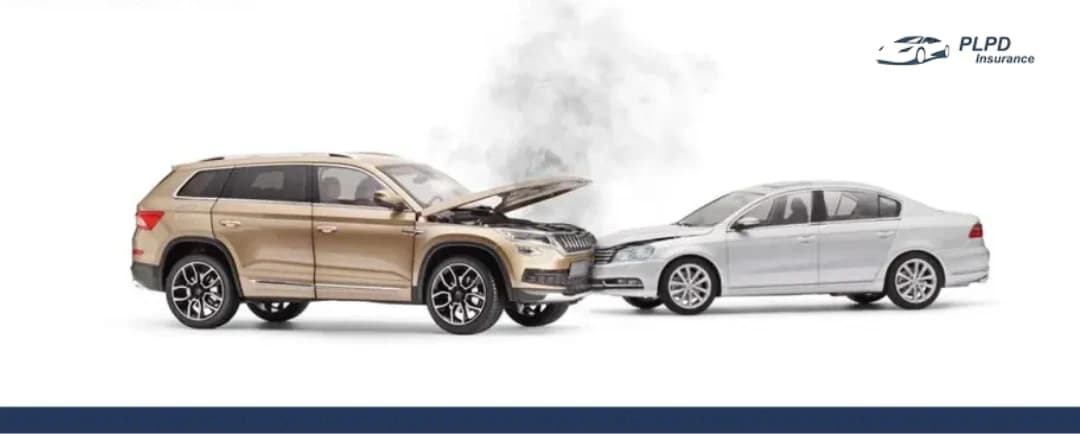
It can get quite confusing to tell whether auto insurance follows the car or the driver, especially because both the car and the driver are registered while purchasing the auto insurance. So, does that mean auto insurance follows both the car and the driver?
In many situations, auto insurance follows the insured vehicle, but it isn't a universal rule. Whether coverage follows the car or the driver depends on the type of coverage, who is driving, the circumstances of the accident, state law, and the terms of the policy.
Now, if you drive someone else’s car, do you get covered by your own auto insurance policy, or is it covered by their policy? Also, what happens when someone else borrows your vehicle? Does your auto insurance cover them?
Well, to answer these questions, this article provides an in-depth discussion. The answer here is not entirely straightforward, there are conditions, and various other factors that particularly determine whether your auto insurance follows the car or the driver.
How Auto Insurance Coverage Works
Most of the auto insurance coverage is designed to financially protect the car. Typically, by default it is the car that’s being covered. However, there are conditions, and circumstances that may extend coverage to the driver as well.
So, that’s why it’s important to precisely know when the car insurance follows the car, and when the car insurance follows the driver as it can widely vary based on multiple factors, and your insurance policy’s terms and conditions.
If you’re looking for an affordable insurance agency in Michigan, you should consider checking PLPD Insurance. We have regional offices in 3 prominent locations which include Flint MI, Saginaw MI, and MT Pleasant MI.
When Does Auto Insurance Cover the Car?
Most auto insurance coverages are tied to the insured vehicle rather than the person driving it. While each type of coverage protects against different risks, they generally remain attached to the vehicle listed on the policy. Here's how the most common coverages work.
- Liability Insurance Coverage: Whether you’re driving the car, or if it’s someone driving your car under permissive use, and if there’s an accident in which either you are responsible for the accident, then the liability insurance will cover the other driver who may have sustained bodily injuries along with vehicle repairs and property damage. So, this means the liability insurance coverage typically follows the car, not the driver itself.
- Collision Insurance Coverage: Collision insurance coverage is designed to financially cover your car when it accidentally collides with another vehicle regardless of whoever is at-fault for the accident. Even if another vehicle hits your car and, damages, it while it’s parked collision insurance will cover that too. So, collision insurance is designed to cover the car as it only pays for the vehicle’s repair and replacement costs.
- Comprehensive Insurance Coverage: Comprehensive insurance is designed to financially protect your car from unprecedented incidents such as theft, vandalism, severe weather conditions, fire hazard, and more. This insurance policy typically covers vehicle damages that are beyond your control. So, for this coverage the driver is not relevant, as the car could be parked somewhere while the accident occurs. Even comprehensive insurance coverage follows the car not the driver.
Liability, collision, and comprehensive are commonly included when people refer to broader or full coverage, but other types of auto insurance protection can work differently. These may include uninsured/underinsured motorist coverage, medical payments coverage (MedPay), personal injury protection (PIP), gap insurance, and other optional coverages.
For example, Michigan Personal Injury Protection (PIP) provides benefits for eligible expenses when a covered person is injured in an auto accident, while collision and comprehensive coverage primarily protect the insured vehicle against covered physical damage. Because each coverage serves a different purpose, whether insurance follows the car or the person cannot be determined by one rule alone.
When Does Auto Insurance Cover the Driver?
Some auto insurance coverages can protect the insured person rather than being limited to damage involving a specific insured vehicle. Personal Injury Protection (PIP), for example, can provide eligible benefits when a covered person is injured in an auto accident, subject to Michigan law and the policy's terms.
Coverage may also extend when you temporarily drive a vehicle you don't own, including certain rental or borrowed vehicles. However, how your own policy applies depends on the coverage involved, the vehicle you're driving, and your policy terms. This is why auto insurance cannot always be classified as following only the car or only the driver.
Will Auto Insurance Cover Another Person Who Borrows and Drives My Car?
According to the Insurance Information Institute (III), auto insurance generally follows the insured vehicle rather than the driver. So, whether another person is covered while driving your car depends on your policy. If they are listed on your auto insurance policy, they are typically covered. If they're not listed, they generally need your permission to drive your car, which typically falls under the permissive use provision. Coverage may still vary based on your policy terms and applicable state laws.
Permissive Driver
A permissive driver is someone who has permission to drive your car. If that person is involved in an accident while driving your vehicle, your auto insurance may provide coverage depending on the type of coverage involved, the driver's relationship to you, the circumstances of the accident, and the terms and exclusions of your policy.
Permissive-use coverage can vary by insurer and policy. Factors such as how often the person drives the vehicle, whether they live in your household, whether they are listed or excluded from the policy, and the reason they are using the vehicle may affect coverage. Check your policy or contact your insurer before regularly allowing someone else to use your vehicle..
Non-Permissive and Excluded Driver
A non-permissive driver is someone who uses your vehicle without your permission, while an excluded driver is someone specifically excluded from coverage under the terms of the policy. These are different situations, and how a claim is handled can depend on the circumstances, policy language, and applicable state law.
If someone is specifically listed as an excluded driver, coverage may be denied when that person operates the vehicle. For someone who takes your vehicle without permission, coverage can also depend on the circumstances and the types of coverage involved. Review your policy's driver exclusions and permissive-use provisions to understand how these situations are handled.
What Happens if an Uninsured Driver Borrows My Car?
As car insurance generally follows the car and not the driver, if the uninsured driver has your consent to drive your car and if they get into an accident, then it should be covered by your auto insurance policy.
However, if there are conditions in your auto insurance agreement clearly specifying that any uninsured driver will not be covered by your auto insurance policy, in that case the uninsured driver will most likely have to compensate for the damages out of their own pocket.
So, that’s why it’s always best to be careful. Read the terms and conditions of your auto insurance policy, and yet if you’re not sure, you can always call your insurance company and confirm whether they provide coverage for uninsured drivers based on the permissive use criteria.
What Happens if Both Drivers Have Auto Insurance?
If both the vehicle owner and the person borrowing the car have their own auto insurance policies, the two policies don't usually share equal responsibility. In most cases, the vehicle owner's insurance serves as the primary coverage, meaning it responds to a covered claim first. If the damages exceed the owner's policy limits, the borrower's auto insurance may provide secondary (or excess) coverage, depending on the terms of their policy.
For example, if you lend your car to a friend who causes an accident, your liability coverage would generally pay first up to your policy limits. If the total cost of the claim is higher than your available coverage, your friend's insurance may help pay the remaining covered expenses. Because every policy is different, it's important to review your coverage and understand how multiple insurance policies may work together before lending your vehicle.
If you're wondering whether more than one policy can cover the same vehicle, read our guide on having two auto insurance policies on one car to understand when multiple policies may apply.
What Happens if I Borrow Someone Else's Car?
Borrowing someone else's vehicle generally works differently than lending your own. Since auto insurance typically follows the insured vehicle, the owner's policy is usually the first to respond if you're involved in a covered accident while driving their car with permission. This means the owner's liability, collision, or comprehensive coverage may apply based on the circumstances of the claim and the coverages included in their policy.
If the damages exceed the owner's policy limits or certain expenses aren't fully covered, your own auto insurance may provide secondary coverage if your policy includes applicable protection. Before borrowing a vehicle, it's always a good idea to confirm that you have the owner's permission and understand how both insurance policies may apply. Taking a few minutes to review your coverage can help prevent unexpected out-of-pocket expenses after an accident.
If an accident does occur, read our guide on the auto insurance claim process to understand the typical steps involved in filing and handling a claim.
Are Household Members Covered or Do They Need to Be Listed on Your Policy?
Household members are often covered when they occasionally drive your vehicle with your permission. However, many insurance companies expect anyone who regularly drives your car, especially those living in your household, to be listed on the policy. Because requirements vary by insurer, reviewing your policy can help prevent coverage gaps or claim issues later.
If you're married, you may also want to consider supplemental spouse auto insurance, for additional protection in certain situations. This coverage is separate from multi-driver or bundling discounts, so review your policy or speak with your insurer to understand how it applies.
Because coverage requirements vary by insurer, it's important to review your policy to determine whether household members need to be listed. If someone in your household regularly drives your vehicle, adding them to your policy can help reduce the risk of coverage disputes or claim complications.
Why You Should List Regular Drivers on Your Policy
Even though auto insurance may cover someone who occasionally borrows your car with your permission, that doesn't necessarily mean everyone who regularly drives your vehicle is automatically covered. Many insurance companies require all household members or frequent drivers to be listed on the policy because they represent an ongoing insurance risk.
You should consider adding someone to your auto insurance policy if they:
- Live in your household and regularly drive your vehicle
- Frequently borrow your car for work, school, or personal errands
- Share driving responsibilities with you on a regular basis
- Have consistent access to your vehicle
Keeping your policy up to date can help reduce the risk of claim disputes and ensure everyone who regularly uses your vehicle has the appropriate coverage. If you're unsure whether someone should be listed, check with your insurance provider to understand their specific requirements.
Tip: Insurance requirements can vary by insurer and state. If a household member or regular driver isn't listed on your policy when required, it could affect how a future claim is handled.
If your child regularly drives a family vehicle or has a vehicle of their own, you may also need to consider how they should be insured. Read our guide on adding your insurance to your son's car to understand how coverage may work.
Common Situations Where Auto Insurance Follows the Car or the Driver
While auto insurance generally follows the insured vehicle, every situation is unique. The table below shows how coverage typically applies in common scenarios. Keep in mind that actual coverage depends on your policy, insurer, and state laws.
The vehicle owner's insurance typically responds first.
| Situation |
Coverage Usually Applies Through | |
| You lend your car to a friend with permission |
Your auto insurance is generally the primary coverage. | |
| You borrow a friend's car with permission | ||
| An uninsured driver borrows your car with permission |
The owner's policy is usually primary, while the borrower's policy may provide secondary coverage if needed. | |
| Someone drives your car without your permission |
Your policy may still provide coverage, subject to your policy terms and exclusions. | |
| An excluded driver operates your vehicle |
Coverage may be denied, depending on the circumstances and your policy. | |
| You rent a vehicle |
Although these are common situations, there isn't a one-size-fits-all answer. Policy language, coverage limits, exclusions, and Michigan insurance laws can all affect how a claim is handled. Before lending your vehicle or borrowing someone else's, review your policy or speak with your insurance provider to understand how your coverage applies.
Final Remark: Does Auto Insurance Follow the Car or the Driver?
Auto insurance often follows the insured vehicle, particularly when it comes to liability and physical damage coverage, but that isn't a universal rule. Some coverages can apply to the insured person, and coverage for borrowed vehicles, permissive drivers, household members, and rental cars depends on the policy and circumstances.
Because coverage can vary by insurer, policy, and state law, review your policy or confirm with your insurance provider before lending your vehicle or relying on your own policy while driving someone else's car.
If you’re still confused, and would like to ensure, you can contact us and consult with one of our insurance experts. We will be happy to guide you, and if you’re interested, we can even recommend the best auto insurance coverage at the most affordable range within your budget.
Frequently Asked Questions (FAQs)
Does auto insurance follow the car or driver?
Typically, auto insurance follows the car as most auto insurance coverages are designed to cover the car not the driver. However, there are exceptions particularly based on the actual terms and conditions of your auto insurance policy. But in general, the main exception applies when you rent a vehicle or use one from a car-sharing agency.
Can someone drive my car if they are not on my insurance?
Someone who isn't listed on your auto insurance policy may be covered when occasionally driving your vehicle with permission, but coverage depends on your policy. Household members and people who regularly drive your vehicle may need to be listed on the policy.
What happens if my friend is driving my car and gets in an accident?
If your friend had your consent to drive your car, and then if they get into an accident, your auto insurance policy should cover any liability compensation, medical costs, vehicle repair expenses, and property damage maintenance costs.
Can my wife drive and get coverage for my car if she's not on my insurance?
Your spouse may be covered when driving your car, but you shouldn't assume permissive use automatically applies. If your spouse lives with you or regularly drives your vehicle, your insurer may require them to be listed on the policy. Check your policy or contact your insurer to confirm how coverage applies.
Recent Posts
How Does Car Insurance Work After a Hit-and-Run in Michigan?
Are Older Cars Cheaper to Insure?

How to File a Renters Insurance Claim?
Categories
Life Insurance

Auto insurance
Insurance
Motorcycle Insurance
Renters Insurance
Homeowners Insurance
RV Insurance
Boat Insurance
Snowmobile Insurance
Follow Us